
To sit before a decaying body is not a practice many would willingly choose. It seems strange, even disturbing, to place oneself before the slow unraveling of human flesh. Yet in certain traditions, monks were instructed to do precisely this. They were told to look directly at death, not as a symbol, but as a living process of decay. The purpose was not to shock for its own sake, but to awaken a sober recognition of reality. The body, no matter how strong or beautiful, carries within itself the seeds of its own collapse.
This practice reveals what is often hidden. In ordinary life, we are shielded from death. We wash and perfume ourselves, we create systems to hide away the sick and the dying, we preserve images of vitality. But reality will not bend to such efforts. To meditate on a corpse is to be confronted with the simple truth: all flesh ends. No wealth or status can prevent it, no effort can delay it indefinitely. This realization is not meant to depress but to liberate. If everything passes, then the anxieties about holding on to things begin to loosen their grip.
There is also something deeply honest about such a practice. Many fears grow larger in the shadows of avoidance. By facing directly what we try to avoid, the fear loses some of its power. In the stillness of watching decay, one learns to see beyond the body’s temporary form. Impermanence becomes not an abstract word, but a lived reality. To live with that awareness is to carry a clarity that most people spend their lives resisting.
Beneath the Skin, All the Same
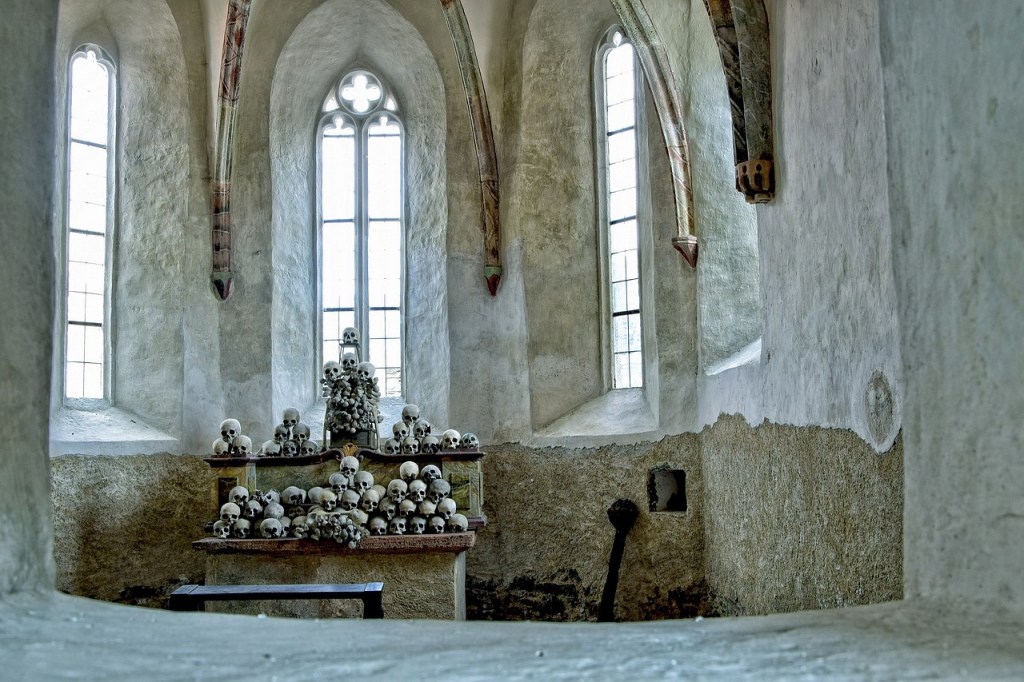
If the corpse meditation reminds us of impermanence, the contemplation of the skeleton pushes us toward equality. A skeleton has no markers of status. It does not show nationality, religion, wealth, or beauty. One cannot tell from bones whether the person was admired or despised, whether they won great honors or lived in obscurity. All the elaborate differences we attach to human life dissolve when only bone remains.
This practice challenges one of the most persistent illusions: the idea that identity is something absolute. We spend years shaping and defending our sense of self. We say we are this or that, a member of one group, a believer of one faith, a bearer of one title. We fight to protect these identities and often suffer when they are threatened. Yet the skeleton whispers that all of this is temporary, and much of it is superficial. What is beneath the skin is not unique to one individual, but shared by all.
To ask “Who am I?” in the presence of a skeleton is to discover a different kind of answer. The question no longer rests on comparisons. It does not rest on external attributes. It points instead to the bare fact of existence, the sheer reality of being alive, which cannot be owned or ranked. The skeleton teaches that beneath all distinctions, there is a ground of sameness that connects every person.
The Burden of Identification
It is true that identities have their place. They help us live in society, define responsibilities, and inspire achievements. A worker takes pride in their skill, a parent in their care, a citizen in their duties. These forms of identification can encourage discipline and motivation. Yet they also create burdens. The more tightly one clings to identity, the heavier the weight becomes.
This is especially visible at the end of a career. Retirement often strips away the structures that once defined a person. For some, this is a moment of relief. They no longer need to perform or measure themselves against the expectations of others. They are freed from comparison, and they discover a new gentleness in life. For others, however, the loss is unbearable. Without the title, the role, the recognition, they feel like nobody. What once gave meaning now reveals its fragility.
These experiences show that identities, while useful, are not ultimate. They are like clothing, necessary for certain contexts but not the essence of the self. When identities are mistaken for essence, they bring suffering. When they are seen as temporary skins, they can be worn lightly. The corpse and the skeleton expose this truth by stripping identity back to its most fragile form.
Spiritual Pride as Another Mask
The Christian tradition offers a parallel insight, though it takes a different path. Here the danger is not only worldly pride, but also spiritual pride. A person may begin to measure themselves by their devotion, their strength of faith, or their closeness to God. These are noble qualities, but when turned into identity, they become traps. To say “I am a strong believer” or “I am closer to God than others” is to step into the same circle of comparison that haunts worldly pursuits.
True faith, however, is naked. It does not lean on achievement, nor does it worry about measurement. The nearness to God is not something humans can quantify. From God’s perspective, all stand equally near. The differences we perceive are part of our limited view. The Christian mystics often warned that spiritual pride is the last and most subtle temptation, harder to notice than pride in wealth or power.
This mirrors the Buddhist concern with identity. Just as worldly attributes dissolve before the skeleton, so too spiritual attributes dissolve before the recognition of grace. The awareness that faith itself can become a mask brings humility. It calls for letting go, not only of worldly pretensions, but even of spiritual competition.
The Cross as the Ultimate Contemplation
The image of the Cross brings these insights together with a unique intensity. To pray before the Cross is to place oneself before the ultimate stripping away. On the Cross, Christ is exposed in vulnerability, abandoned, humiliated, stripped of dignity and recognition. Whatever worldly attributes one could cling to are gone. There is only suffering, weakness, and the stark reality of death.
Yet in this very place, Christians believe, God is most fully present. The Cross reveals that true identity is not built on strength, success, or recognition. It is revealed in the act of surrender, in the letting go of all defenses. To pray before the Cross is to contemplate the end of human pride, both worldly and spiritual. It is to see that the path to God does not run through comparison or achievement, but through surrender and grace.
Just as the skeleton shows equality beneath differences, the Cross shows equality before God. The powerful and the weak, the successful and the forgotten, the faithful and the wavering, all stand before the same mystery. The Cross silences ranking, because it speaks of a love that is beyond measure. In its shadow, there is no nearer or farther, only the reality that each person is seen fully by God.
Beyond Comparison
What then remains when all masks fall away? For the Buddhist, what remains is awareness itself, the capacity to see without clinging. For the Christian, what remains is grace, the unearned presence of God that holds each person equally. In both cases, the dissolution of comparison brings freedom.
Human life is often consumed by ranking. We compare wealth, intelligence, beauty, and influence. We compare even in spiritual matters. Yet the deepest insight of both corpse meditation and the Cross is that such comparisons are illusory. They do not touch the essence of life. They belong to the level of skins and roles, not to the depth of existence.
When comparison falls away, a new clarity emerges. One is no longer anxious about being more or less, nearer or farther. One can live with a lighter heart, recognizing that value is not earned but given. This is not passivity, but liberation. It allows a person to act without the burden of proving worth, and to love without the fear of insufficiency.
Toward a Life Beyond Masks
If identities are like clothing, then the challenge is to wear them without mistaking them for the body itself. A role can be lived fully, but it should not become a prison. Work can be embraced, but it should not become the definition of self. Even faith can be practiced deeply, but without turning it into a measure against others.
This perspective changes how one approaches daily life. In work, it means striving without being enslaved to recognition. In relationships, it means loving without needing to dominate or compare. In aging, it means accepting change without fear of losing essence. The awareness that identities are temporary skins allows one to live with humility and gentleness.
There is a paradox at play. By letting go of the self built on comparison, one actually becomes more alive. Life no longer revolves around defending a fragile image. It opens into presence, into the capacity to see and to be seen without masks. This is the gift offered by the corpse, the skeleton, and the Cross.
Equal in Death, Equal in Grace
The corpse shows the end of worldly pride. The skeleton shows the equality of human beings beneath all differences. The Cross shows the nearness of God in vulnerability and surrender. Together they point toward the same truth: identity built on comparison is superficial.
Human fragility is not something to escape, but something to face. When faced honestly, it becomes a doorway to depth. Death and equality are not enemies of life, but teachers of how to live. The Cross and the skeleton do not diminish the self, but free it from illusions.
To let go of comparison is not to lose meaning, but to rediscover what is already present. In the silence beyond measurement, one finds awareness or grace. One discovers that the deepest truths of life do not depend on roles or achievements. They are given freely, equally, to all.
In this recognition, life becomes lighter. Work, love, and faith can be lived fully, without the burden of proving worth. To stand before the corpse, the skeleton, or the Cross is to remember: we are equal in death, and we are equal in grace.
Image by Etivari
 Tom’s Blog