
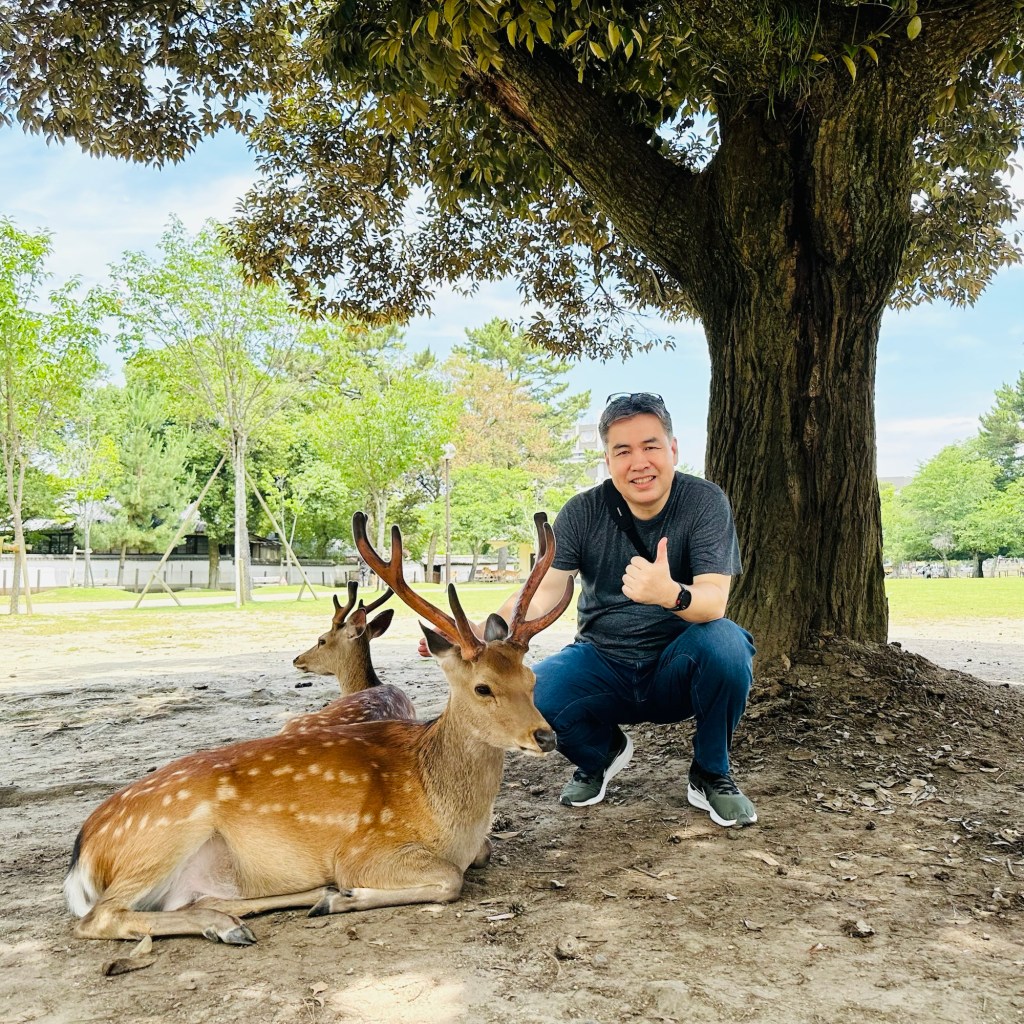
If you’ve ever lived far from home, you’ll understand how the memories of that place can take on a life of their own. For me, Nara—my hometown—feels like that. I don’t get to visit often, maybe less than a few times a year, but it’s always on my mind. The Japanese poet Saisei Murō put it best:
ふるさとは遠きにありて思ふもの (One’s hometown is a thing to think of from afar.)
Nara isn’t just a place I grew up in—it’s a part of who I am. Every visit feels like reconnecting with an old friend, someone whose essence hasn’t changed even as the world around them has. The temples, the free-roaming deer, the quiet streets—all of it feels like stepping back into a gentler, simpler time.
But Nara isn’t just personal for me. It’s a city steeped in history and culture, and over the years, it’s become one of Japan’s must-visit destinations. People from around the world flock to its ancient sites and lush parks. And yet, amid this rising popularity, Nara still holds onto its serene and spiritual core—a balance that feels almost miraculous.
Nara: Japan’s First Capital
Did you know Nara was Japan’s first permanent capital? From 710 to 794, during the Nara Period, it was the political and cultural heart of the nation. Those 84 years laid the foundation for much of what we now think of as classical Japanese culture—Buddhist art, architecture, and even the country’s first written histories.
Today, walking through Nara feels like stepping into a living museum. You’re surrounded by temples and shrines that have stood for centuries, each telling its own story. Places like Kōfuku-ji Temple and Tōdai-ji Temple aren’t just historical landmarks—they’re active centers of worship, seamlessly connecting the past to the present.
While Kyoto may have taken over as the capital and held the title for centuries, Nara is where it all began. It’s the birthplace of so many traditions that continue to shape Japan’s identity today. And unlike the hustle and bustle of larger cities, Nara offers a peaceful rhythm that makes its history feel alive and accessible.
A City Where Deer Roam Free
One of Nara’s most iconic features is its deer. Yes, you read that right—deer roam freely through Nara Park and beyond. These gentle creatures aren’t just adorable; they’re also deeply tied to the city’s spiritual roots. In Shinto belief, deer are considered messengers of the gods, and in Nara, they’re treated with care and respect.
Interacting with these deer is one of the highlights of visiting Nara. For a small fee, you can buy special rice crackers to feed them, and they’ll bow their heads in thanks—an endearing gesture that has become a hallmark of the city. It’s a simple but magical experience that bridges the gap between humans and nature.
That said, Nara’s growing popularity among tourists has its challenges. Over-tourism can sometimes disrupt the delicate balance between the deer, the locals, and the visitors. To truly appreciate Nara’s charm, I recommend visiting on weekdays, when the crowds are thinner. It’s quieter, more serene, and allows you to experience the city’s unique atmosphere in its purest form.
Finding Peace Through Walking
When I return to Nara, I have a ritual that I make time for whenever I can. I call it walking meditation. It’s not just a walk—it’s a way to reconnect with Nara’s soul and with myself.
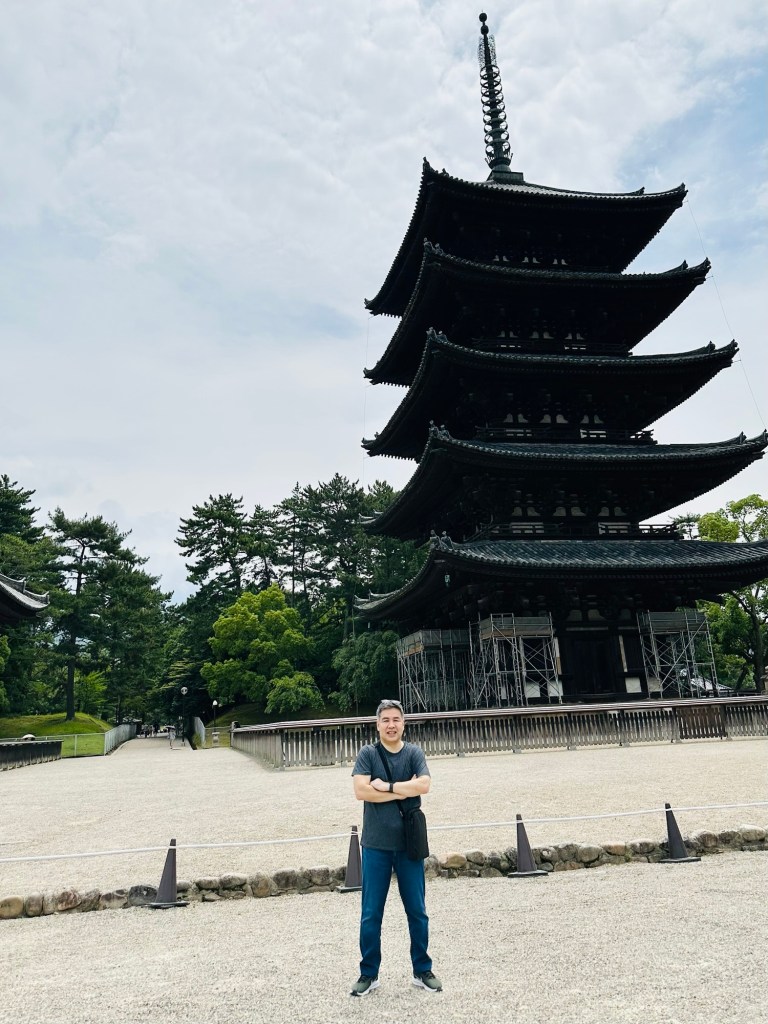
My journey begins in the late afternoon, when the sun begins to dip, casting a golden glow over the city. I start in Nara Park, where the deer set the tone with their calm and curious presence. From there, I head to Kōfuku-ji Temple, one of the city’s most important Buddhist sites. Its five-story pagoda is a stunning sight, and the temple grounds have a quiet energy that makes you want to slow down and reflect.
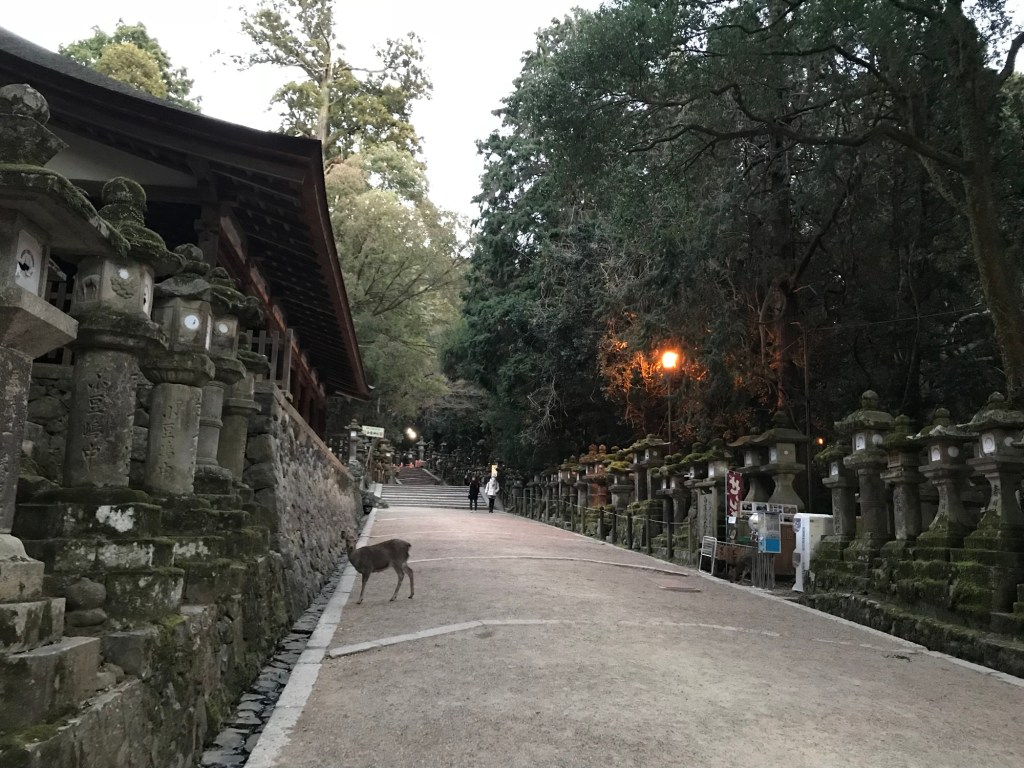
The walk continues along a forested path that leads to Kasuga Taisha Shrine, a Shinto landmark surrounded by thousands of stone and bronze lanterns. These lanterns, often moss-covered and ancient, feel like silent witnesses to centuries of devotion. The shrine itself exudes a sacred, almost otherworldly atmosphere that’s deeply tied to nature.
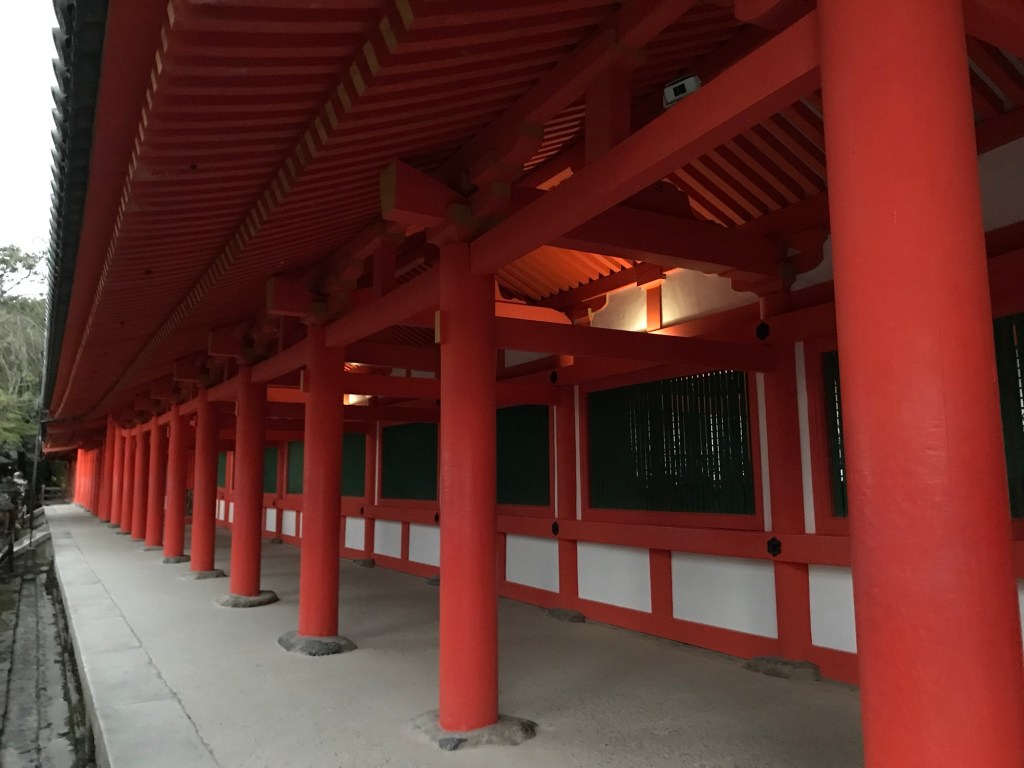
As twilight begins to fall, I ascend Mount Wakakusa, where the view becomes even more poetic under the dimming sky. From here, I visit Nigatsu-dō, a sub-temple of Tōdai-ji, where the view of Nara city at sunset is nothing short of breathtaking. Standing at the temple’s main hall, watching the city lights slowly come alive, I feel deeply connected to the spirit of the city.
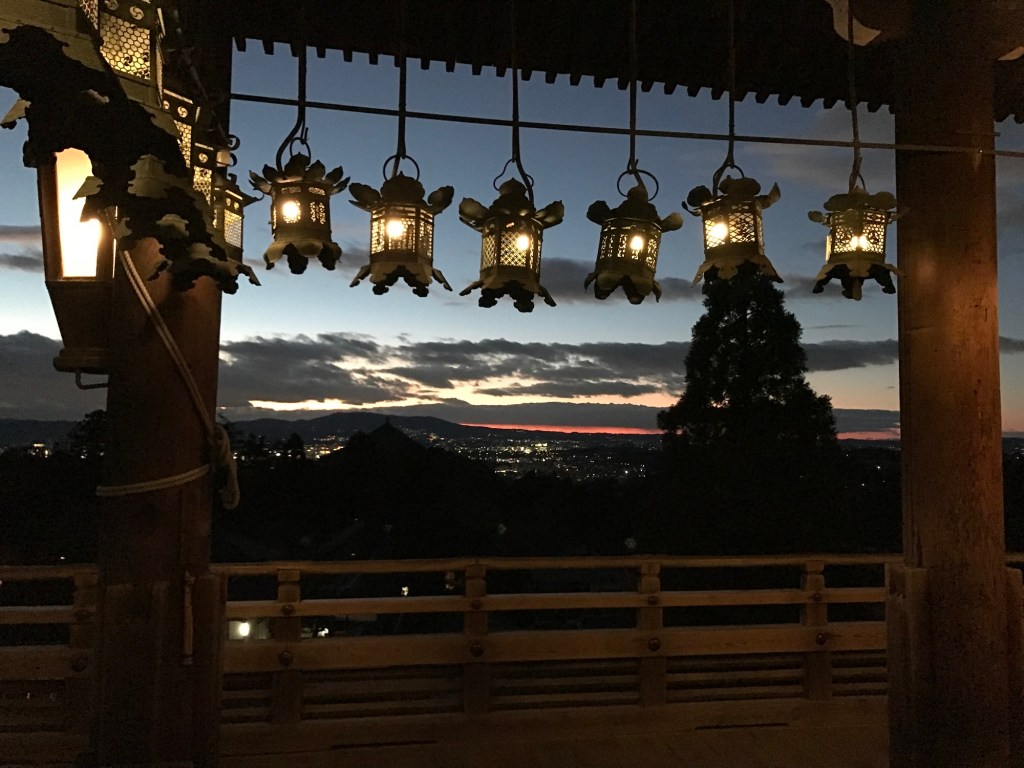
The Grandeur of Tōdai-ji and the Mystique of Kongo Rikishi
From Nigatsu-dō, I descend the hill to Tōdai-ji, my final destination. By this time in the evening, the Daibutsuden Hall, which houses the Great Buddha (Daibutsu), is likely closed to visitors. While I may not be able to see the Daibutsu itself, the sheer size of the hall remains overwhelming. Recognized as one of the largest wooden structures in the world, it commands respect and awe even in the quiet of night. Its presence alone sets the stage for what comes next.
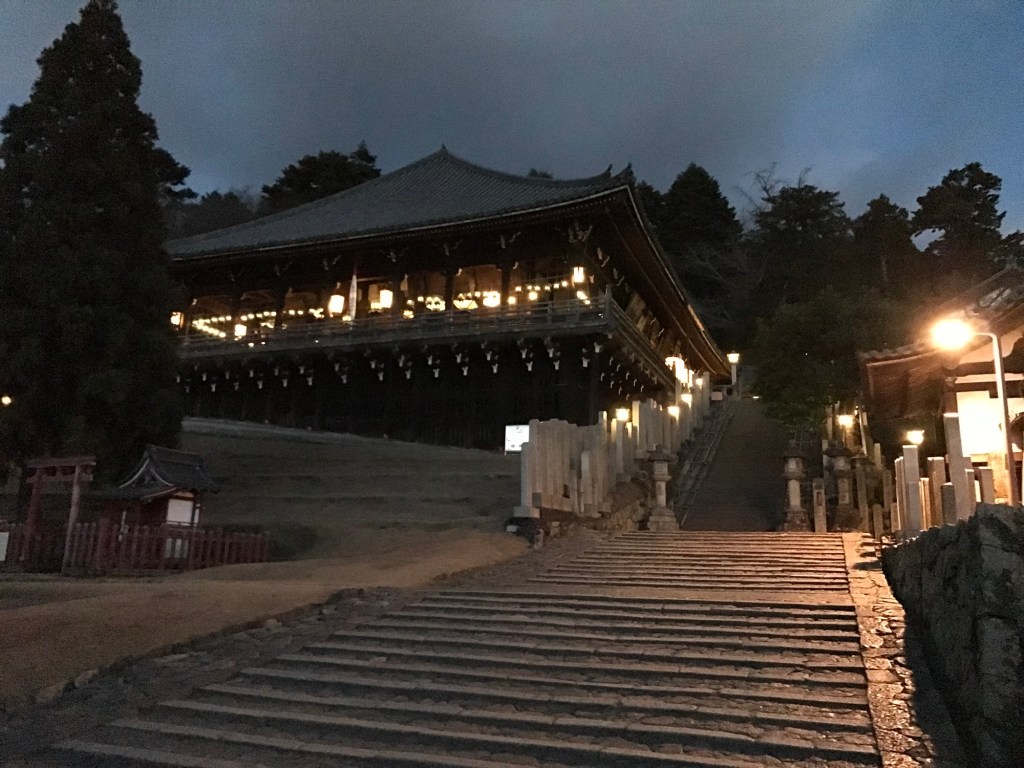
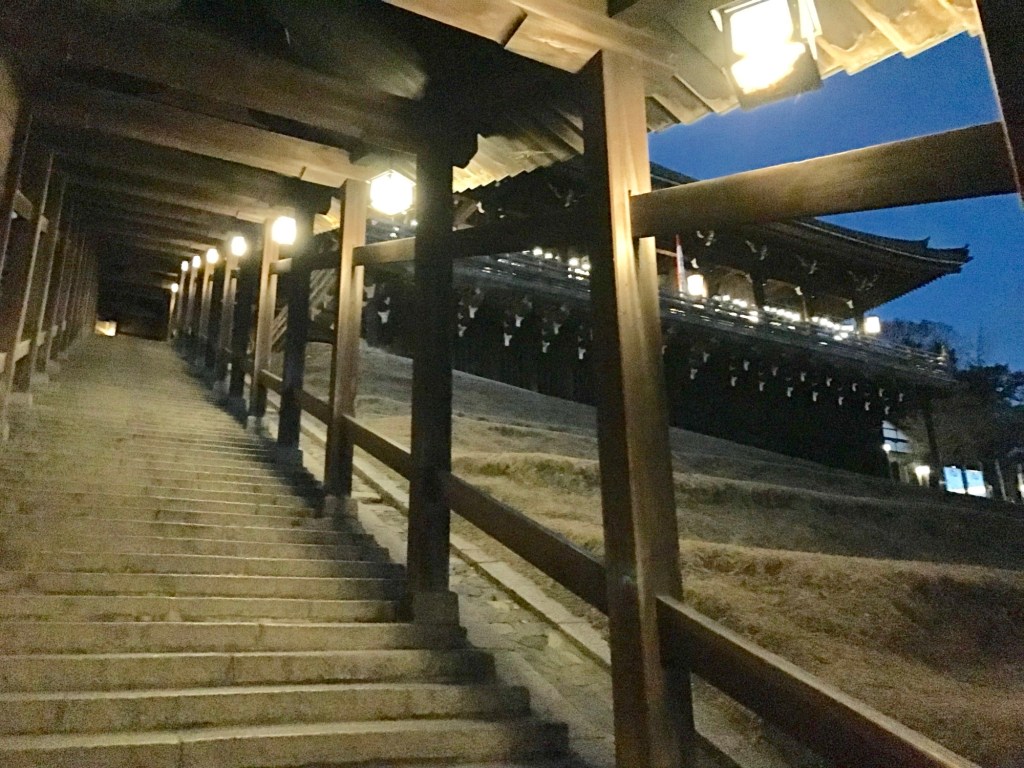
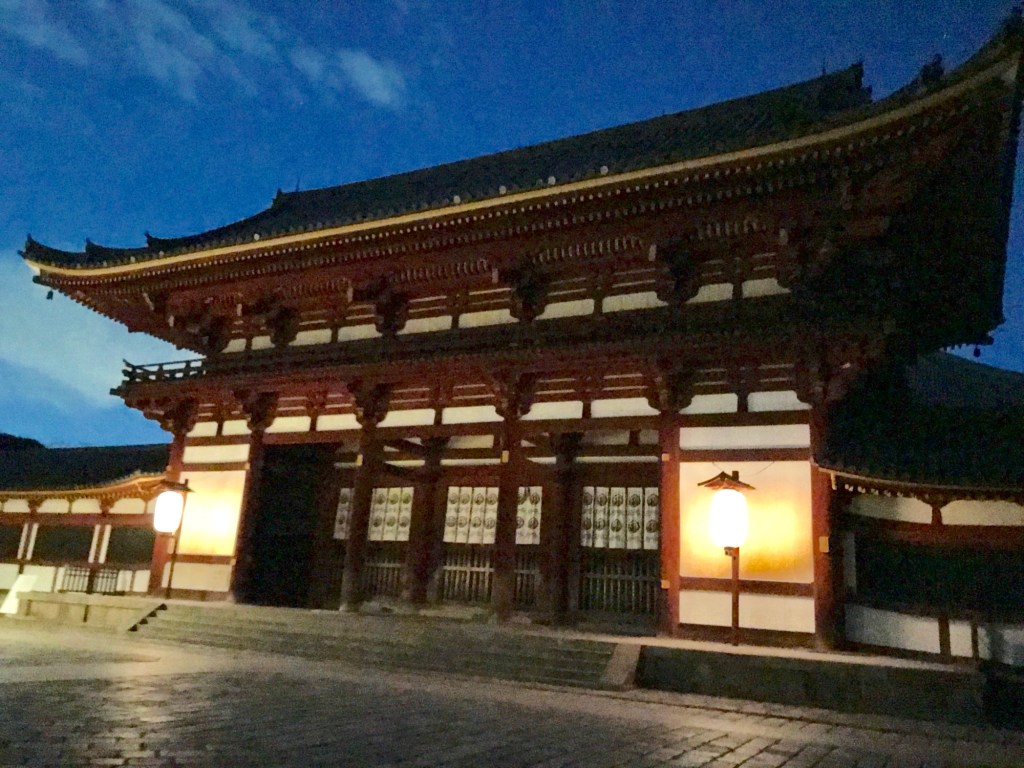
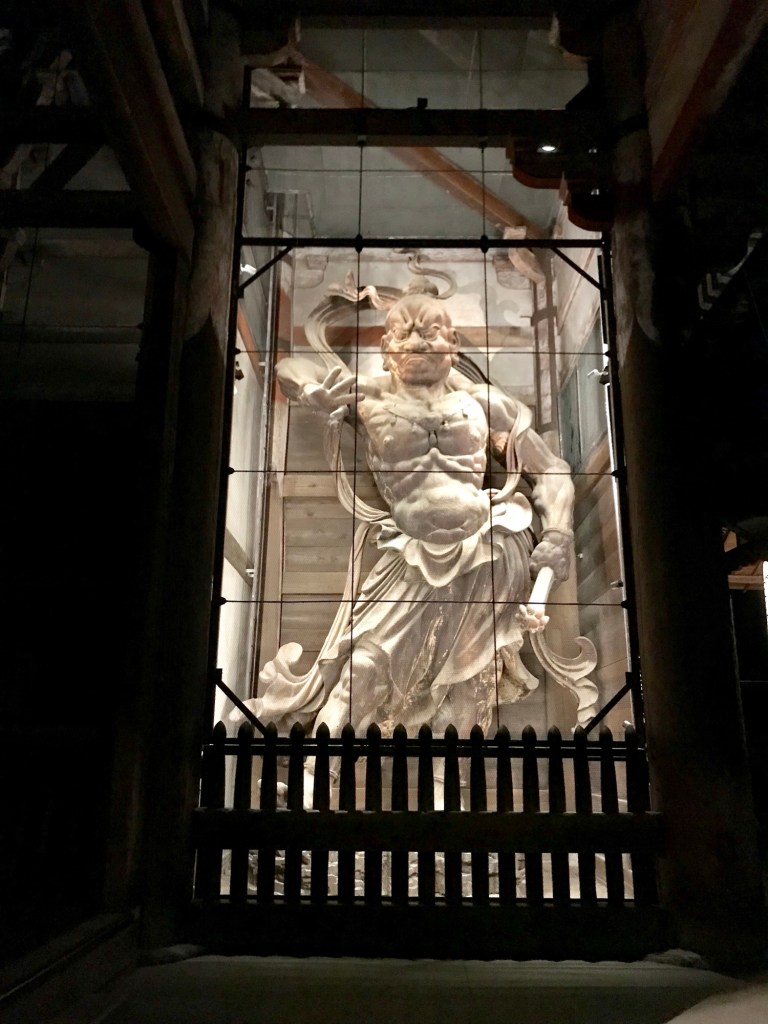
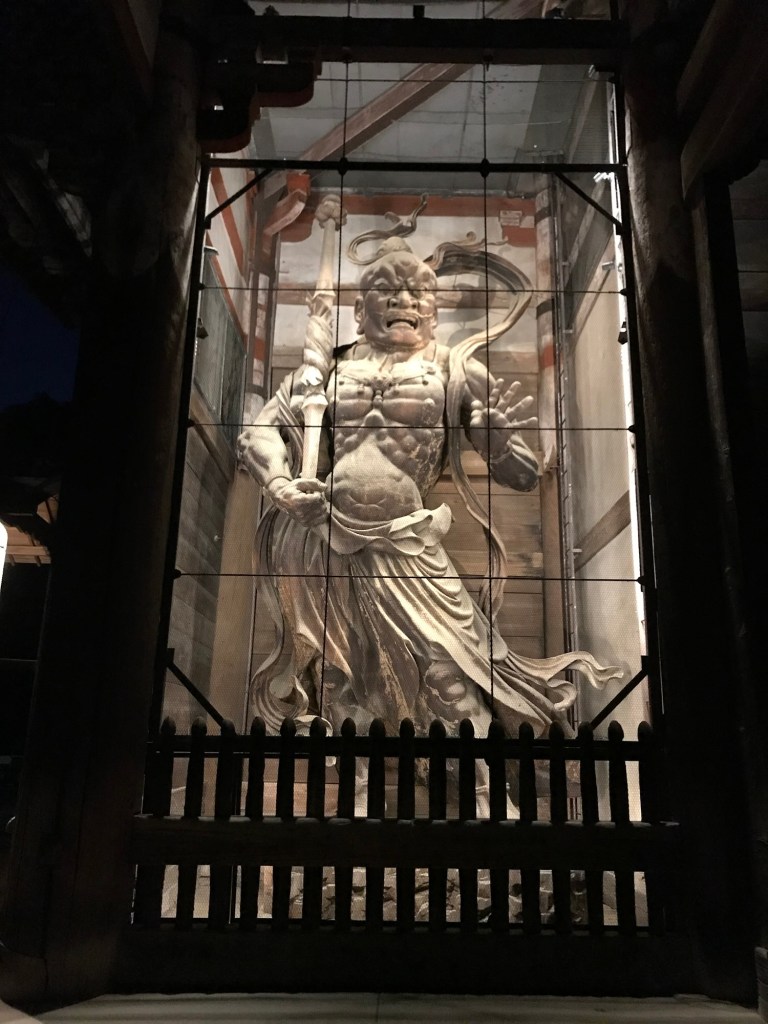
Passing through the Nandaimon (Great South Gate), I arrive at the statues of Kongō Rikishi, the guardian deities that stand watch over the temple grounds. Sculpted by the renowned artist Unkei (1150–1223), these figures are masterpieces of dynamic realism. Their fierce, lifelike expressions and powerful stances seem even more striking when illuminated in the evening. The interplay of light and shadow enhances their mysterious beauty, creating a scene that feels sacred and otherworldly.
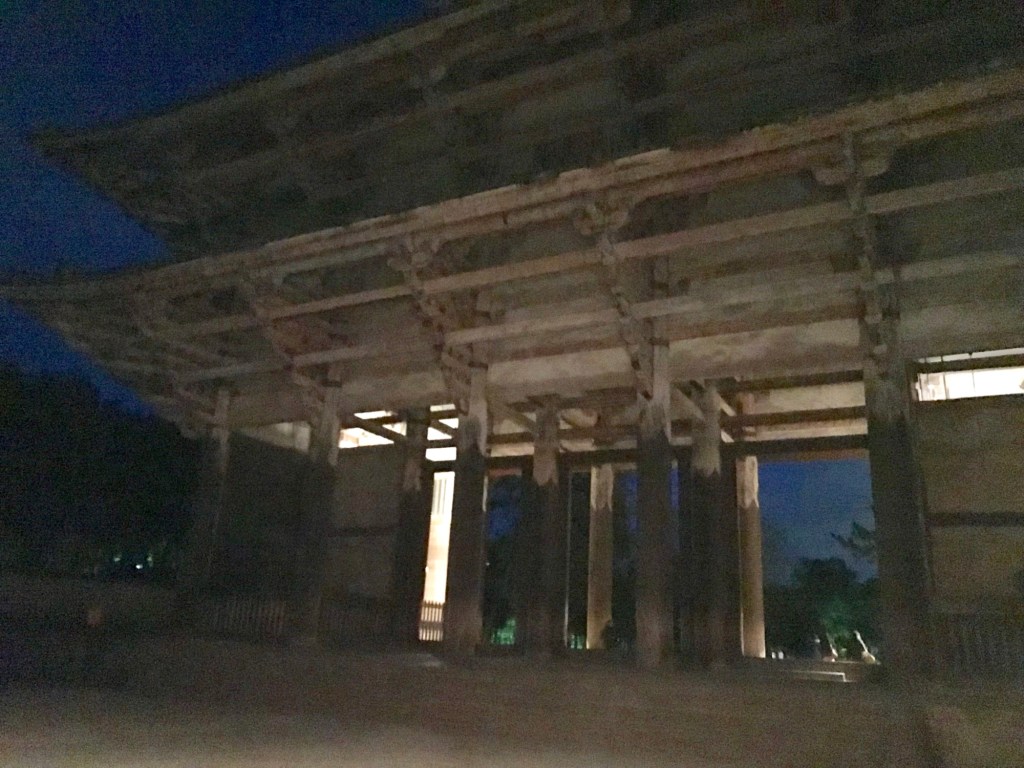
This moment, standing before the illuminated statues of Kongō Rikishi, marks the culmination of my walking meditation. Their presence feels like both a blessing and a reminder of the profound spiritual and artistic legacy of Nara. It’s a fitting conclusion to a journey that began in the soft light of late afternoon and ends in the stillness of night.
Balancing Tourism and Preservation
As Nara becomes more popular with travelers from around the world, it’s important to think about how to preserve its unique character. The city’s charm lies in its quiet, spiritual atmosphere, and over-tourism risks disrupting that delicate balance.
The good news is that there are ways to enjoy Nara responsibly. Visiting during off-peak times, like weekdays or early mornings, not only enhances your experience but also helps reduce the strain on the city. Taking the time to learn about Nara’s history and culture before you visit can also deepen your appreciation and make your trip more meaningful.
For locals and visitors alike, the goal should be to protect Nara’s essence while sharing its beauty with the world. After all, the magic of Nara isn’t just in its landmarks—it’s in the way it makes you feel.
Nara’s Timeless Spirit
Every time I return to Nara, I feel a sense of renewal. The city has a way of grounding you, of reminding you what truly matters. Whether it’s the playful deer in Nara Park, the breathtaking view from Nigatsu-dō, or the imposing grandeur of the Great Buddha Hall, Nara offers an experience that lingers in your heart long after you leave.
Nara isn’t just a destination; it’s a journey—a chance to step out of the noise of everyday life and reconnect with something deeper. Walking through the city from late afternoon to evening, feeling its rhythm shift with the setting sun, is an experience I cherish. And standing before the glowing statues of Kongō Rikishi, so mysterious and powerful, feels like a perfect ending, one that prepares you to step back into the world with a calmer heart.
Nara will always be more than my hometown. It is a sanctuary of peace, a place where history, spirituality, and nature come together. Whether you’re visiting for the first time or returning like I do, Nara has a way of staying with you, long after the walk is complete.
Images: Photos captured during my visit
 Tom’s Blog