
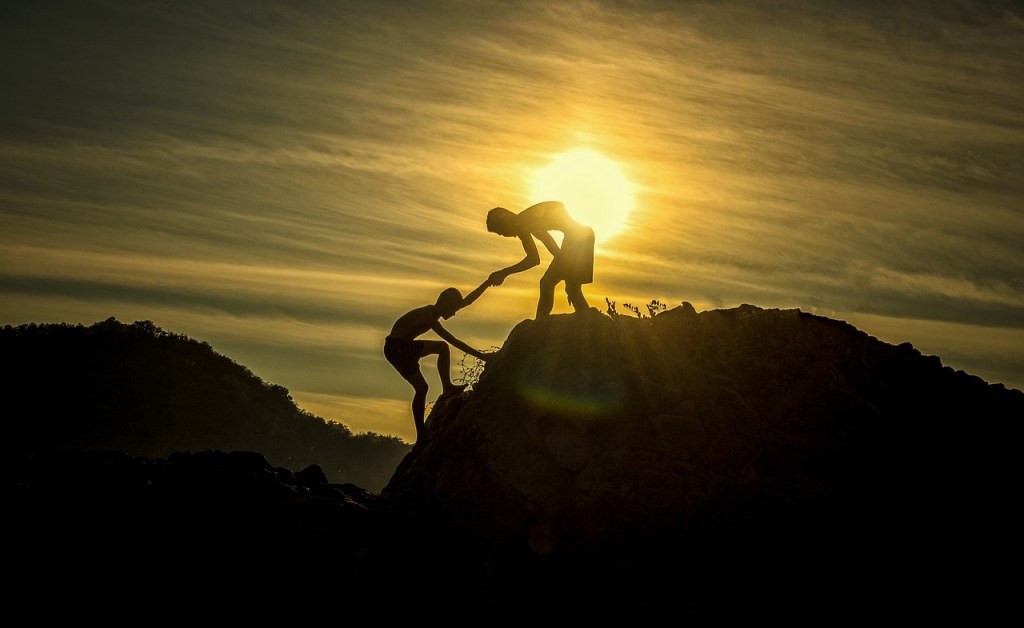
We often think of kindness as a selfless act—something we do for the benefit of others with no expectation of return. But kindness is rarely a one-way street. Acts of generosity, big or small, often create ripple effects that come back to us in surprising and meaningful ways. Helping others not only strengthens communities and relationships but also enriches our own lives, offering emotional, social, and even practical rewards. When we help someone, we’re not just doing something for them; we’re also doing something for ourselves.
Kindness is Never Wasted
When you lend a hand to someone in need, the immediate benefit may seem entirely theirs. You might give your time, energy, or resources without expecting anything in return. But over time, the effects of your kindness often circle back to you. A small act—helping a colleague with their work, supporting a neighbor during a tough time, or simply listening to a friend—can create bonds of trust and goodwill. These connections make life richer for everyone, including you.
Take the example of a neighborly favor. Imagine helping someone fix their car or babysit their child. While the initial act benefits them, the relationship you build can lead to a stronger, more supportive community. One day, when you’re in need, that same neighbor might step forward to help you. Kindness strengthens the social fabric that binds us together, creating a cycle where everyone benefits.
Even beyond direct reciprocity, the sense of fulfillment and purpose that comes from helping others is a reward in itself. Knowing you’ve made someone’s day brighter or contributed to their success often brings a deep sense of satisfaction. Far from being a sacrifice, kindness is an investment—one that pays dividends in emotional and social well-being.
The Hidden Rewards of Helping Others
Helping others often brings intangible rewards that go beyond immediate outcomes. Acts of kindness can boost our mood, strengthen our sense of purpose, and deepen our connection to others. When you see someone smile because of something you’ve done, it creates a warmth that’s hard to replicate through any material gain. That emotional response is part of why helping others feels so good—it’s not just about their benefit; it’s also about how it makes us feel.
This is sometimes referred to as the “helper’s high,” a phenomenon where helping others releases feel-good chemicals in the brain, like endorphins. Studies have shown that people who engage in regular acts of kindness tend to experience lower stress levels, greater happiness, and even better physical health. Helping others, it seems, is as good for you as it is for them.
Beyond the emotional benefits, there’s also a deeper sense of identity that comes with helping others. When you see yourself as someone who cares, someone who lifts others up, it reinforces your own self-worth. This positive feedback loop makes kindness not just a way to support others but also a way to strengthen yourself.
Building a Better Future Through Kindness
Kindness doesn’t just create immediate benefits; it also lays the groundwork for a better future. Think of it like planting seeds. The effort you put in today—whether it’s mentoring someone, donating to a cause, or offering support to a friend—often grows into something far greater over time. The world you help create is one that benefits not only others but also yourself.
Consider a workplace example. When you support a colleague by sharing your expertise or taking time to mentor them, you’re helping them grow. But you’re also contributing to a more collaborative, supportive environment. That environment, in turn, makes your own work experience better, creating a ripple effect where everyone thrives. Kindness is a way of investing in the future—not just for others but for yourself as well.
The same principle applies on a larger scale. Communities built on generosity and cooperation are more resilient, healthier, and happier places to live. By contributing to this culture of kindness, you’re not just helping others—you’re helping to create a world where you, too, can flourish. In this way, kindness becomes a shared strength, one that uplifts everyone involved.
The Emotional Power of Kindness
Helping others also builds emotional resilience. When you extend kindness to someone, you’re practicing empathy, understanding, and connection. These qualities don’t just make you a better friend or neighbor—they also make you stronger in the face of challenges. Kindness nurtures emotional growth, teaching us to look beyond ourselves while simultaneously enriching our inner lives.
For example, supporting someone through a difficult time can deepen your own capacity for compassion. In helping others navigate their struggles, you often find new perspectives on your own challenges. This shared humanity—seeing yourself in others—creates a bond that strengthens both giver and receiver. Kindness, then, is not just an external act; it’s a way of cultivating emotional strength within yourself.
On a practical level, the relationships built through kindness can also provide crucial support during life’s hardships. Whether it’s a friend who shows up when you need them most or a community that rallies around you in tough times, the bonds forged through generosity create a safety net. In this sense, helping others is not just morally good—it’s also a way of ensuring your own well-being.
The Importance of Balance
While kindness is powerful, it’s important to practice it in ways that are sustainable. Giving too much without taking care of yourself can lead to burnout or resentment, making it harder to continue helping others in the long run. True kindness respects both the needs of others and your own boundaries, creating a balance that ensures everyone benefits.
This balance is key to understanding why helping others also helps you. When kindness comes from a place of strength and thoughtfulness, it creates a cycle of giving and receiving that uplifts everyone involved. On the other hand, self-sacrificing behavior that leaves you drained or depleted can ultimately harm both you and those you’re trying to help. The best kind of kindness is one that nourishes everyone, including yourself.
A Shared World of Kindness
The beauty of helping others lies in its simplicity. A kind word, a thoughtful gesture, or a moment of your time can make a world of difference—not just for someone else, but for you as well. Kindness strengthens relationships, fosters emotional well-being, and builds a better world for everyone.
In a society that often values competition and individualism, the idea that helping others helps yourself offers a refreshing perspective. It reminds us that we’re all connected and that our actions, no matter how small, have the power to create lasting change. When you extend kindness, you’re not just giving—you’re also receiving in ways that may surprise you.
So the next time you have the chance to help someone, remember: it’s not just for them. It’s for you, too. And in the act of giving, you’re creating a ripple of positivity that will inevitably find its way back to you, making the world a little brighter for everyone involved.
Image by Sasin Tipchai
 Tom’s Blog
Yes. This is all so true.
LikeLiked by 1 person
Yes, it is indeed an inspiring truth—thank you for your comment! 🤗
LikeLiked by 1 person