
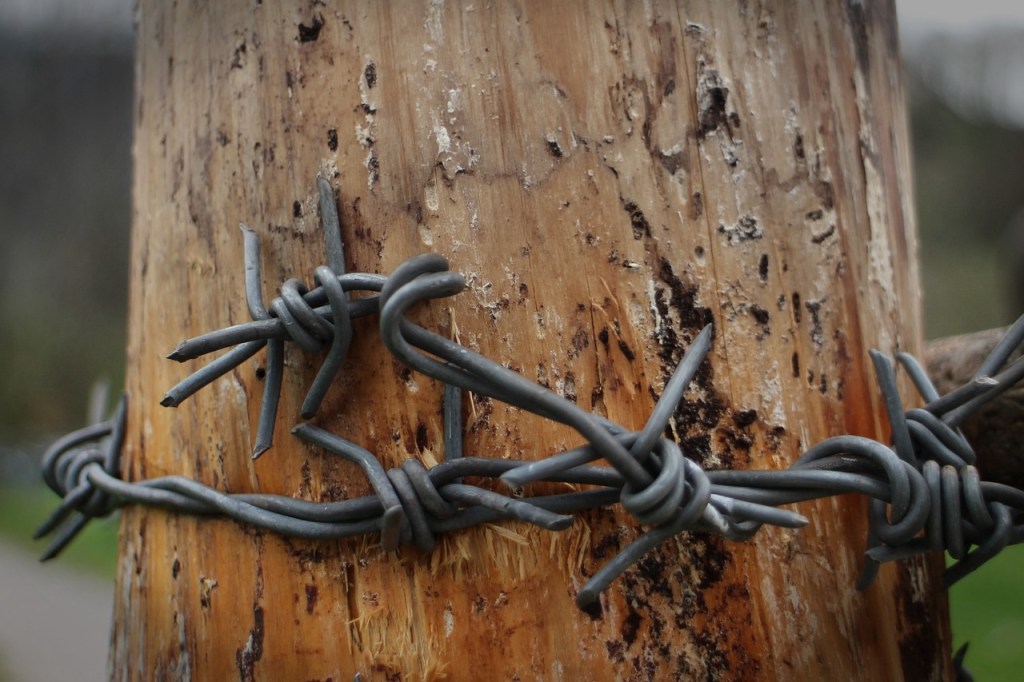
Anger is one of those emotions we all know too well. It can flare up over something small—like a rude comment—or it can brew over something big, like a betrayal or injustice. Sometimes it feels like it protects us, driving us to stand up for ourselves. Other times, it eats away at us, making us restless, unable to let go. Anger is tricky—it can bring people together in shared frustration, but it also tears apart families, friendships, and even nations.
The thing about anger is that it’s universal. We see it in our closest relationships, at work, and even on the world stage. When it gets out of control, it takes over, robbing us of peace of mind. We carry the people or events we’re angry about in our heads, replaying what they said or did. And sometimes, anger turns into something bigger—something destructive. The story of Cain and Abel, one brother killing the other out of jealousy, is a reminder of how far anger can push us. If even the first siblings in human history couldn’t avoid it, what does that say about us?
When Anger Feels Righteous
Not all anger is bad. Sometimes it pushes us to fight for what’s right. Think about the people who’ve stood up to oppression or led movements for justice. Their anger came from seeing something wrong in the world and wanting to fix it. This kind of anger has the power to create change, and in some ways, it’s necessary.
But here’s the catch: righteous anger can go off the rails. A powerful example of this is the crucifixion of Jesus Christ. The crowds believed they were defending their faith, their traditions. They thought their anger was justified, but they were horribly wrong. Their misplaced fury led to one of the greatest injustices in history. It’s a reminder that even when we think we’re fighting for what’s right, anger can cloud our judgment.
Today, we see this play out on social media. People rally around causes, calling out others they believe are in the wrong. Sometimes it’s necessary, but other times, it turns into mob mentality, with little thought for facts or fairness. Outrage has become its own form of entertainment, and while it feels good in the moment, it often leaves behind division rather than solutions.
The Hardest Thing: Forgiveness
If anger is easy, forgiveness is the opposite. Letting go of resentment, especially when someone has deeply hurt us, can feel impossible. How do you forgive someone who doesn’t even care about the damage they caused? And why should you?
Forgiveness isn’t about excusing bad behavior or pretending the hurt didn’t happen. It’s about freeing yourself from the weight of anger. Holding onto resentment only keeps the pain alive. But forgiving? That’s what lets you move forward.
Take Jesus on the cross as an example. In His final moments, He prayed for the people who put Him there: “Father, forgive them, for they know not what they do.” Imagine the strength it took to say those words. He wasn’t ignoring their cruelty—He was rising above it. Forgiveness like that isn’t about being weak; it’s about being strong enough to let go.
For the rest of us, forgiveness is a journey. It doesn’t happen overnight, and that’s okay. The first step is being honest with yourself: “I’m not ready to forgive right now.” Just admitting that is a form of self-awareness. Over time, small acts—like praying for the desire to forgive or talking to someone you trust—can help you take steps toward healing.
The Strength in Being Vulnerable
It’s easy to think of strength as being tough, unshakable, or in control. But real strength often looks different. It’s about being vulnerable—admitting when you’re hurt, asking for help, and letting your guard down. It’s the kind of strength Apostle Paul was talking about when he said, “When I am weak, then I am strong.”
Vulnerability isn’t about letting people walk all over you. It’s about being open and honest, even when it’s hard. Jesus’ crucifixion shows this kind of strength. He didn’t fight back with anger or violence. Instead, He showed grace, even in His suffering. That kind of strength—rooted in love and forgiveness—takes far more courage than lashing out.
In our own lives, embracing vulnerability means being okay with not having all the answers. It’s about learning from pain and using it to grow. True strength isn’t about putting up walls; it’s about building bridges, even when it feels risky.
The World’s Strange Paradox: Kinder but More Fragile
On a global level, we’re living through a strange paradox. On one hand, humanity has become kinder. Look back at history—brutal punishments, torture, and outright cruelty were once common. Today, these things are condemned. We’ve made incredible progress in recognizing human rights and reducing violence.
But on the other hand, we’ve become more fragile. People today are more sensitive to subtle unkindness or discomfort. A harsh word or a small slight can feel overwhelming. Kids used to resolve conflicts through physical fights or playground squabbles. Now, many grow up without learning how to handle confrontation, and as adults, they struggle with resilience.
This shift reflects a cultural focus on emotional well-being, which is important. But it also raises questions: Have we lost some of our toughness along the way? How can we balance kindness with resilience? These are questions we need to wrestle with as individuals and as a society.
Strength Through Kindness
The way forward isn’t about choosing between kindness and resilience—it’s about bringing them together. True progress lies in being both strong and compassionate, learning to forgive without ignoring the realities of pain and injustice.
Forgiveness starts small. Maybe it’s praying for the strength to forgive. Maybe it’s choosing not to dwell on an old argument. Over time, these small acts can lead to profound healing. Forgiveness doesn’t mean forgetting or excusing—it means letting go of the anger that holds us back.
At the same time, we need to cultivate resilience. Life isn’t always kind, and avoiding discomfort isn’t the answer. By embracing challenges and learning from them, we can grow stronger without losing our capacity for empathy.
Jesus’ example reminds us of the power of grace. Even in His weakest moment, He showed strength beyond anything the world had seen. That kind of strength—rooted in vulnerability and love—is something we can all aspire to, even if we fall short.
The world will never be free of anger, pain, or conflict. But by choosing forgiveness over resentment and kindness over cruelty, we can create a little more light in the darkness. And in that, there’s real strength.
Image by Manfred Antranias Zimmer
 Tom’s Blog
thank you
LikeLiked by 1 person