
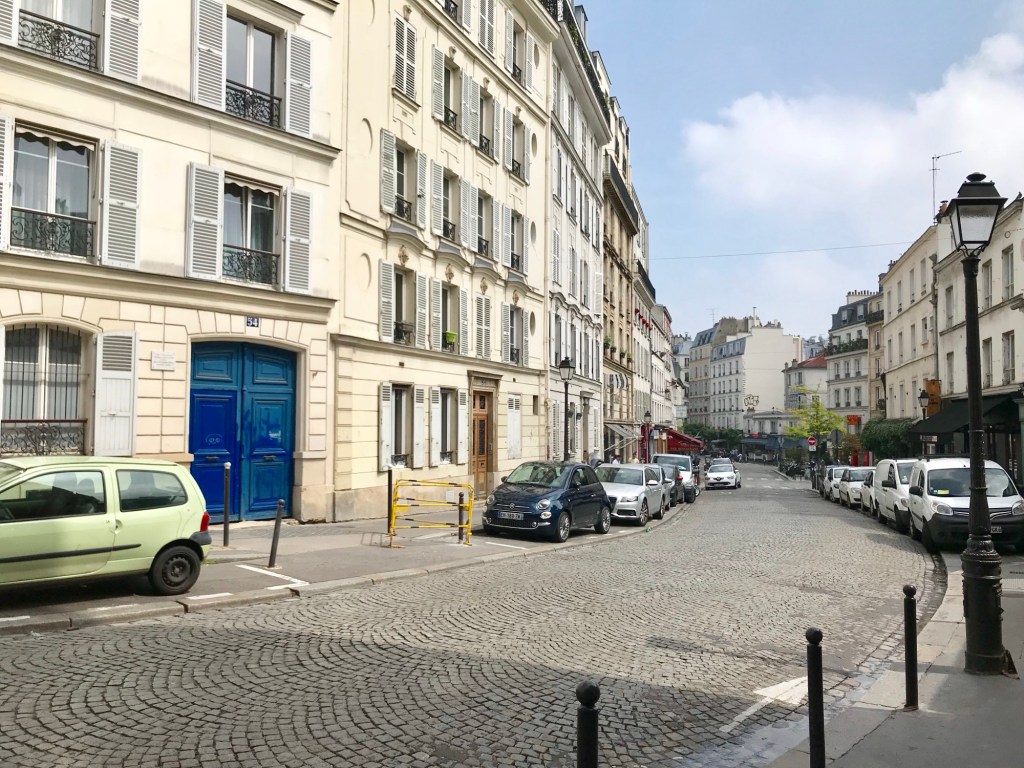
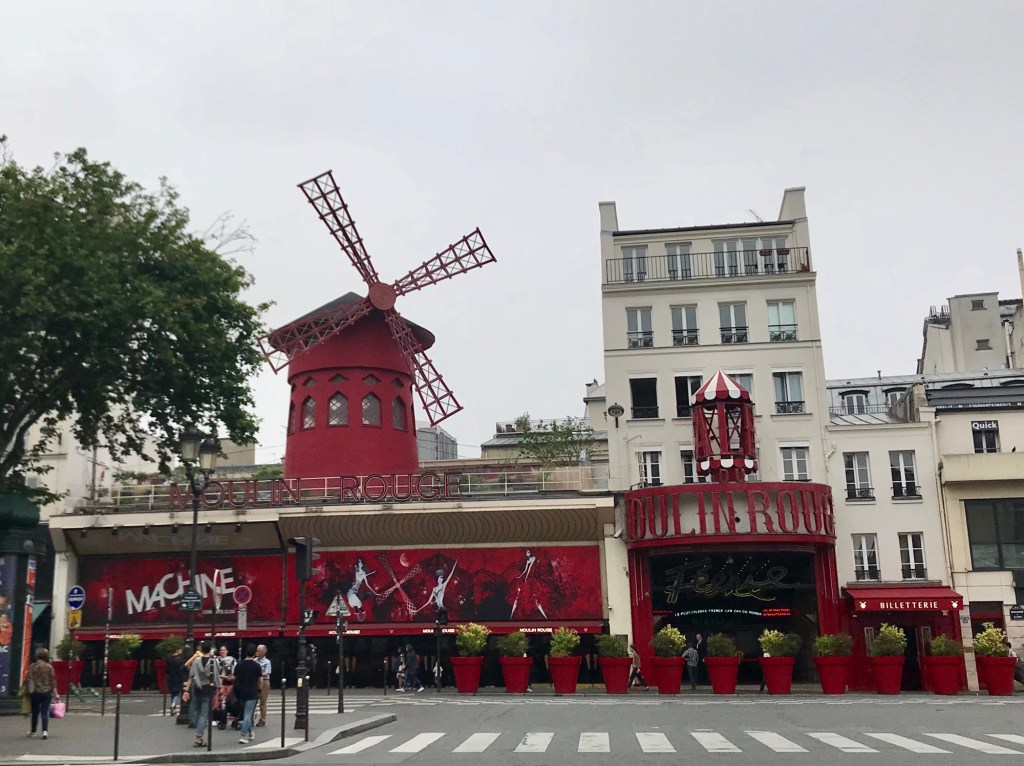
Years ago, during a trip to Paris with my wife, I visited a place I had long dreamed of seeing—Vincent van Gogh’s house. Standing before it, I marveled at the thought of him painting, writing letters to his brother Theo, and living in this space. What surprised me, though, was something unexpected: the famous Moulin Rouge was just a short walk away. Suddenly, I could imagine Henri de Toulouse-Lautrec sketching dancers at the cabaret, just a stone’s throw from where Van Gogh lived. This proximity painted a vivid picture of late 19th-century Paris, where these artists lived, struggled, and created side by side.
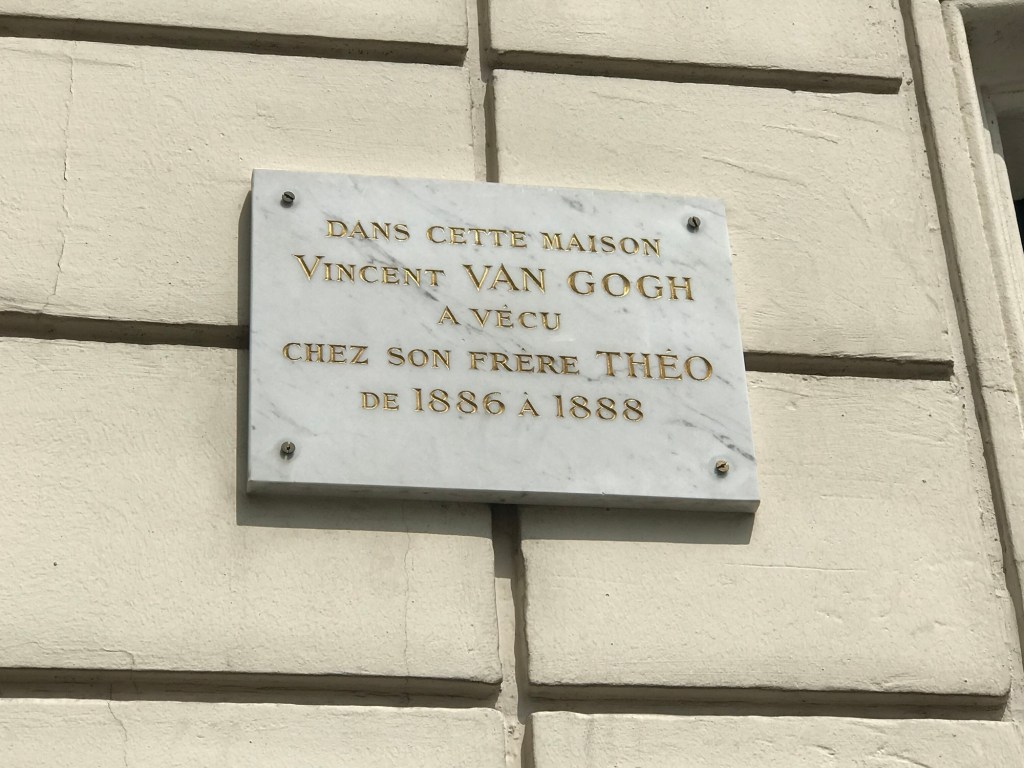
It wasn’t just the geography that connected them. I thought about Van Gogh’s heartfelt letters to Theo, which revealed his inner world, Lautrec’s vibrant depictions of Montmartre’s nightlife, and even Paul Gauguin’s search for a deeper meaning in life, as captured in books like The Moon and Sixpence. These artists lived in a time of change, breaking free from old norms and embracing a freedom to create that resonates deeply with how we share and create today. Their stories feel oddly familiar, almost like the lives of bloggers, YouTubers, and creators on modern platforms.
The Artists of Montmartre: Creators Before Their Time
In the late 1800s, Montmartre was the heart of Parisian bohemian life. Artists like Van Gogh, Lautrec, and Gauguin gathered in this district, drawn by its lively cabarets, cheap rents, and an atmosphere of creative rebellion. What set them apart was their desire to break free from traditional art rules. They didn’t want to paint stiff portraits or mythological scenes meant to hang in the grand salons; they wanted to capture the world as they saw and felt it.
A big part of this shift was thanks to a simple invention—the tube of paint. Suddenly, artists weren’t confined to studios. They could step outside, set up an easel, and paint the world in real-time. Van Gogh used this freedom to create sun-drenched fields and starlit skies, while Lautrec turned his attention to the vibrant, chaotic world of cabarets like the Moulin Rouge. This was art born of immediacy and emotion, not polished perfection.
Doesn’t this sound familiar? Think of how we share stories today. With just a smartphone or a laptop, anyone can create and publish their work. Like the artists of Montmartre, modern creators are no longer reliant on gatekeepers. Whether it’s a blog post, a YouTube video, or an Instagram reel, today’s platforms have democratized creativity, making it easier than ever to share ideas with the world.
The Beauty of Struggles: Van Gogh and Lautrec
As I stood near Van Gogh’s house, I thought of his life—marked by passion, heartbreak, and relentless creativity. His letters to Theo often revealed a man deeply troubled but fiercely committed to his art. He painted with an intensity that matched his emotions, filling his canvases with bold yellows and swirling blues. His struggles, while painful, gave his work a raw honesty that still speaks to people today.
Toulouse-Lautrec, on the other hand, painted a different kind of struggle. Born into a wealthy family, he suffered from a genetic condition that left him physically disabled and emotionally isolated. Yet he found his place among the dancers and performers of the Moulin Rouge, capturing their energy and humanity in his work. Lautrec’s art, like Van Gogh’s, came from a place of deep empathy and understanding of life’s imperfections.
In their own ways, both artists turned their pain into something beautiful. Today, modern creators do much the same. Many bloggers and YouTubers share personal struggles, creating content that resonates because it’s authentic and real. Whether it’s a mental health story or a behind-the-scenes look at a challenging journey, these creators remind us that vulnerability can be a powerful force for connection.
A Common Language: Letters and Platforms
One detail about Van Gogh has always intrigued me: though he was Dutch, he often wrote to Theo in French. It wasn’t his native tongue, but it was the language of the Parisian art world, and he used it to connect with a broader audience. This choice mirrors what we see today, where English has become the common language of the digital creative landscape. Just as Van Gogh used French to reach beyond his immediate circle, bloggers, YouTubers, and other creators use English to share their work with a global audience.
In both cases, the choice of language is about connection. Van Gogh’s letters helped Theo understand his thoughts and struggles, and modern creators use their chosen language to build bridges between cultures. It’s a reminder that communication—whether through words, videos, or paintings—has the power to transcend boundaries.
The Moulin Rouge: Then and Now
As I walked to the Moulin Rouge, its iconic red windmill standing tall, I couldn’t help but think of Lautrec sketching there, surrounded by dancers and patrons. The cabaret wasn’t just a place for entertainment; it was a microcosm of Parisian life, where people from all walks of life came together. Lautrec’s paintings captured this world in all its vibrancy, from the joy of the can-can dancers to the quiet moments of tired performers backstage.
The Moulin Rouge was a symbol of freedom—a space where art could break the rules and embrace the unconventional. Today’s creators have their own “Moulin Rouge” in the form of democratized platforms. Like the cabaret, these platforms celebrate individuality and diversity, giving voices to those who might otherwise go unheard. They remind us that creativity thrives when it’s given room to breathe, away from rigid structures and expectations.
Gauguin’s Journey: Searching for Authenticity
While Van Gogh and Lautrec found inspiration in Paris, Paul Gauguin sought it elsewhere. Disillusioned by European society, he left for Tahiti, hoping to find a simpler, more authentic way of life. His paintings from this period, with their bold colors and symbolic imagery, reflect both his fascination with and misunderstandings of the culture he encountered.
Gauguin’s journey speaks to a universal longing for meaning. In a world that often feels overwhelming, many creators today seek similar authenticity. They share personal stories, explore topics that matter deeply to them, and reject the polished, corporate version of creativity. Like Gauguin, they are searching for something real, even if that search is imperfect.
From Paris to Platforms
Standing in Montmartre, I couldn’t help but feel the weight of its history. The streets, the buildings, even the air seemed to carry the spirit of those who had come before—Van Gogh with his relentless passion, Lautrec with his sharp eye for detail, Gauguin with his restless search for meaning. Their stories felt alive, not just as part of the past but as reflections of the present.
Today, the platforms we use to create and share may look very different from the paintbrushes and canvases of Montmartre, but the essence is the same. Whether it’s a 19th-century cabaret or a 21st-century blog, the drive to express, connect, and inspire remains timeless. The artists of Montmartre remind us that creativity isn’t about following rules; it’s about finding your voice and sharing it with the world.
My visit to Paris didn’t just show me Van Gogh’s house or the Moulin Rouge—it gave me a new way of seeing. It helped me understand that the struggles and dreams of those artists are still with us, carried forward by anyone who dares to create. And just like them, we have the tools to turn our own lives into something extraordinary.
Images: Photos captured during my visit
 Tom’s Blog
There was so much talent in that time and in that place. I’m sure they inspired one another. I visited the Van Gogh Museum in The Netherlands, and it was fabulous. Your parallel to blogging is interesting, Tom.
LikeLiked by 1 person
Hi Mary,
Thank you so much for your comment, and my apologies for the very late reply! I completely missed it as it got buried under other notifications.
I’ve also heard wonderful things about the Van Gogh Museum in the Netherlands, his home country. Hopefully, I can visit someday and add it to my bucket list. Thanks again for reading and sharing your thoughts! 😊
Warmly,
Tom
LikeLike