
Few contrasts are as profound and culturally loaded as those between loudness and silence. Both loud environments and quiet spaces hold special places in our lives, fulfilling different psychological and social needs.
Nowhere is this contrast more apparent than in Christian worship, where different traditions embrace either expressive, energetic practices or contemplative, quiet ones. These divergent styles reflect not only distinct theological understandings but also unique cultural influences and psychological needs.
The evangelical preference for lively, public expressions of faith contrasts sharply with the Catholic and Orthodox emphasis on private, templated prayer and quiet reverence. Understanding these differences offers insight into how Christians from different traditions experience God, build community, and shape their spiritual lives.
The Role of Loudness
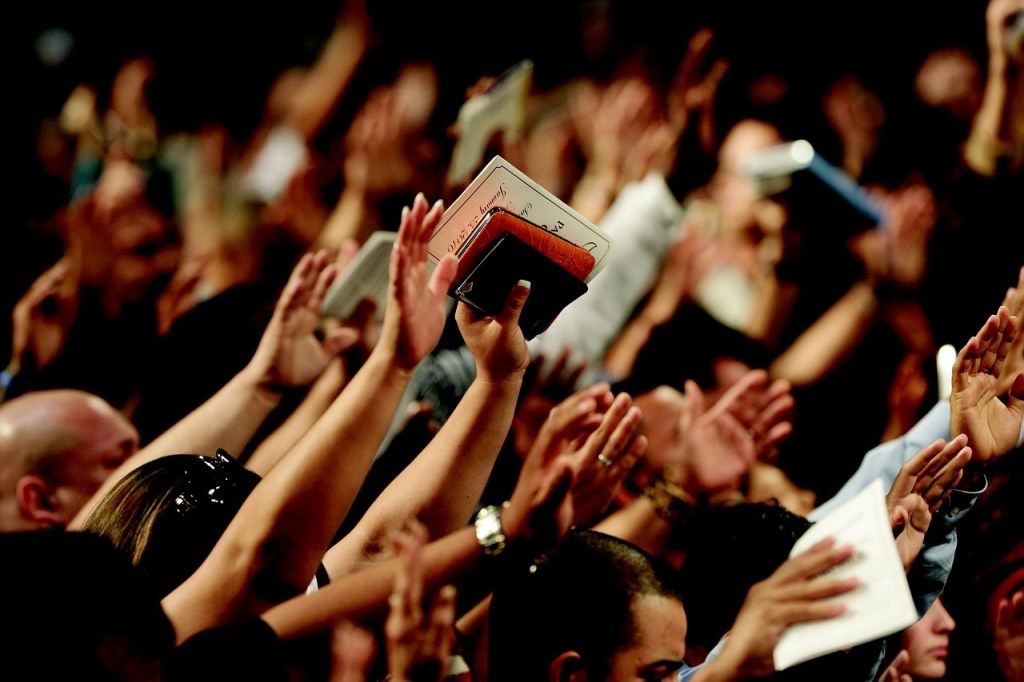
Evangelical worship services often resemble concerts, characterized by energetic music, spontaneous prayer, and public testimonies. This dynamic environment is designed to facilitate an immediate, emotional connection with God. For evangelicals, worship is a personal encounter with the divine, and the high energy of loud music and public expression serves as a medium for that connection. By allowing the music and collective experience to override their internal dialogue, worshippers are pulled into a shared rhythm that fosters a deep sense of unity. The intense atmosphere of evangelical worship makes God’s presence feel immediate and personal, creating an immersive experience that unifies the congregation.
The loudness of evangelical worship isn’t only about energy; it’s also a psychological tool for inducing altered states of consciousness. Similar to the trance states found in secular music festivals or rallies, the rhythm and volume in evangelical worship create a heightened sense of being “filled with the Spirit.” This intensity can be exhilarating, making worship feel transcendent and transformative. For many, this experience of worship reflects the immanence of God—the belief that God is intimately involved in their lives and accessible in every moment. Evangelicals often see this closeness to God as best expressed through communal, high-energy activities that make spiritual experiences immediate and palpable.
However, the energy of loud, expressive worship is not just about personal experience; it is also deeply communal. For evangelical Christians, worship is a collective celebration, an opportunity to share in the joy and power of faith with others. By expressing their devotion publicly, worshippers reinforce their commitment to God and inspire one another. The sense of shared experience is heightened by the physical aspects of loudness: vibrations from the music, the collective voices, and the feeling of unity through synchronized worship. This form of worship not only reinforces personal faith but also solidifies a shared identity within the community.
The Sacred Value of Silence
In contrast, Catholic and Orthodox traditions place a high value on silence and structured, templated prayer. In these settings, worship is contemplative, creating an atmosphere of reverence and introspection. Silence, rather than loudness, serves as a gateway to the divine. Catholics and Orthodox Christians find in silence an invitation to experience the mystery of God beyond words, where reverence and awe are more central than personal expression. The quietness in these traditions emphasizes God’s transcendence, reminding believers that the divine is beyond human understanding and that true connection with God often lies in stillness and simplicity.
Silence in Catholic worship is not just about avoiding noise; it is about creating a mental and spiritual space for reflection. In prayer and worship, Catholics are encouraged to enter a state of humility, recognizing the limits of their understanding and the vastness of God’s mystery. Structured prayers, like the Our Father or the Hail Mary, provide worshippers with familiar words that guide them into a contemplative space. This approach does not require individual eloquence; instead, it fosters a communal experience where worshippers join in a shared tradition, allowing them to connect with God without the pressure to articulate their own thoughts publicly. This templated style of prayer provides a sense of security and continuity, linking individuals with centuries of tradition while allowing them to focus inwardly.
Silence also cultivates a communal atmosphere without requiring individual performances of faith. In Catholic and Orthodox worship, individuals are united through shared rituals, but there is no need for personal displays of devotion. The community is present, but it does not act as an audience; instead, it exists as a body of individuals joined in quiet reflection. This anonymity can be particularly meaningful for introverts or those who find public speaking uncomfortable. In these traditions, faith is seen as a personal journey where God understands the heart without the need for public expression. This emphasis on quiet, internal spirituality allows believers to experience the divine in a way that feels private, personal, and secure.
Psychological and Social Factors
The different styles of worship in Protestant and Catholic traditions reflect not only theological beliefs but also psychological and social factors. For individuals who are naturally extroverted, evangelical worship provides an ideal setting to express their faith outwardly. The public nature of spontaneous prayer, testimonies, and motivational preaching is fulfilling for those who thrive in social settings and feel spiritually nourished by collective enthusiasm. This environment also encourages believers to strengthen their public speaking skills, as they are often called upon to pray or testify in front of others. The need to articulate one’s faith publicly can create a sense of accountability, motivating individuals to maintain a strong relationship with God that they can share with the community.
On the other hand, introverts or those who find social interactions challenging may struggle with the performative aspects of evangelical worship. The expectation to pray eloquently in public or deliver personal testimonies can feel daunting, making it difficult for them to connect with God in a way that feels comfortable. For some, this emphasis on public faith can even lead to feelings of inadequacy, as they may perceive themselves as less faithful simply because they are less vocal. In Catholic and Orthodox settings, however, the templated and private nature of prayer offers a refuge for those who prefer introspection. Structured prayers allow individuals to participate without feeling pressured to perform, and the silence encourages a deeply personal connection with God that does not depend on outward expression.
This contrast also extends to the community’s role in each worship style. In evangelical contexts, the community often serves as an audience for individual expressions of faith, fostering a sense of shared enthusiasm and mutual encouragement. This public-centered approach creates a strong bond within the congregation, where members are united by their shared declarations of faith. In Catholic and Orthodox settings, however, the community is present but not an audience. Worshippers are united in their silence and shared rituals, experiencing a communal spirituality without the need for individual display. This difference in community experience underscores the unique ways each tradition fosters connection—either through collective expression or shared contemplation.
Theological Roots and Cultural Influences
The theological underpinnings of these worship styles are deeply rooted in each tradition’s understanding of God’s nature and the believer’s relationship to the divine. Evangelical worship, with its emphasis on personal expression and immediacy, reflects a view of God as immanently present and accessible. The spontaneous and public nature of evangelical prayer mirrors the belief that God can be encountered directly and personally, without intermediaries. In this view, worship is a dynamic encounter with God that invites believers to actively express their faith, making God’s presence feel immediate and real.
Catholic and Orthodox worship, in contrast, emphasizes God’s transcendence, the idea that God is beyond human understanding and exists in a realm of mystery. The templated prayers and structured liturgies in these traditions are designed to honor the sacredness of God, creating an atmosphere of reverence rather than intimacy. In this view, worship is a way of approaching the divine with humility and awe, recognizing that God’s mystery cannot be fully grasped through human expression. This theological perspective shapes a worship style that values silence, contemplation, and ritual as means of connecting with the divine.
Cultural influences also play a role in shaping these worship preferences. Evangelical worship, particularly in the United States, has been influenced by a culture that values personal expression and public testimony. The use of contemporary music, expressive prayer, and motivational preaching aligns with broader cultural trends toward individualism and performance. This cultural context reinforces the evangelical emphasis on visible, active expressions of faith, making church a relatable, engaging experience that mirrors other social gatherings. Catholic and Orthodox traditions, by contrast, have roots in ancient liturgical practices that prioritize continuity, solemnity, and reverence. These worship styles reflect a cultural value placed on tradition and mystery, creating a timeless, sacred environment where worshippers can feel connected to the past.
Faith as Personal Encounter Versus Communal Mystery
These differences in worship style reveal contrasting approaches to experiencing faith itself. In evangelical worship, faith is often understood as a personal encounter with God that should be shared with others. The public nature of evangelical prayer, testimonials, and preaching reflects a belief that faith, if authentic, should be boldly expressed. This approach aligns with the concept of witnessing, where believers are encouraged to share their experiences with God as a way of inspiring others. The expectation is that a strong personal relationship with God will naturally manifest in outward expression, uniting the community in shared testimony and devotion.
In Catholic and Orthodox worship, faith is seen as a journey into communal mystery, where the individual’s role is to participate in something larger than themselves. The quiet, structured nature of Catholic prayer emphasizes humility and reflection, allowing worshippers to experience God’s presence without the need to articulate it. This approach creates a sense of sacred mystery that binds the community together in silence and shared ritual. The focus is not on individual expression but on joining in a collective experience that transcends the self. In this way, the community’s strength lies not in personal declarations but in a shared reverence that connects each worshipper to a timeless tradition.
Two Paths to Encountering the Divine
The contrast between loudness and silence in worship reflects the diverse ways Christians seek to encounter the divine. For evangelicals, loud, expressive worship provides a path to encounter God through collective energy, public testimony, and dynamic engagement. This approach emphasizes an immediate, personal relationship with God that feels real and tangible through shared experience. The loudness, energy, and spontaneity become tools for unifying the congregation and making the divine encounter palpable, bringing worshippers into a shared rhythm that fosters a sense of community and intimacy with God.
For Catholics and Orthodox Christians, silence and structured prayer offer a different path—one rooted in humility, mystery, and the contemplative nature of faith. Here, the divine is approached with quiet reverence, inviting worshippers into a reflective space where God’s presence is understood as profound and transcendent. The absence of individual expression in favor of communal ritual and templated prayers creates an atmosphere of sacred stillness, fostering a personal yet anonymous connection with God. This style of worship invites worshippers to lose themselves in a larger, timeless tradition, experiencing faith as a journey into the unknown, rather than an immediate encounter to be articulated and shared.
Both loud and quiet forms of worship fulfill essential spiritual needs, offering different avenues to connect with the divine. Loud, expressive worship brings an immediate sense of presence and unity, while silent, contemplative worship invites introspection and a connection to the mysterious aspects of faith. These contrasting styles reveal the flexibility of Christian spirituality to adapt to individual preferences, temperaments, and cultural influences, showing that the search for God can take many forms.
Together, these approaches illustrate the richness of the Christian tradition, providing spaces where believers can explore and experience their faith in ways that resonate most deeply with their personal and communal identities. Through both loudness and silence, worship becomes a journey that honors the diversity of human experience and the many ways people seek to understand and connect with the divine.
Image by J F
 Tom’s Blog
As a Buddhist Priest, I value silence and seclusion.
I highly appreciated the time of my formation as a monk, first, and a priest, later, spending month in enclosed cloisters, with the vow of total silence and abstension from social contact and interaction.
These moments were the ones where the voice of the call is stronger and the choices we make are deeper and more purposeful.
LikeLiked by 1 person
Thank you for your thoughtful comments. 🤗
It’s fascinating to learn you’re a Buddhist monk and priest in Europe. Having experienced both Christianity and Buddhism in Asia, I also see “silence” as a very foundation for spiritual life. I loved a kind of silence I experienced recently in Switzerland, too. Yet, I’m intrigued by the “expressiveness” in some Christian traditions, which inspired this post and perhaps more to come. Thank you again for reading my posts!
LikeLiked by 1 person