
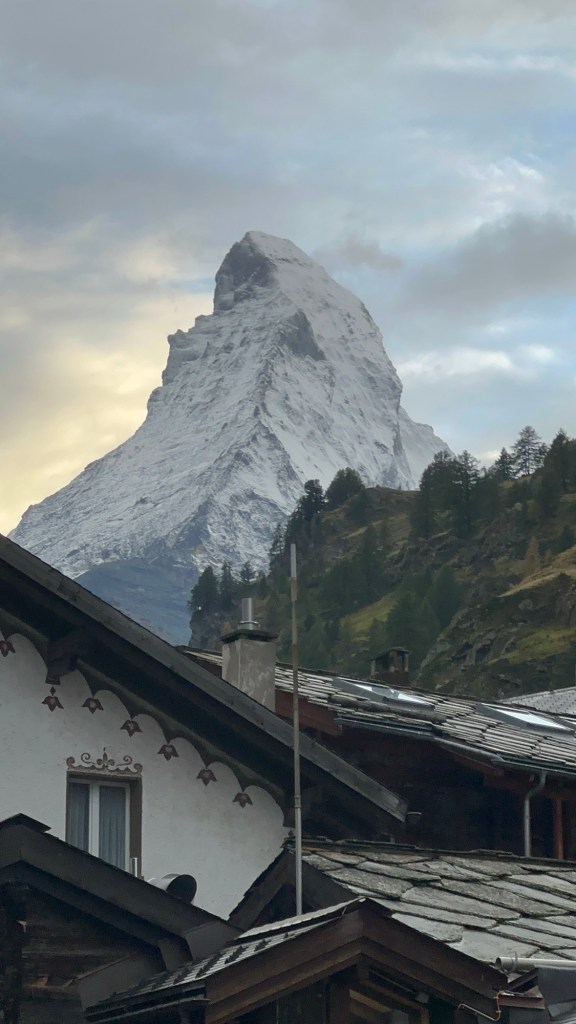
Mountains have long captured the human imagination, standing as silent sentinels that bridge the earth and sky. Their imposing presence evokes a sense of wonder and mystery that transcends cultural boundaries. From the mist-shrouded peaks of the Himalayas to the jagged silhouettes of the Alps, mountains have been revered as sacred spaces, challenging obstacles, and sources of spiritual enlightenment.
Let’s explore the multifaceted significance of mountains, drawing from personal experiences, cultural traditions, and historical perspectives. By examining the role of mountains in various spiritual practices, literature, and modern pursuits, we can gain insight into their enduring impact on the human psyche and our collective cultural heritage.
We’ll journey from the biblical heights of Mount Sinai to the snow-capped peak of Mount Fuji, unraveling the threads that connect our fascination with these geological giants to our deepest spiritual and philosophical questions.
Spiritual and Religious Traditions
Throughout history, mountains have occupied a central place in religious and spiritual traditions worldwide. Their physical elevation seems to mirror a spiritual ascent, creating a tangible connection between the earthly and the divine. This association is perhaps most famously exemplified in the biblical account of Moses ascending Mount Sinai to receive the Ten Commandments, an event that has shaped the spiritual landscape of multiple faiths.
The concept of “Holy Mountains” extends far beyond the Judeo-Christian tradition. In the Philippines, Mount Banahaw stands as a revered site, drawing pilgrims and spiritual seekers who believe in its mystical properties. The mountain’s caves and springs are thought to possess healing powers, and various indigenous groups have long considered it a sacred space for ritual and contemplation.
In the East, mountains play an equally significant role in spiritual practices. Tibetan Buddhism, deeply intertwined with the Himalayan landscape, views mountains as the abodes of deities and the physical manifestation of spiritual concepts. The practice of circumambulating sacred mountains, known as kora, is a fundamental aspect of Tibetan spiritual life, blending physical exertion with meditative focus.
Japan offers its own unique perspective on mountain spirituality through practices like Shugendo, a syncretic tradition that combines elements of Buddhism, Shinto, and local folk beliefs. Shugendo practitioners, known as yamabushi, engage in arduous mountain pilgrimages, viewing the physical challenges of the terrain as a means of spiritual purification and enlightenment.
Perhaps one of the most extreme examples of mountain-based spiritual practice is found in the Tendai school of Buddhism in Japan. The Sennichi Kaihōgyō, or “thousand-day around-the-peaks training,” is an almost unimaginably demanding ascetic practice. Over the course of seven years, practitioners must complete a daily marathon-length route through the mountains surrounding Mount Hiei, regardless of weather conditions. This grueling regimen is seen as a path to enlightenment, pushing the human body and spirit to their limits in pursuit of spiritual awakening.
These diverse traditions highlight the universal appeal of mountains as spaces of spiritual significance. Whether viewed as the dwelling places of gods, conduits for divine communication, or challenging terrain for personal transformation, mountains continue to inspire and shape religious and spiritual practices around the world.
Personal Encounters with Matterhorn and Fuji
My personal journey into the mystique of mountains began in the picturesque town of Zermatt, Switzerland. Nestled at the foot of the iconic Matterhorn, Zermatt embodies the quintessential Alpine charm that has drawn visitors for generations. Upon our arrival, my wife and I were greeted by a veil of clouds that obscured the mountain’s famous silhouette, adding an air of anticipation to our visit.
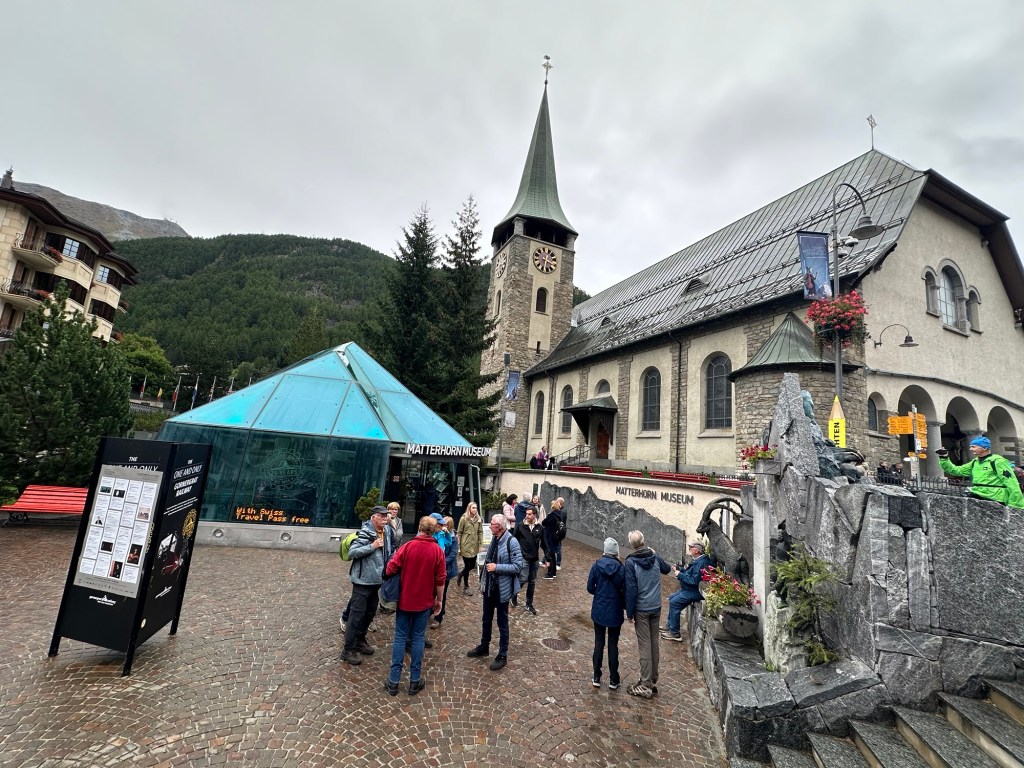
Our first day was spent exploring the town and visiting the Matterhorn Museum, where we immersed ourselves in the rich history and lore surrounding this legendary peak. The museum’s exhibits brought to life the triumphs and tragedies of those who had sought to conquer the mountain, deepening our appreciation for its significance in both local culture and the broader world of alpinism.

As evening approached on our second day, following a cozy dinner at the traditional Restaurant Du Pont, we stepped outside to find the clouds had lifted. There, bathed in the lingering light of the long summer evening, stood the Matterhorn in all its glory. The sight was nothing short of breathtaking – its sharp, pyramidal peak piercing the sky with an almost defiant grace. In that moment, we understood why this single mountain has captivated the imagination of so many, drawing visitors from across the globe to this corner of Switzerland.
Years before our Swiss adventure, we had experienced a similar sense of awe in Japan. Our visit to Fujikawaguchiko, a scenic town at the base of Mount Fuji, offered a striking parallel to our later experience in Zermatt. The landscape surrounding Lake Kawaguchi bore a remarkable resemblance to the Swiss landscapes we would later encounter, despite the stark differences in cultural context.
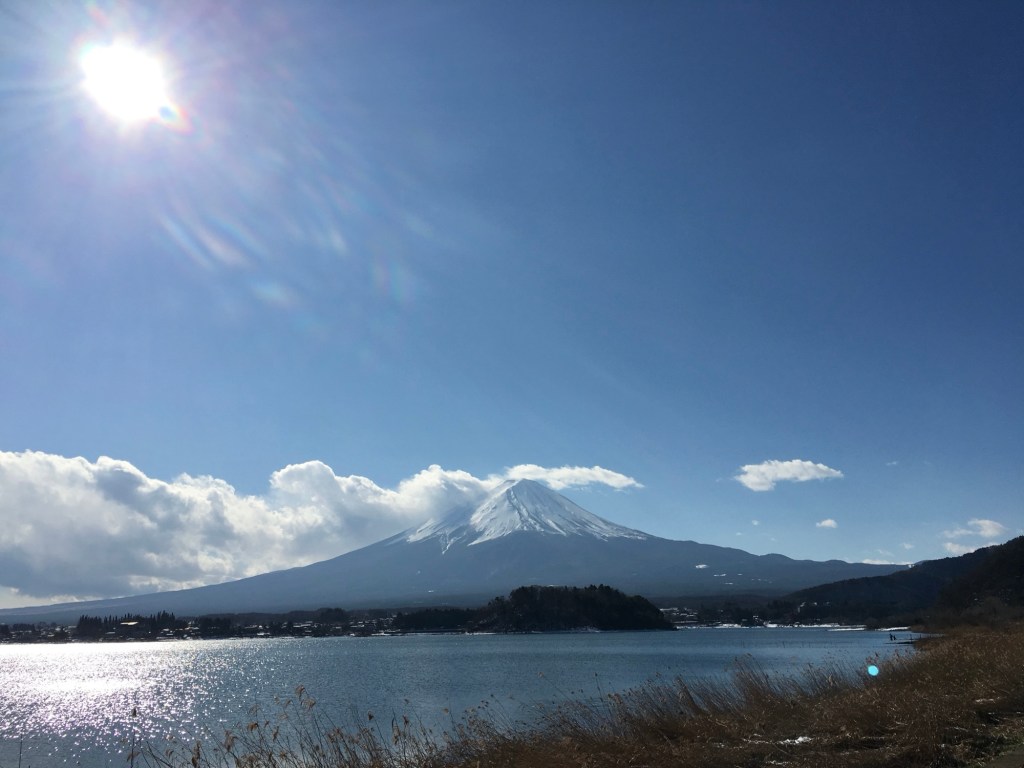
Mount Fuji, with its more gently sloping cone shape, presented a different silhouette from the Matterhorn’s sharp peak. Yet, the emotional impact of seeing this iconic mountain was equally powerful. As we stood on the shores of Lake Kawaguchi, gazing up at Fuji’s snow-capped summit, we felt a similar sense of reverence and wonder to what we would later experience in Switzerland.

The connection between these two experiences was made even more poignant by the discovery of a commemorative plaque in Zermatt, marking the sister city relationship between Zermatt and Fujikawaguchiko. This relationship, born from the shared experience of living in the shadow of iconic mountains, speaks to the universal language of awe and respect that mountains inspire across cultures.

Our encounters with the Matterhorn and Mount Fuji, though separated by thousands of miles, revealed a common thread in the human experience of mountains. Both peaks, in their distinct ways, evoked a sense of the transcendent – a feeling of standing before something greater than ourselves, whether one calls it nature, the divine, or simply the sublime.
The Shape of Awe
The physical form of mountains plays a crucial role in their psychological impact. The Matterhorn’s sharp, almost symmetrical pyramid shape creates a sense of drama and aspiration, its peak seeming to touch the sky. In contrast, Mount Fuji’s more gentle, conical slope evokes a sense of stability and permanence. Despite these differences, both shapes trigger a similar response in the human psyche – a feeling of smallness in the face of nature’s grandeur.
This reaction to mountain landscapes is not merely aesthetic appreciation. It taps into something deeper, a psychological response that many describe as a feeling of awe or even a spiritual experience. The sheer scale of mountains, their age, and their immovability all contribute to this sense of the transcendent.
Standing at the base of a great mountain offers a unique perspective on our place in the world. The towering mass of rock and ice serves as a tangible reminder of the forces that have shaped our planet over millions of years. This long view of time and scale can be both humbling and inspiring, pushing us to consider our own brief existence in the context of geological time.
Moreover, the challenge presented by mountains – the implicit invitation to climb, to explore, to test oneself against their slopes – adds another layer to their psychological impact. Even for those who never attempt to scale their heights, mountains represent possibility, adventure, and the human drive to overcome obstacles.
Perhaps most profoundly, mountains often serve as a kind of mirror for our inner landscapes. The effort required to ascend their slopes, the clarity of the air at higher altitudes, and the expansive views from their summits all lend themselves to introspection and self-discovery. It’s no coincidence that so many spiritual traditions incorporate mountain retreats or pilgrimages as part of their practices.
In this way, the psychological impact of mountains extends far beyond the moment of viewing them. They become catalysts for personal growth, symbols of our aspirations, and touchstones for our most profound experiences of nature and self.
Mountains in Modern Culture
The modern relationship with mountains, particularly in Western culture, has been significantly shaped by the rise of alpinism. What began as a scientific and exploratory endeavor in the 18th and 19th centuries evolved into a sport and a way of life for many. The Alps, with peaks like the Matterhorn, became the proving ground for this new pursuit.
During our visit to the Alpine Museum in Bern, we gained insight into this rich history. The museum’s exhibits chronicled the evolution of climbing techniques, equipment, and the changing motivations of those who sought to conquer the world’s highest peaks. A special exhibit paid tribute to Erhard Loretan, a renowned Swiss alpinist whose life and tragic death on the Grünhorn in 2011 epitomized both the allure and the dangers of high-altitude mountaineering.
The spirit of mountaineering is not confined to the Western world. In Japan, figures like Naomi Uemura have become national heroes for their mountaineering feats. Uemura’s solo ascents of Mount Kilimanjaro, Aconcagua, Mont Blanc, and the Matterhorn captured the imagination of a nation. His participation in the first Japanese expedition to summit Mount Everest in 1970 and the subsequent ill-fated international expedition in 1971 further cemented his legacy.
Uemura’s adventures, which I avidly read about in my youth, went beyond just climbing. His solo walk along his later Arctic expeditions spoke to a broader spirit of exploration and connection with nature that mountains often inspire.
The cultural significance of mountains extends into the realm of literature and philosophy. Thomas Mann’s “The Magic Mountain” uses the setting of a sanatorium in the Swiss Alps as a backdrop for exploring themes of time, progress, and the human condition. While not directly about mountaineering or spirituality, the novel demonstrates how mountain settings can serve as powerful metaphors for human experiences and societal changes.
Other writers and philosophers have used mountains as symbols of challenge, enlightenment, or the sublime. From the Romantic poets who saw in mountains the raw power of nature, to modern environmental writers who view them as bastions of wilderness in an increasingly developed world, mountains continue to occupy a central place in our cultural imagination.
Catalysts for Cultural Fascination
The enduring fascination with mountainous regions is perhaps nowhere more evident than in the global perception of Switzerland. The country’s identity is inextricably linked to its Alpine landscape, attracting millions of visitors each year who come to experience the pristine beauty of its mountains, lakes, and valleys.
This appeal goes beyond mere scenic beauty. There’s a pervasive sense that the Swiss landscape, with its dramatic peaks and serene meadows, must harbor something extraordinary – be it spiritual enlightenment, physical rejuvenation, or simply a deeper connection with nature. This perception has shaped not only tourism but also Switzerland’s cultural exports, from its literature and art to its reputation for precision and quality.
Similarly, Tibet has long captured the world’s imagination as a place of mystery and spiritual significance. The Tibetan plateau, with its high altitude and isolation, has fostered a unique culture deeply intertwined with its mountainous environment. The development of Tibetan Buddhism, with its emphasis on meditation and the transcendence of earthly concerns, seems a natural outgrowth of this austere and breathtaking landscape.
The allure of Tibet as a spiritual destination has only grown in the modern era, despite (or perhaps partly because of) political restrictions on travel to the region. The image of Tibetan monasteries perched on mountain cliffs has become an iconic representation of the search for enlightenment and inner peace.
What these examples illustrate is the powerful connection many people perceive between natural beauty – particularly that of mountains – and spiritual or transcendent experiences. Whether it’s the crisp air of the Alps or the rarified atmosphere of the Himalayas, there seems to be something about mountainous environments that inspires a sense of awe and introspection.
This connection is not merely a modern phenomenon but one that has deep roots in human history and psychology. The challenges presented by mountain environments – the physical effort required to navigate them, the changeable weather, the dramatic vistas – all seem to conspire to shake us out of our everyday mindset and open us to new perspectives and experiences.
Archetypes of Ascent
The concept of ascending a mountain as a metaphor for personal or spiritual growth is nearly universal. This archetype appears in countless cultural and religious traditions, from the biblical account of Moses ascending Mount Sinai to receive divine wisdom, to the Buddhist concept of the middle way, often symbolized by a path between two extremes – much like a trail winding between cliff and chasm.
This symbolic ascent represents more than just physical challenge. It embodies the human striving for betterment, for transcendence of our current limitations. The effort required, the obstacles overcome, and the expanded perspective gained at the summit all parallel the journey of personal development and spiritual enlightenment.
In many cultures, mountains are seen as the axis mundi – the center of the world, connecting heaven and earth. This concept appears in various forms, from Mount Olympus in Greek mythology to Mount Meru in Hindu cosmology. Even in cultures without a specific sacred mountain, the idea of a “cosmic mountain” often exists as a central organizing principle of the universe.
This perception of mountains as cosmic centers speaks to their power in the human imagination. They stand as physical manifestations of our aspirations, our desire to reach beyond our earthly limitations and touch something greater than ourselves.
The sheer physical presence of mountains – their size, their permanence, their indifference to human concerns – often evokes comparisons to divine attributes. Many cultures have viewed mountains as the dwelling places of gods or as gods themselves. This association with the divine imbues mountains with a sense of the omnipotent and omnipresent.
Standing before a great mountain, one can’t help but feel a sense of timelessness. Mountains have witnessed the rise and fall of civilizations, the evolution of species, the slow dance of continents. This vast perspective they offer on time and change mirrors many religious and philosophical concepts of the eternal or the absolute.
The Enduring Magic of Mountains
As we reflect on the myriad ways mountains have shaped human culture, spirituality, and individual experiences, it becomes clear that their significance extends far beyond their physical presence. Mountains serve as powerful symbols in our collective consciousness, embodying our highest aspirations, our deepest fears, and our most profound experiences of the sublime.
From the personal awe I felt gazing at the Matterhorn and Mount Fuji to the centuries-old traditions of mountain worship and the modern pursuits of alpinism and environmental conservation, mountains continue to exert a powerful influence on how we see ourselves and our place in the world.
The “magic power” of mountains lies in their ability to connect us with something larger than ourselves. Whether that connection is understood in terms of spirituality, natural beauty, physical challenge, or simply a shift in perspective, mountains offer us a way to transcend our everyday concerns and touch something timeless and profound.
The allure of mountains is a testament to the human spirit – our need to explore, to challenge ourselves, to seek meaning and transcendence. As long as there are peaks reaching towards the sky, they will continue to call to us, inspiring wonder, respect, and a deep connection to the world around us and the universe beyond.
 Tom’s Blog