Arts, Books & Writing
Browse every article in this topic. Filter by year or month, or search only within Arts, Books & Writing.
Browse this topic
By year
By month
Select a month
Search within Arts, Books & Writing
Articles in this category
-
Why Writing Still Matters
Writing is often treated as a secondary act, something that follows thinking. A thought appears first, and writing merely records it. Yet anyone who…
-
The Quiet Shape of a Mind
People often wonder whether their way of thinking is ordinary or unusual. The question does not arrive all at once. It settles slowly across…
-

The Different Homes of Our Digital Voices
The way we communicate has changed so quickly that many of us still search for a place where our digital voice feels natural. Some…
-

The Inner Epic Hidden in Ordinary Lives
I recently watched the film To Live (1994) and found myself deeply moved by it. The experience began with a simple surprise. I realized…
-

The Third Salon des Indépendants
The late nineteenth century was a moment when painters began to feel the weight of a long tradition that no longer spoke to their…
-

Beyond Complexity, Toward a New Intelligence
The idea of a perfectly rational language carries a certain charm. It promises a world where communication no longer depends on inherited irregularities or…
-

Movement, Freedom, and the Child Within
Modern life surrounds us with instructions. Every field offers a framework, a sequence, a set of approved steps. Movement is no exception. Yoga classes…
-
Dostoevsky, Hemingway, and the Paradox of Talkativeness
Readers encountering Dostoevsky for the first time often notice the overwhelming length of his paragraphs and the unrestrained flow of his conversations. Characters speak…
-

The Sound That Settles the Heart
There are moments in childhood that arrive quietly without announcing their importance. They do not come with ceremony or dramatic music. They come in…
-
The Fortunate Age of Expression
We live in a time that earlier generations could hardly imagine. With a single device, we can write, record, publish, and share our thoughts…
-

Rediscovering the Act of Thought
Writing has always been at the center of my creative life. It is not only a means of expression but also a way of…
-
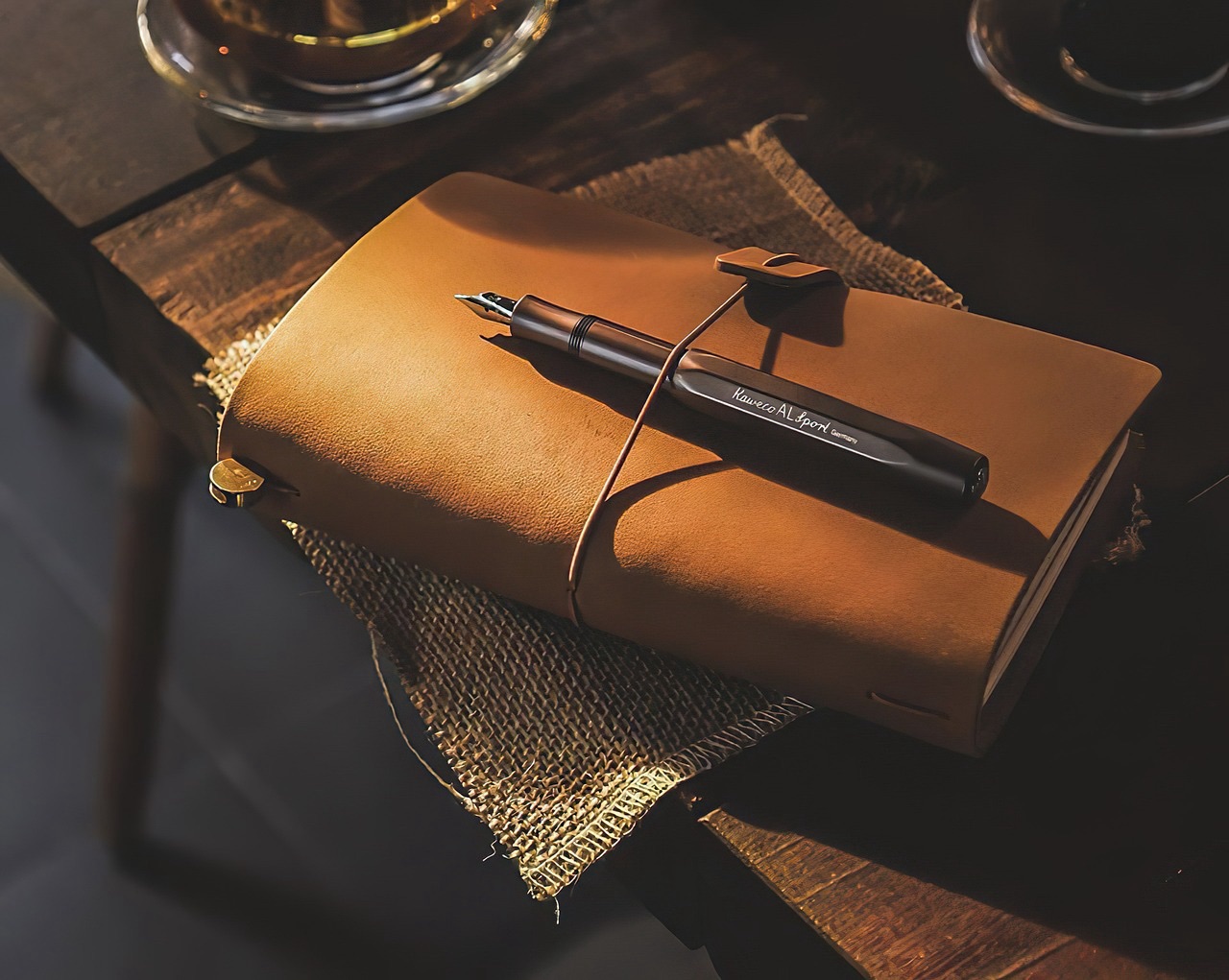
Why the Personal Blog Still Matters
For many, the personal blog now feels like an artifact from another era, something quaint that belongs to the slower internet of the early…