
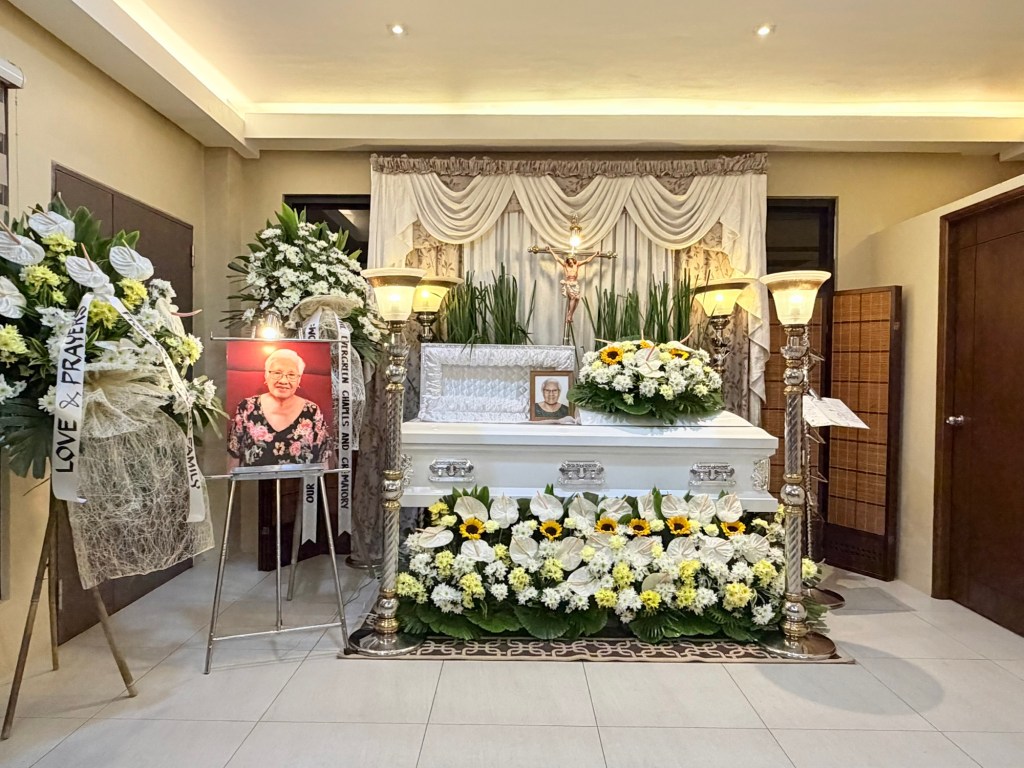
The past month did not feel like a normal stretch of days. It did not move forward in a straight line. It thickened. Time became dense. A single week could hold what usually belongs to a season. Hospital rooms, late-night conversations, prayers, phone calls, wakes, processions, and quiet moments at home blended into a single extended present.
From late December into January, ordinary life continued on the surface. Work meetings happened. Messages were answered. Daily routines tried to reassert themselves. Yet underneath, everything was being reorganized around one central fact. Someone we loved was slowly moving toward the end of her life.
This double life of normality and vigil is one of the strangest features of prolonged illness. You learn to live in two clocks at once. One measures tasks, schedules, and obligations. The other measures breath, visits, updates, and the quiet waiting that has no clear end time. The two clocks coexist, but they do not agree with each other. One pushes forward. The other stretches and slows.
My mother-in-law (Nanay)’s hospitalization after her stroke and fractured hip marked the beginning of this altered time. The hospital introduced its own rhythms. Rounds. Tests. Waiting. Hope that rises. Hope that softens. Days that feel long. Nights that feel longer. The calendar continued to turn, but the sense of progression was suspended. You begin to realize that waiting itself becomes a form of work. Not passive waiting, but a kind of attention that keeps returning to the same question. How is she now.
In this suspended time, the mind keeps trying to plan while the body knows it cannot. You make mental lists. You imagine possible outcomes. You try to prepare for what you cannot truly prepare for. Over time, this tension itself becomes exhausting. The future feels both urgent and strangely distant. Everything important is happening in the present, yet the present keeps changing shape.
This was the emotional and temporal landscape of the month. Before theology, before tradition, before reflection, there was this basic fact. Time had changed its texture. It had become thick. And inside that thickness, presence became more important than progress.
From Cure to Accompaniment
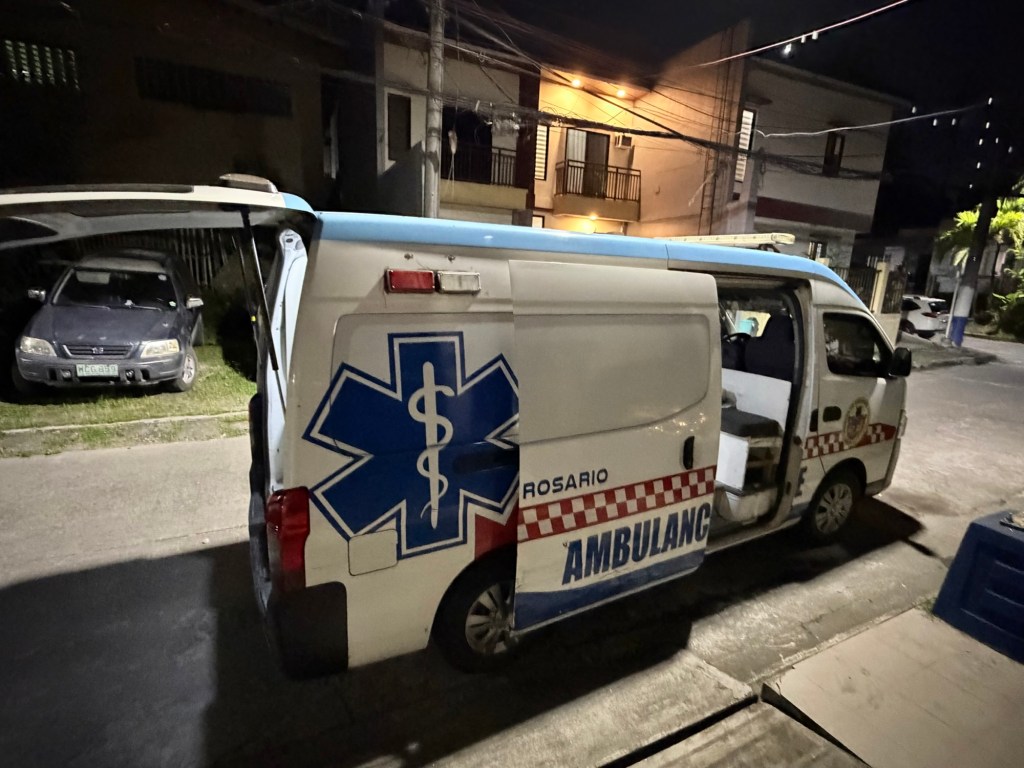
There is a moment when the logic of cure quietly gives way to a different kind of attention. It does not arrive with an announcement. It comes as a subtle shift in the air of the room. The questions change. Not how to fix, but how to be with.
For Nanay, that moment came when she was able to return home for hospice care. After weeks of hospital routines, alarms, and clinical rhythms, the home felt like another world. The walls were familiar. The sounds were human. The pace was slower. The body was no longer the central project. The relationships were.
Hospice is often misunderstood as a kind of surrender. What I witnessed felt less like giving up and more like returning something to its proper place. Control loosened. Schedules softened. The goal was no longer to extend function at all costs. The goal became presence. Who was there. How she was held. What kind of atmosphere surrounded her.
In those final days, the house became a sacred space in a quiet way. Children and relatives came and went. Conversations happened in low voices. Laughter appeared unexpectedly. There were moments of fatigue and moments of tenderness. The body was weakening, but the relational world was, in a strange way, growing stronger.
What stayed with me most was how different this felt from the hospital. In the hospital, time is segmented. Visiting hours. Rounds. Shifts. In hospice at home, time becomes continuous. There is no sharp boundary between care and life. Eating, resting, praying, talking, and sitting in silence all belong to the same flow.
Nanay was no longer surrounded primarily by machines. She was surrounded by people. By touch. By familiar voices. By the small rituals of home. These things do not show up on charts. Yet they are deeply real. They are forms of care that no technology can replace.
Those two final days were not dramatic. There was no cinematic moment. There was a gradual softening. A gentle diminishing. A sense that the body was slowly releasing its hold, while the family held on in a different way. It felt less like a battle and more like a transition.
Hospice revealed something important. It is not only about managing pain. It is about allowing a person to complete their life within the web of their relationships. It is about letting the end of life belong to the home, not only to the institution.
The Hidden Economy of Care
Much of what sustains the elderly does not appear in official systems. It does not show up clearly in hospital charts, insurance statements, or policy discussions. Yet it is real. It is labor. It is emotional weight. It is time, attention, and the quiet reorganization of entire lives around someone who can no longer live independently.
When we brought remaining diapers and enteral nutrition formula to help another family caring for a bedridden parent, it felt like a small gesture. But in that smallness, something larger became visible. What once was for Nanay now became part of another family’s daily struggle. Care does not end with one death. It moves. It circulates. It is passed along like a shared burden that communities learn to carry together.
This is an economy, but not one that runs on money alone. It runs on availability. On who can take time off. On who lives nearby. On who has the emotional capacity to stay present. On who absorbs the slow erosion of energy that long-term care demands. These costs are real, even when they are not formally recognized.
Children and loved ones often enter this economy without a clear decision. There is no formal contract. The obligation emerges naturally from love, duty, and family bonds. Over time, what begins as a temporary arrangement becomes a long season of life shaped around caregiving. Careers are adjusted. Schedules are bent. Social lives shrink. The caregiver’s identity quietly shifts.
What makes this especially difficult is that this labor is rarely named as labor. It is framed as natural. As what a good child does. As what family means. There is truth in this. But there is also a danger. When care is treated as morally obvious, its weight becomes invisible. Exhaustion is normalized. Burnout is hidden. The emotional cost is absorbed privately.
Modern systems are designed to treat patients. They are not designed to accompany caregivers. The emotional and moral labor of caregiving is treated as external to the system, even though it is essential to the system functioning at all. In this sense, the hidden economy of care is a form of unpaid infrastructure. Hospitals rely on it. Long-term care depends on it. Yet it remains largely unspoken.
At the same time, this economy also produces unexpected forms of solidarity. Supplies are shared. Stories are exchanged. Quiet advice is given. One family recognizes another walking the same road. In these moments, care becomes communal, even if it remains heavy.
Reflecting on this, it became clear how little modern culture prepares people for this phase of life. We prepare for careers. We prepare for retirement. We prepare for financial planning. We rarely prepare for years of caregiving. Yet for many families, this becomes one of the most defining seasons of adulthood.
Folk Catholicism
In theological textbooks, Catholicism is often described through doctrines, councils, and official liturgical structures. What I encountered during Pasiyam (nine days of prayer) and the wake belongs to a different layer of the church. It is not primarily written. It is embodied. It lives in homes, in voices, in repeated gestures that carry memory across generations.
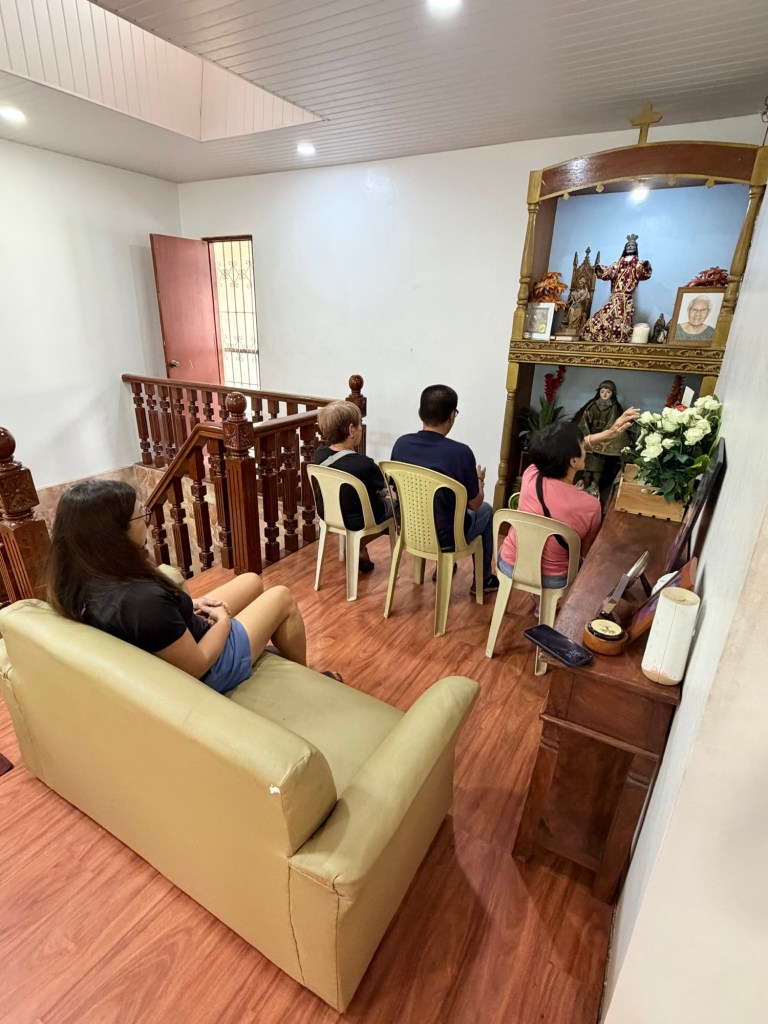
This is often labeled folk Catholicism or indigenous Catholicism. The term can sound marginal, as if it refers to something secondary or informal. What I witnessed was not a diluted version of faith. It was a dense and practiced form of tradition, shaped by history, colonial encounter, local culture, and decades of communal life.
The home altar is a small theology in physical form. Images of the Santo Niño, the Black Nazarene, and other saints do not function as decoration. They organize space. They quietly teach what matters. They make the home a place where prayer is not an event, but a background condition of daily life.
During Pasiyam, elders and experienced lay leaders step into roles that no formal training program could easily replicate. Many have memorized prayers and responses through years of repetition. They carry the liturgy in their bodies. Their voices know the rhythm. Their pauses know when grief needs space and when prayer needs to carry the room.
In this sense, they are custodians of spiritual memory. They remember by doing. They remember by leading. They remember by showing up night after night, not as performers, but as neighbors who have inherited a responsibility that is both spiritual and social.
What struck me is how much this system depends on continuity rather than innovation. The prayers sound familiar. The structure is predictable. The repetition is the point. Memory is not stored in texts alone. It is stored in bodies that have prayed the same words for decades.
This tradition is not fragile. It is resilient. It is faith as infrastructure. It is the unseen architecture that allows a community to survive repeated losses without losing its capacity to gather, to pray, and to remember.
The Wake as a Social and Existential Commons
A wake is not only a place for mourning. It is a temporary commons. People arrive not according to schedule, but according to memory, obligation, affection, and chance. The room fills and empties in waves. Groups overlap. Conversations begin and end without formal closure. Time behaves differently here.
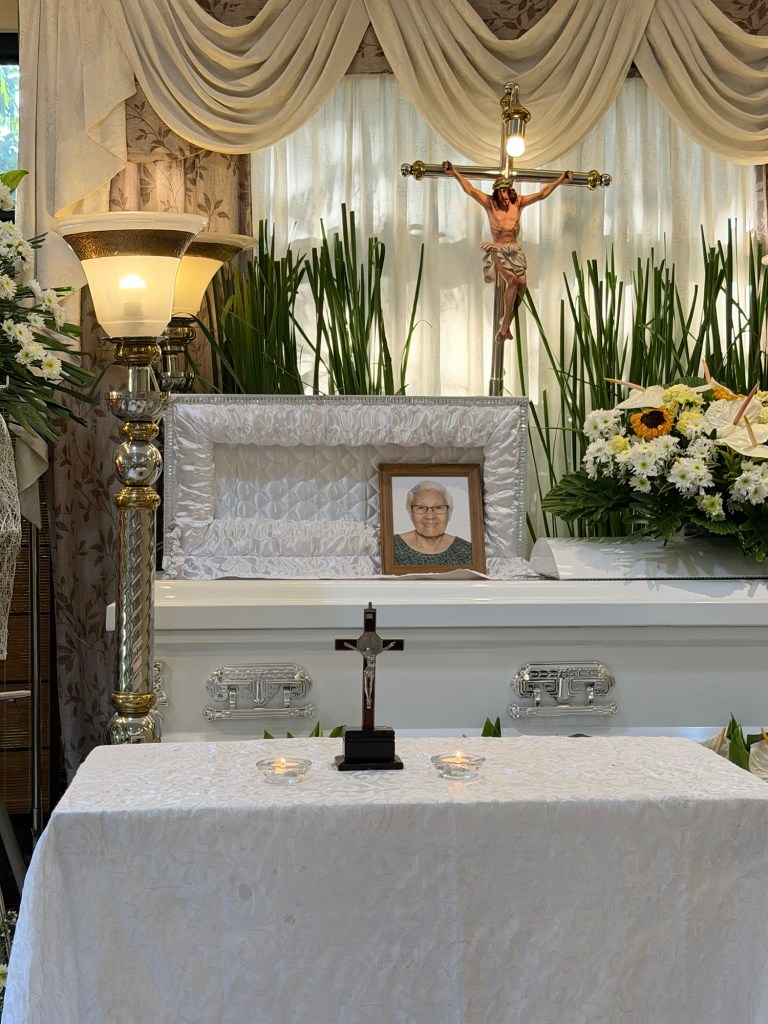
In the Filipino context, the wake becomes a kind of social architecture. There is no sharp boundary between family and community. Neighbors, relatives, old friends, church members, and distant connections all move through the same space. The dead person becomes a point of convergence. Around that still center, life continues to circulate.
One of the most striking traditions is the way visitors are not formally seen off. There is no ceremonial goodbye at the door. People drift away when they need to. This creates space for long, unplanned conversations. Without the pressure of closure, stories stretch. Silences are allowed. A quick visit becomes an hour. An hour becomes an evening.
In this space, sorrow and ordinary life sit side by side. News of loss lives alongside news of birthdays, studies, careers, and daily life. Someone laughs unexpectedly. Someone else begins to cry. None of this feels inappropriate. It feels human.
The wake becomes a place where grief is redistributed. It is not carried by one household alone. It is carried across many shoulders, many conversations, many quiet acts of showing up. Slow time is not a flaw here. It is a form of care.
Procession, Burial, and Scripture
There is something different about walking behind a coffin. It slows the body. It changes the rhythm of breath. Each step becomes deliberate. The distance is no longer measured in meters or minutes. It is measured in farewell.
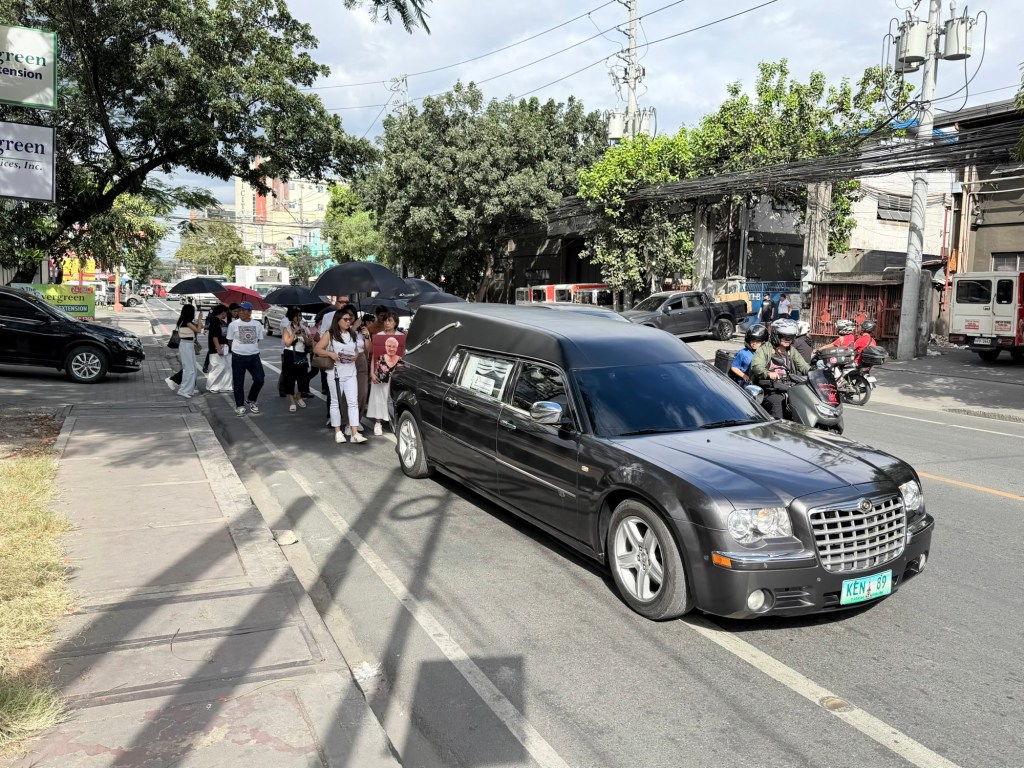
Procession turns death into something shared. The road becomes part of the ritual. The body is carried through familiar streets. The sacred does not remove death from daily life. It brings death into it, and in doing so, it changes how those streets are remembered.
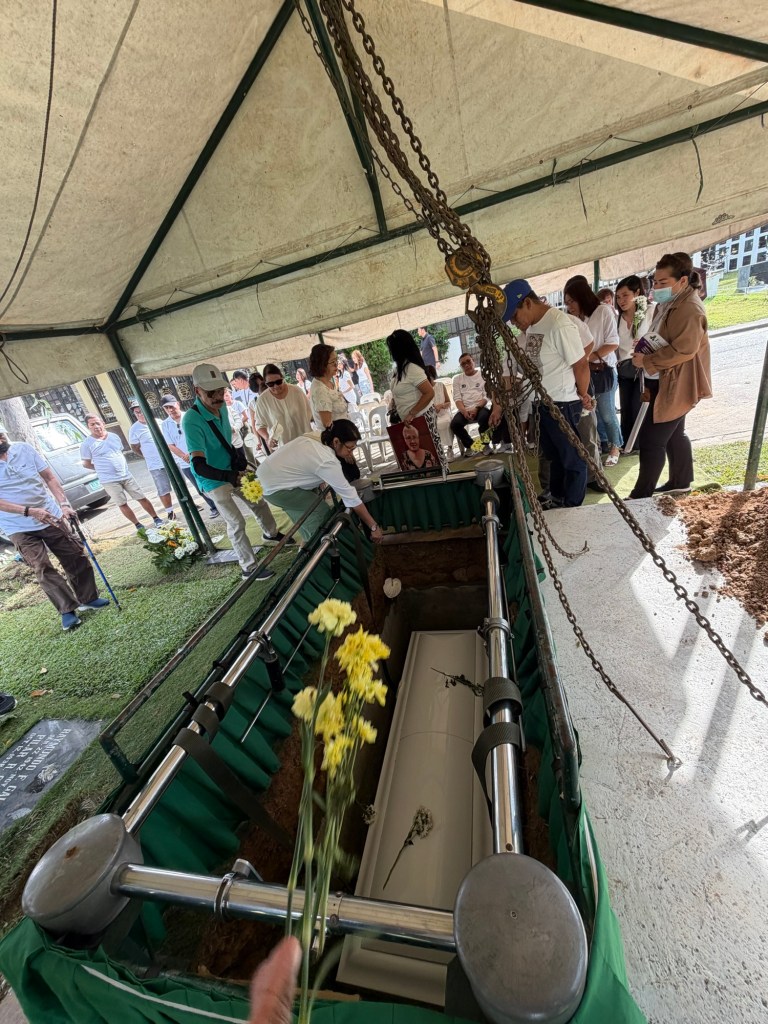
At the cemetery, burial becomes placement rather than disposal. The body is placed into the earth as an act of trust. Trust that this is not simply an ending, but a return. Trust that the physical world can hold what the living can no longer carry.
In this space, Scripture changes its character. At Nanay’s Mass, the Gospel of John was read, where Jesus speaks to Martha after the death of her brother. “I am the resurrection and the life.” In a funeral, these words are not abstract. They are placed into a room with a body, a grieving family, and a death that is no longer theoretical.
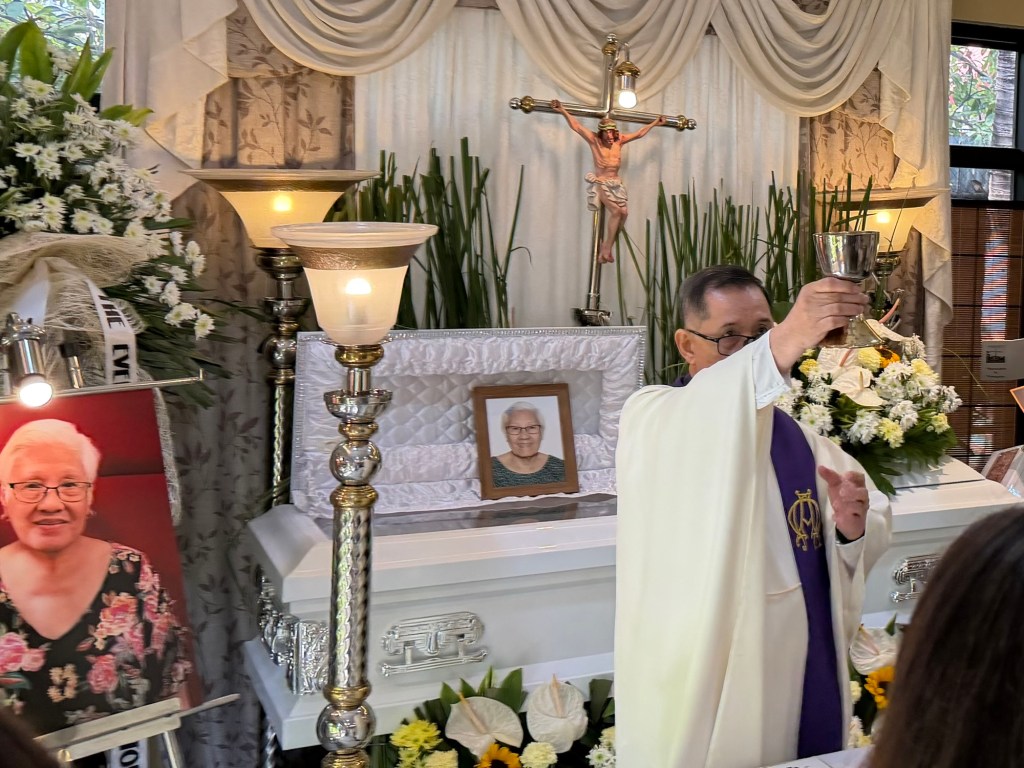
Scripture does not rush grief away. It does not deny loss. It places loss inside a larger horizon. It gives language to hope without requiring the heart to feel hopeful in that moment. The words carry hope on behalf of those who are too tired to carry it themselves.
Here, theology is embodied. It is walked. It is stood. It is lowered into the ground with hands, ropes, and soil. Faith is not only believed. It is enacted.
Three Funerals, One Education
Walking through death once is an event. Walking through it multiple times becomes a form of education. Not an education that comes with certificates or clear conclusions, but one that slowly reshapes how a person sees time, responsibility, and what it means to belong to a family.
Before Nanay, there was my father-in-law. Then there was my wife’s sister. Each loss carried its own story and pain. Taken together, they formed a pattern. These practices are not designed only for first-time mourners. They are designed for communities that know they will walk this path again and again.
Repetition does not make death easier. It makes it more intelligible. The shock softens, but the weight remains. There is a growing competence in knowing how to inhabit grief. Where to sit. When to speak. When to remain silent. How to help without being asked.
This education is cumulative. It reshapes identity. It makes future caregiving demands more visible. It quietly teaches that adulthood is not formed only by professional success or intellectual achievement, but by learning how to accompany others through their most vulnerable seasons.
In this sense, grief becomes a teacher. Not a gentle one. But a faithful one.
Where Medicine Ends and Love Continues
Modern medicine is one of the great achievements of our age. It extends life. It relieves pain. It restores function in ways that previous generations could not imagine. For this, it deserves deep gratitude.
And yet, there is a place where medicine reaches its natural boundary. Not because it fails, but because the human story does not end where medical capability ends. Life is more than biological continuation. It is relationship. It is memory. It is belonging.
What carried Nanay in her final days was not only treatment. It was presence. It was home. It was touch. It was prayer. These are not medical interventions. They are human ones.
Traditions like Pasiyam, the wake, procession, and burial do not add days to a life. They add meaning to death. They allow a community to carry loss in a way that does not isolate. They keep death human.
If we imagine a future built only on technical solutions, we risk building a world where bodies are maintained but relationships are thinned. The deepest work at the end of life is not technical. It is relational. It is spiritual. It is cultural. It is slow.
Nanay’s passing did not offer neat closure. There is memory. There is gratitude. There is ongoing absence. There is faith that holds what cannot be proven. There is love that continues to express itself in new ways.
Where medicine ends, love does not. It changes form. It becomes memory, prayer, presence, and responsibility. It becomes the quiet commitment to carry forward what the dead can no longer carry themselves.
This is not a sentimental truth. It is a demanding one. But it is also a hopeful one. It reminds us that even in the face of death, the most human capacities, to love, to remember, to stay, to accompany, remain alive.
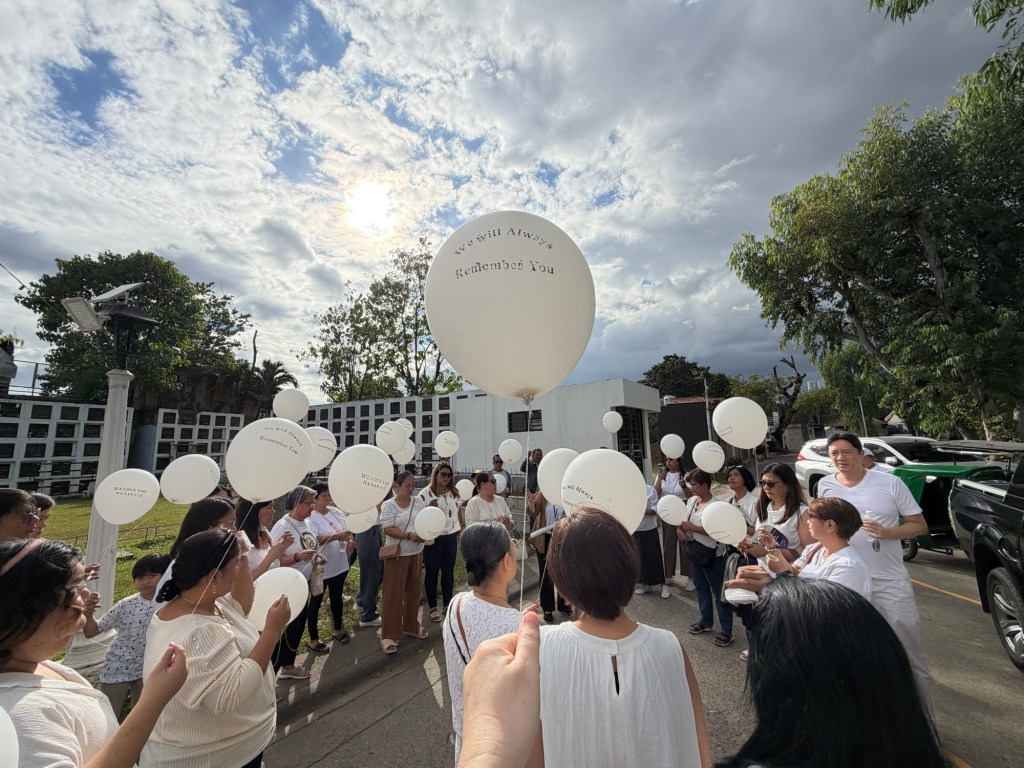
This is what Nanay’s passing taught me most clearly. That the final measure of a life is not how long the body endured, but how deeply that life became woven into the lives of others. That weaving does not unravel at death. It changes pattern. It continues.
Image: Pictures captured by the author
 Tom’s Blog
So beautifully written blog about the spirit of human life.
My prayers are included for all that participated in the life of your mother-in-law.
Rest in peace my sister in Christ
LikeLiked by 1 person
Thank you for your kind words and prayers. We are very grateful. 🙏 😊
LikeLike