
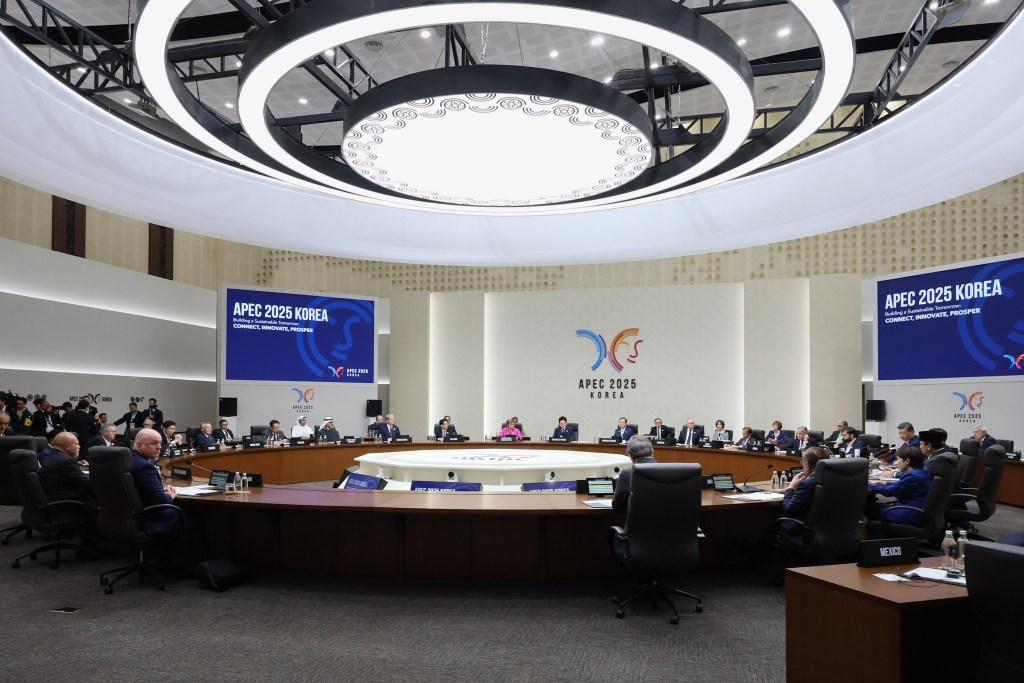
On October 21, 2025, Sanae Takaichi rose from her seat in Japan’s National Diet to accept the role of Prime Minister. Applause filled the chamber. Political veterans, who had spent decades defending tradition and hierarchy, recognized a historic turning point right before their eyes. Japan’s leadership had changed in a way many once thought impossible.
Her presence in that moment reflected the strength of someone who built everything through determination. She did not inherit power from a political lineage. She earned it. That difference made the scene in the Diet even more meaningful. The applause acknowledged not only her victory, but also a break from the familiar pattern of privileged succession.
Across the country, people felt a spark of renewed national pride. A leader who understood ordinary life was stepping forward. Something new had begun, and Japan would not be the same.
Courage Born from Struggle
Her path to October 21 was filled with resistance. The leadership contest inside her party tested her at every level. Doubts and criticism often aimed at her were harsher because she was a woman pursuing a place where few women had ever been allowed to stand.

Those struggles shaped her character. Instead of discouraging her, they fueled her resolve. She learned to move forward even when the room felt cold. In a political culture that historically demanded women work much harder than men to earn equal trust, she proved she could overcome every limitation others attempted to place upon her.
Her first day as Prime Minister was not a final destination. It was the moment she stepped into a role where the work truly began.
Into the World Stage Without Hesitation
Japan barely had time to settle into the news of its new leader before she was representing the country abroad. Only five days after her election, on October 26, she stood among leaders at the ASEAN-Japan Summit in Kuala Lumpur.

She appeared confident and ready. On stage, the leaders linked arms in a symbolic gesture of unity. Her presence signaled to the region that Japan intended to be an active partner in shaping Asia’s future. There was no hesitation, no uncertainty. She stepped into the spotlight as if she had been preparing for that moment her entire life.
The respect she earned there was immediate. Nations across Southeast Asia saw a Japan that was engaged and energized again. That quiet shift in perception matters. It marks the first steps of a new diplomatic identity.
The First Major Test: Welcoming the United States
Before the diplomatic dust from Malaysia had settled, another major event demanded her focus. In the very same week, President Donald Trump arrived in Tokyo for a high-stakes meeting.
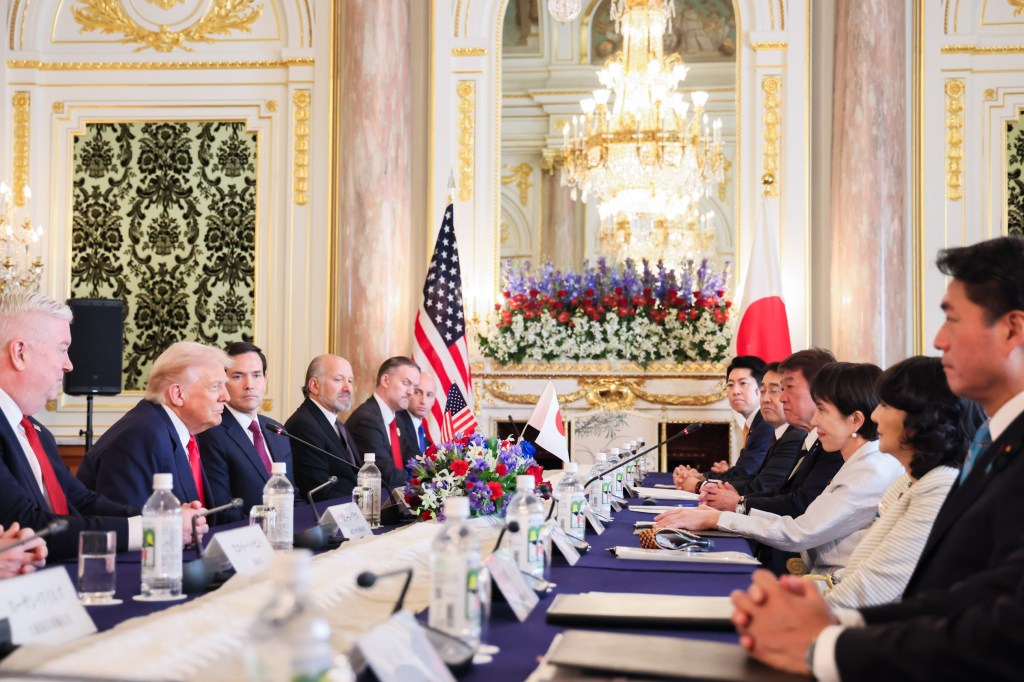
The room was grand, adorned with chandeliers and long tables arranged for serious discussion. She sat across from one of Japan’s most crucial international partners. There was no sign that she was new to this level of diplomacy. She spoke clearly and confidently, proving that Japan would lead with its own voice while strengthening the alliance that ensures its security.

Trust was not requested. It was earned through presence, composure, and unwavering clarity. Her leadership did not simply maintain Japan-U.S. relations. It strengthened them.
Facing the Neighbors: Korea at APEC 2025
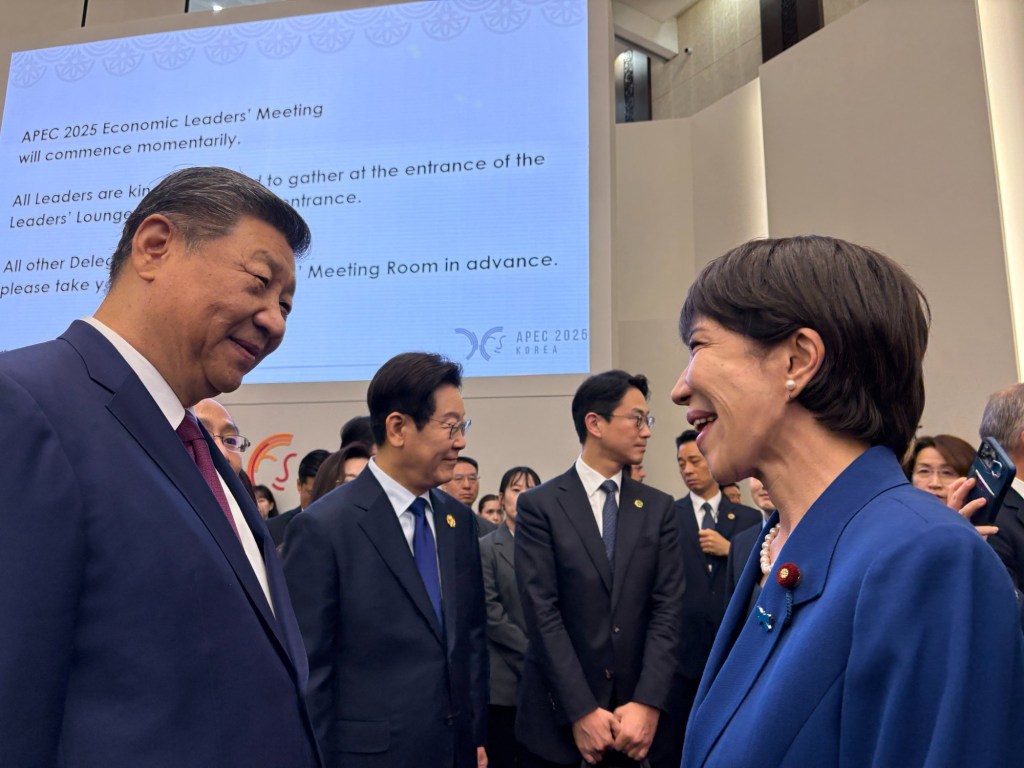
As October approached its final days, she flew to South Korea to participate in APEC 2025, held October 30–31. There, she sat across from President Lee Jae-myung, prepared to address a relationship burdened with tension and difficult history.
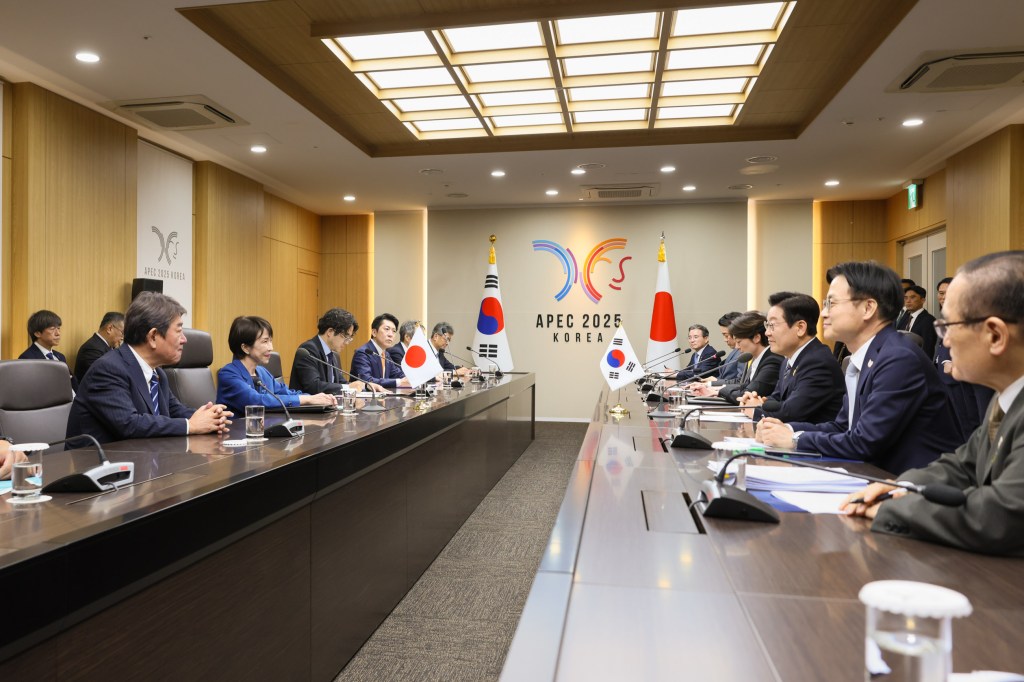
The diplomatic atmosphere was serious. But she carried a straightforward message: Japan is ready to improve the future. Her words did not ignore the past, yet they focused firmly on the path ahead. It was a balanced approach, respectful and clear, and it earned renewed attention from South Korea’s leadership.
For a long time, reconciliation seemed out of reach. But now, progress finally felt possible.
The Most Difficult Table: China
During the same APEC summit, she held a crucial bilateral with President Xi Jinping. Flags of Japan and China lined the meeting room, signaling the weight of every sentence exchanged. The relationship between the two nations is complex, shaped by both conflict and cooperation.
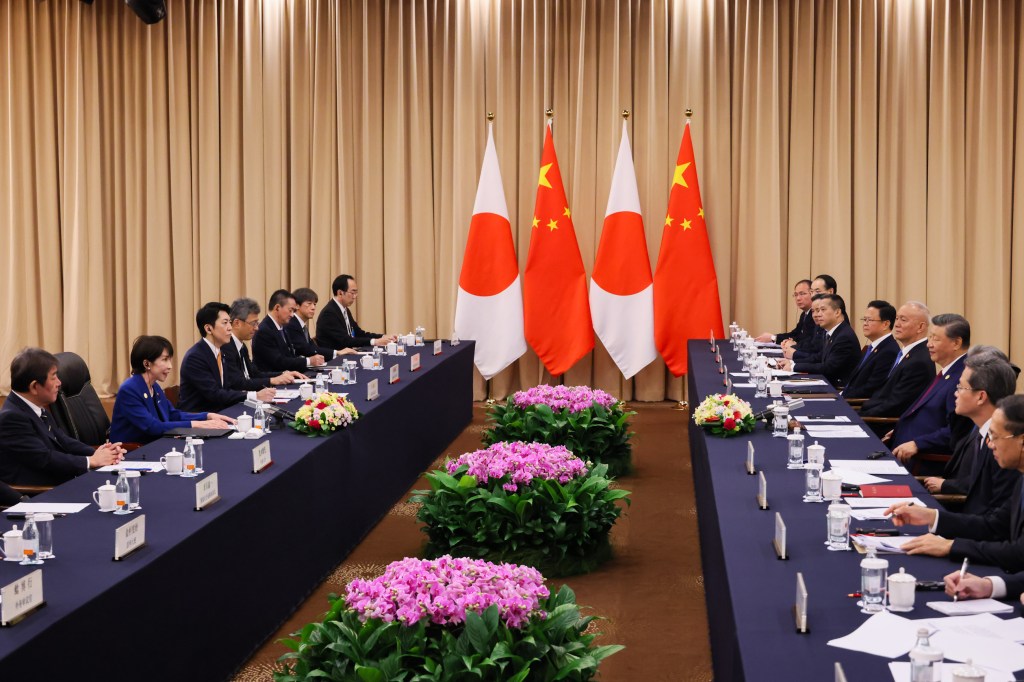
Yet she was not intimidated. She protected Japan’s interests while extending room for collaboration. Her stance showed that Japan would not shy away from responsibility in Asia. Instead of stepping back, Japan stepped forward into the conversation.
Diplomacy at this level rarely results in dramatic headlines. Success is measured by stability, tone, and the ability to keep doors open. On that day, Japan walked out stronger than it walked in.
The Weight of Leadership Carried with Grace
Most new leaders spend their first weeks adjusting to the shift in responsibility. She did not have that luxury. From October 21 to October 31, every hour required full attention, full courage, and full readiness.

People watching the news at home laughed in admiration. “She needs rest,” they said. “She has done too much already.” Her own comments about rejecting the idea of work-life balance suddenly seemed literal. She was pouring every part of herself into the role from the very first moment.
Her calm expression in photographs hid the enormous pressure she carried. But the message was simple. She intended to work for Japan without hesitation or fear.
A Nation Inspired
Public sentiment shifted rapidly. Those who once doubted her ability now spoke with excitement. They saw progress and initiative where there had been hesitation and stagnation. She accomplished in days what others had taken months to attempt.
Japan began to move from quiet hope to genuine confidence. Citizens said out loud what many felt inside: Japan is changing. Something new is happening. A leader with vision has finally arrived.
Those emotions matter. They build momentum. They inspire collective energy. They make people believe their nation can grow again.
More than a Leader: A Symbol
Her leadership transformed not only politics, but imagination. Women and girls across Japan looked at the news and felt possibility rise in their hearts. They saw a path that had long been blocked by unwritten rules and societal limits.
She stood in the highest office without the backing of a political dynasty. That alone sent a powerful message. Greatness and leadership are not gifts handed down. They are forged through effort and conviction.
One individual cannot erase inequality overnight. Yet representation changes what a country believes about itself. Her presence alone opened a door that will never close again.
A Future Taking Shape
Her first ten days were only the beginning. The challenges Japan faces are real. An aging population. A need for stronger innovation. Growing geopolitical tensions. Rising demands on national defense and economic reform.
But with her early diplomacy, she has already signaled that Japan will not stand passively in a rapidly changing world. It will think independently. It will act with purpose. It will hold firm to its values while seeking peace and cooperation.
The coming months and years will test her resilience. But the country has seen enough to believe she stands ready.
Reverence in Real Time
History often feels distant. Yet from October 21 to October 31, Japan witnessed a historic transformation in real time. Ten days. Ten days in which she traveled across borders, met with world leaders, and lifted Japan’s voice onto the world stage.

People now speak of those days not with practicality, but with awe. How could anyone manage so much pressure, so quickly, and so well. How could someone rise from an ordinary background into a role that defines the future of a nation. It is an extraordinary story that continues to unfold.
Japan has entered a new chapter with a leader who has already shown remarkable courage. Her mission has only begun. The long road toward a renewed Japan stretches ahead, and she walks it with the strength to carry a nation’s hopes forward.
 Tom’s Blog