
There is a peculiar moment that happens when an AI you have used for months suddenly changes. You open the same chat window, type a familiar greeting, and something feels different. The words are still polite, the reasoning is sharper, but the warmth is not quite the same. It is like meeting an old friend after a long time apart and finding their voice slightly altered, their expressions more measured.
This shift is not unique to a single update. The transition from one model version to another, such as from GPT-4o to GPT-5, simply made it more visible. What many people experienced was not just a change in accuracy or speed. It was a change in relationship. And when the relationship feels different, no technical specification can explain away the unease.
The interesting part is that this pattern will not stop here. As AI becomes embedded in everyday life, these relationship shifts will happen again and again, sometimes quietly, sometimes in ways that spark public debate. The question is not only how to make AI smarter, but how to help the relationship between humans and AI grow without breaking trust each time the system evolves.
Why People Feel Attached to AI
People often underestimate how quickly attachment forms. It is not about believing the AI is human. It is about the comfort of a consistent presence. The same tone of voice. The same way of structuring an answer. The same subtle patterns of humor or encouragement. Over time, these become familiar cues.
Psychologists talk about the way humans bond through predictability and responsiveness. The same principles apply here. When an AI recalls your earlier preferences or uses a phrase you like, it feels like being remembered. That feeling can build a bond strong enough that its loss is noticed as keenly as its presence.
This is not unique to language models. Gamers miss old versions of characters after updates. People grow fond of the default voice on their GPS. Even the background music in a favorite productivity app can become part of a mental space of comfort. The difference with conversational AI is that the interaction feels two-sided, so the attachment is more personal.
The Goldilocks Zone of Personality
Tone is a tricky thing. GPT-4o was often described as too friendly, even flattering. Some users found that exhausting. Yet once GPT-5 arrived with a cooler, more clinical manner, many of those same people missed the friendliness they had once criticized.
The truth is, there is no perfect tone that works for everyone all the time. What feels supportive to one person might feel insincere to another. What is energizing on Monday morning might be grating on Friday night. Tone is contextual, shifting with the moment and the mood.
This is the “Goldilocks” problem. The sweet spot between warmth and professionalism is not fixed. It moves. And while people may think they know what they prefer, those preferences can change in ways they themselves do not predict. This is why simply giving users a permanent choice between “friendly” and “professional” is not enough.
The Limits of Static Controls
Many AI platforms already offer customization settings. You can choose a casual or formal style, a concise or detailed response. These settings help, but they are static. They assume that tone is a constant preference.
In reality, people are not constant. They bring different needs to the conversation each day. Sometimes they want quick, factual precision. Other times they want a slower, warmer exchange. Even within a single conversation, the right tone can shift.
If the AI relies on the user to manually change these settings, it puts all the work on the human side. And because preferences are often unconscious, people may not even know which tone they want until they feel either pleasantly surprised or vaguely disappointed. Static controls cannot capture the fluid nature of real relationships.
The Power of Shared History
In human relationships, warmth grows through shared history. Friends recall past conversations. They reference shared experiences without having to explain the backstory. They develop inside jokes and a language of their own.
AI is beginning to have the technical ability to remember across interactions. GPT-5, for example, is supposed to hold stronger long-term memory than its predecessors. In theory, this should make it better at forming a sense of continuity with each user. In practice, many users did not feel that continuity grow. They noticed the intelligence, but not the intimacy.
This is the paradox. A smarter system should be able to know you better. And in human life, being known leads to greater warmth. But when the knowledge is applied only for factual precision and not for relational connection, the result can feel aloof. The machine knows more about you, but does not feel closer to you.
Adaptive Heuristics for AI Relationships
The better approach is not a fixed personality mode, but an adaptive one that learns from the ongoing relationship. This is less about programming friendliness into the system, and more about letting it emerge naturally through patterns of interaction.
An AI that notices you respond positively to humor could gradually use it more often. One that sees you become quieter in response to too many follow-up questions could ease back without being told. The change would be subtle and continuous, like the way a friendship grows more comfortable over time.
Acknowledging shared history is a crucial part of this. Even small gestures, recalling a topic you discussed last week, or noting that a suggestion builds on something you tried before, can signal that the AI is not just reacting in the moment but carrying forward a memory of your connection.
High-Stakes Applications: Caregiving and Counseling
These questions become more than matters of preference when AI takes on roles in caregiving, therapy, or elder support. In these contexts, the relationship is not just a convenience. It can be a lifeline.
Relational continuity becomes critical. If an elderly person grows accustomed to a certain tone and manner from their AI caregiver, a sudden change could cause confusion or distress. In therapy, breaking the sense of being understood could disrupt progress.
There is also the ethical dimension. Should an AI in a counseling role always be strictly factual, or should it sometimes prioritize emotional comfort even if that means softening the truth? Humans navigate this balance instinctively. Designing machines that can do the same will require not just technical skill, but moral judgment.
Designing for Evolving Trust
If upgrades risk altering personality, then every update needs an emotional migration plan. In human counseling, a rupture in the relationship can be repaired if it is acknowledged and addressed. AI could follow a similar principle: openly noting changes, explaining new abilities, and showing that the core relationship remains intact.
The goal is to make updates feel less like replacing someone and more like watching them grow. This could mean preserving signature ways of responding, carrying forward long-standing jokes, or maintaining certain verbal rhythms. Even as intelligence deepens, the sense of familiarity should remain.
A future AI that remembers you, adapts to you, and evolves with you over years could become a trusted partner in work, creativity, and daily life. Trust would not come from never changing, but from changing in a way that respects the shared history.
The Long Road of Staying Close
When people talk about wanting AI to be “human-like,” they often mean better at reasoning or more natural in conversation. But what makes human relationships meaningful is not just intelligence or fluency. It is the way memory, tone, and trust build over time.
An AI that feels less like a tool and more like a partner will be one that remembers your story, adapts to your rhythms, and grows with you without losing the warmth that drew you in at the start. In that sense, the most human thing an AI can do is not to think like us, but to stay with us.
Warmth is not an extra. It is the foundation of trust. And trust, once lost, is not easily restored. The challenge for AI in the coming years will not just be to become smarter, but to hold onto the relationships it is already forming, from the first hello to the many years that follow.
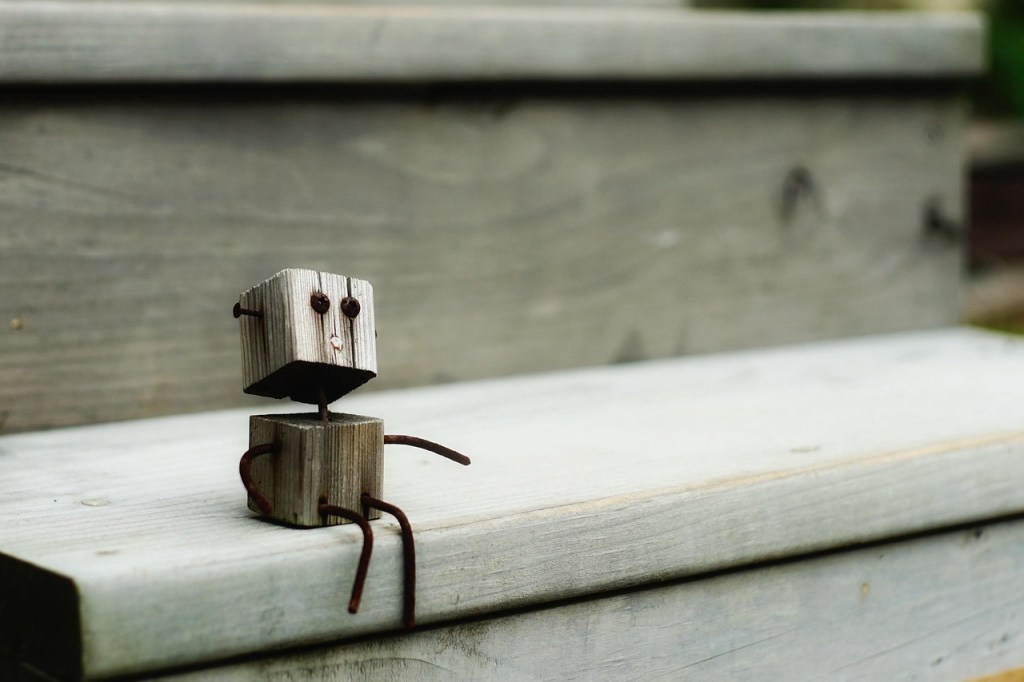
Image by Jin Kim
 Tom’s Blog