
In the quiet shadows of history, there were people who moved with precision, who carried loads with grace, and who lived with a kind of physical literacy that seems almost forgotten today. In premodern Japan, 飛脚 (hikyaku: courier runner) could run up to 80 to 100 kilometers a day, delivering letters across the country. They did this not with protein shakes or advanced gear, but with disciplined breath, timing, and light feet. Domestic workers and street vendors, too, spent long hours hauling weight and walking great distances, not because they were athletes, but because life demanded it.
Their strength was not separate from their living. It was not cultivated in isolation, but born from necessity. They did not speak of core training or optimal gait, yet their bodies held knowledge earned through repetition. Martial artists often speak of this difference. The people of the past, they say, knew how to move with economy. They knew when to use strength and when to let it go. They may not have been consciously aware of every technique, but they embodied something essential: a rhythm between effort and ease.
Modern fitness, in contrast, often celebrates the visible strain. We admire the flexed muscle, the red face, the gritted teeth. Strength is now a spectacle, carved out of artificial resistance rather than woven into daily life. The natural wisdom of the body, once shaped by fields, paths, and markets, is now shaped by gym routines and screen-based programs. And in this transition, something subtle has been lost.
From Function to Performance
The shift from physical necessity to recreational exertion has changed not only how we use our bodies, but how we understand them. In the past, movement was integrated into the shape of the day. Now, it is compartmentalized. We sit for hours, then try to reverse the damage with an hour of high-intensity training. We carry nothing, then load barbells with weight far removed from any real purpose.
This disconnection leads to misuse. Without foundational awareness, we lift with shallow breath, we move with borrowed patterns, we ignore the whispers of discomfort until they become screams. Recently I learned this painfully through an inguinal hernia, caused not only by excessive load, but by poor breath control during weightlifting. It was not just a physical failure. It was a failure to listen.
Injury often teaches what health hides. It forces stillness, demands humility, and brings into focus the delicate coordination required for true strength. What looks like effortlessness in a seasoned craftsman or martial artist is not luck or magic. It is the result of accumulated respect for the body’s natural geometry and limits. It is power without violence, movement without waste.
This is not the power we are trained to pursue. In a culture shaped by competition and consumption, we are told to push further, go harder, aim higher. The goal is always growth, even if the cost is unseen. But nature does not grow endlessly. Trees reach a certain height. Rivers find their banks. To know when to stop is not a weakness. It is a kind of intelligence.
The Culture of Excess
This cultural obsession with “more” did not begin in the gym. It is the child of the industrial and information revolutions. For generations now, society has measured success by expansion. More products, more output, more profit, more access. Even our personal lives are shaped by this logic. We seek more experiences, more productivity, more self-improvement.
Even minimalism, often celebrated as a reaction to excess, is usually just another strategy for optimizing. Decluttering is praised not because it brings peace, but because it makes us more efficient. We meditate to improve focus. We simplify to work faster. The metric remains the same. Less is tolerated only if it results in more of something else.
But at what cost? Our bodies may be quieter than machines, but they still register this strain. Not through burnt circuits, but through subtle fatigue, misalignments, and pain that shows up later. Mental exhaustion, too, is real and rising. The endless feed of information, the lack of pause, the constant pressure to respond and perform, all of it accumulates.
We rarely acknowledge the full weight of this invisible burden. We treat mental overload as a failing of time management, physical injury as an accident of form. But more often than not, these are signs of systemic imbalance. We are living outside of rhythm. We are trying to be more than we are, more than we need to be. And in doing so, we risk becoming less.
Knowing When to Stop
The ancient Chinese wisdom of Lao Tzu offers a different vision. The phrase 知足 (Chisoku), often translated as “knowing sufficiency” or “knowing when enough is enough,” points to a deep truth. It is not about resignation or passivity. It is about clarity. To know enough is to know what matters. To feel contentment is to feel rooted in the present, not suspended in future cravings.
This does not mean we must abandon growth or challenge. But it means recognizing that effort has a place, and so does rest. That ambition without self-awareness leads to harm. That striving without rhythm becomes strain. Lao Tzu’s wisdom does not promise victory in the modern sense. It offers peace through balance.
There is a subtle greatness that appears when we stop grasping. Not the greatness of accumulation, but of presence. Not the largeness of more, but the depth of enough. In letting go of the need to exceed, we enter into something wider than any personal goal. We return to alignment. We begin to move as those before us moved, not because we must, but because we can.
The people of the past understood this through practice. They were not burdened by optimization. They lived by necessity, and in that necessity, they learned grace. Their efforts were sustainable because they were right-sized. They did not try to escape their limits. They worked within them, and in doing so, preserved themselves.
The Recovery of Grace
My injury, though painful, has opened this awareness. It forced me to stop. And in that pause, I began to see how much of my effort had been out of rhythm. I was not training strength. I was testing my resistance to collapse. But now, in slowing down, in walking rather than lifting, in breathing rather than pushing, I feel something more coherent returning.
This is not a story of failure. It is a reminder. The body does not need punishment to grow. It needs care, rhythm, and clarity. It needs us to pay attention not just to how far we can go, but to when we have gone far enough.
And this is not only about exercise. It touches work, relationships, even how we use technology. Our entire way of living could benefit from a return to proportion. A return to the wisdom that knew when to pause. Not out of laziness, but out of harmony. Not to avoid effort, but to respect its place.
In a world of noise, to move gently is radical. In a culture of speed, to stop is an act of clarity. The people who walked long distances without injury, who carried heavy loads without strain, were not superhuman. They were simply attuned. They knew their limits, and they lived within them. And because of that, they endured.
The Quiet Revolution
Perhaps the future of strength is not in surpassing the limits, but in remembering why they existed. Perhaps true progress is not about conquering nature, but rejoining it. We do not need to go backward. But we can carry forward the wisdom of those who moved with less noise and more grace.
Knowing when enough is enough does not mean settling. It means seeing clearly. It means realizing that beyond the clamor for more lies a stillness that cannot be improved upon. And in that stillness, we may discover a new kind of power. One that does not break the body, or overload the mind. One that does not need to be earned through pain, but received through attention.
This is not the greatness we are taught to pursue. But it may be the only one that lasts.
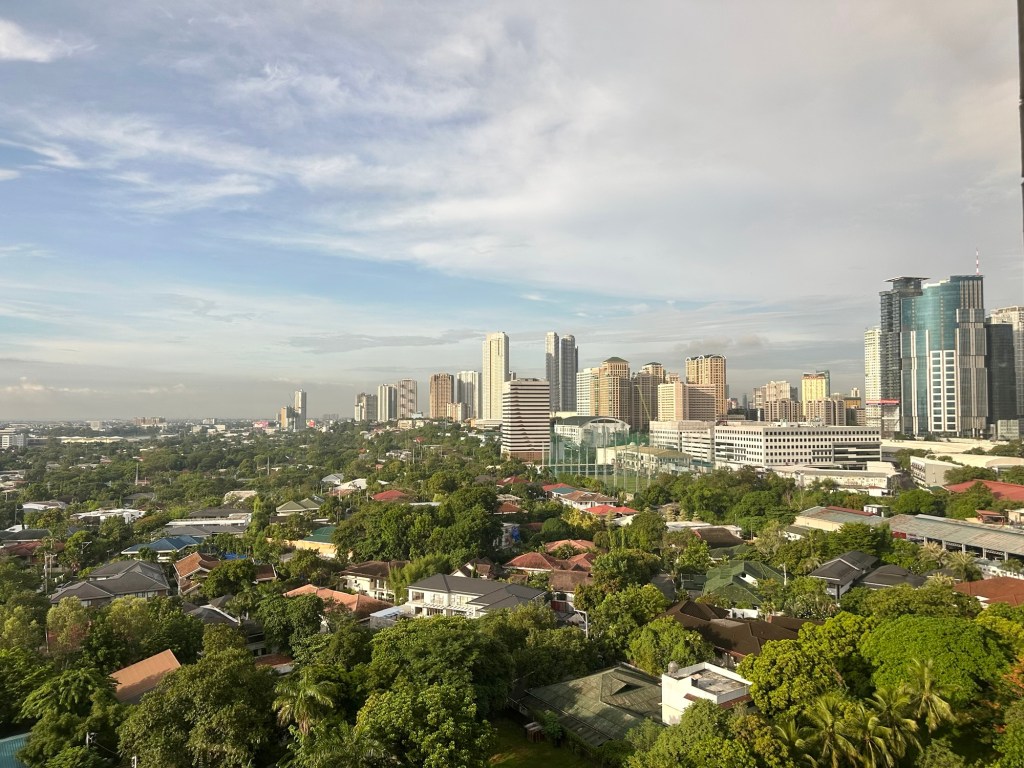
Image: A photo captured by the author
 Tom’s Blog