
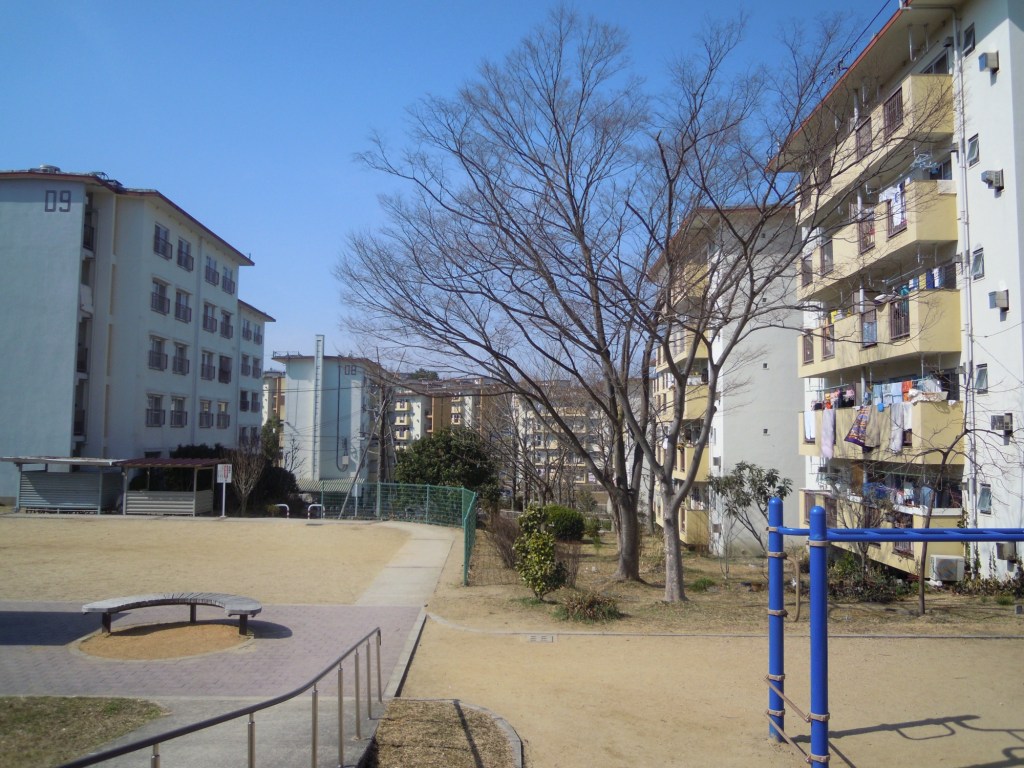
There was a time when concrete buildings felt like dreams. I grew up in a Danchi (団地) in Nara; a public housing complex designed during Japan’s postwar economic rise. But to me, it wasn’t an abstract policy or urban design. It was the sound of children laughing in the open courtyards. It was the excitement of summer festivals, with lanterns swaying in the evening breeze and taiko drums echoing between the blocks. It was neighbors who knew each other by name, families gathering in the shared spaces, and the rhythm of a community that felt alive.
In the center of our Danchi stood a supermarket and a cultural center. These weren’t just amenities; they were anchors of daily life. On weekends, children would gather for events, drawing contests, or movie screenings. Parents, often young couples who had just started building their lives, participated in cleaning days and local meetings. The atmosphere was cooperative, even cheerful. For many, moving into a Danchi meant they had arrived, not just physically, but socially. It was a promise of a better life, shared among thousands of families across the country.
Decades later, I returned. The buildings stood firm, still clean and orderly. But something was missing. The laughter was gone. The central square, once lively, was silent. Small shops had closed, their shutters untouched for years. Most people went to the nearest convenience store, efficient but impersonal. The place remained the same in shape, but the life within had quietly retreated. I felt nostalgia, yes, but also a gentle sadness. The Danchi was still there. But the community that once filled it had faded.
Building the Postwar Dream
The story of Danchi is inseparable from Japan’s postwar transformation. As the country rebuilt itself from the devastation of war, there was a pressing need for housing, especially near industrial and commercial centers. In response, the government initiated massive residential development projects, and the Japan Housing Corporation (now UR: Urban Renaissance Agency) became the engine of this effort.
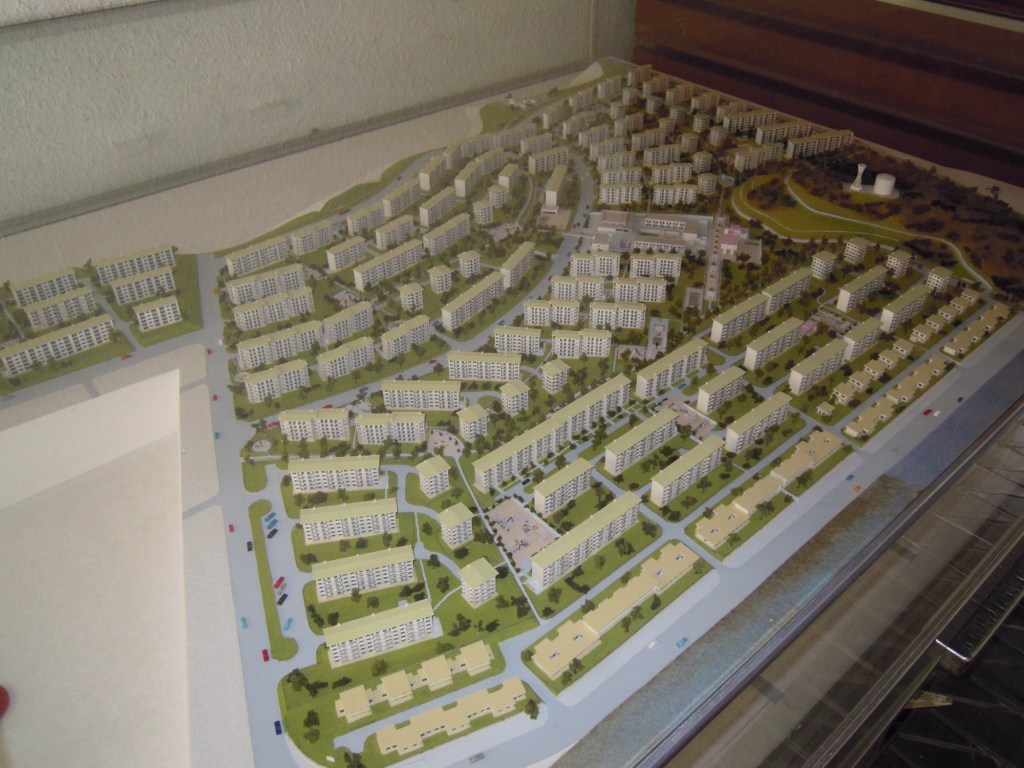
From the late 1950s into the 1970s, Danchi complexes emerged on the outskirts of major cities. These were not just rows of apartments. They represented a new vision of life: Western-style layouts, modern kitchens, private bathrooms; features once unimaginable for many Japanese families. Most importantly, they were structured for the nuclear family, which had become the ideal social unit of the economic miracle.
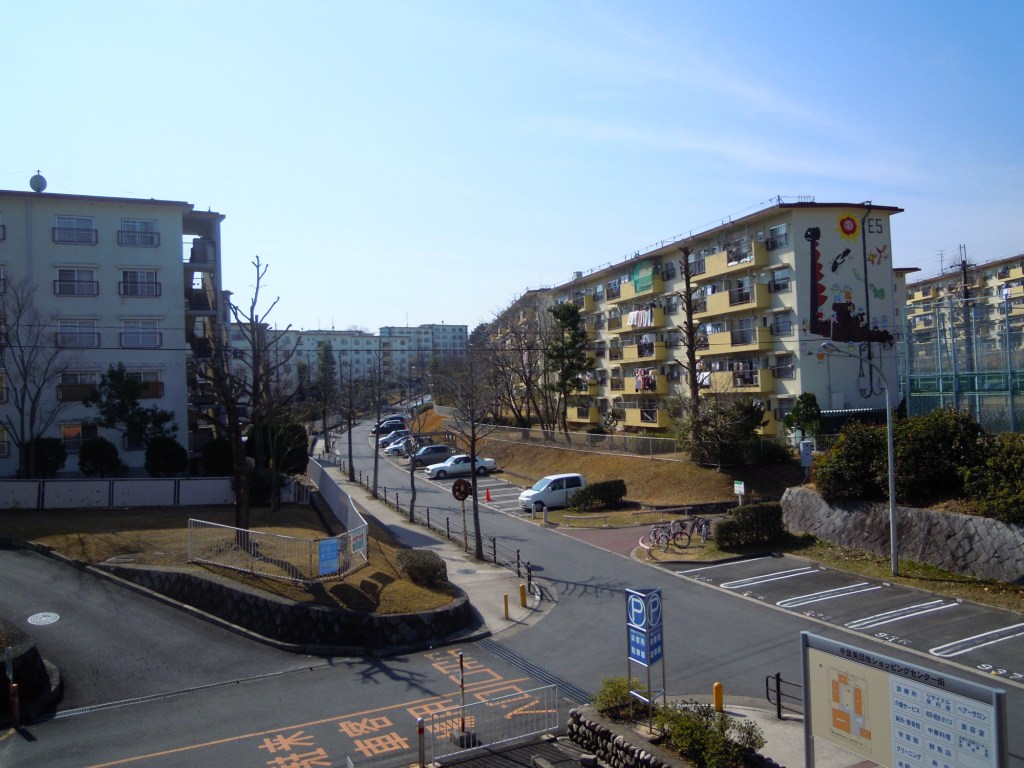
For young salaried workers, moving into a Danchi symbolized stability and progress. Commutes to work were manageable. Children had safe spaces to play. There were parks, schools, clinics, and shopping arcades; all within walking distance. The buildings themselves, though utilitarian, were constructed with a kind of quiet pride. They stood for something. And that something was the belief that everyone could share in Japan’s growing prosperity.
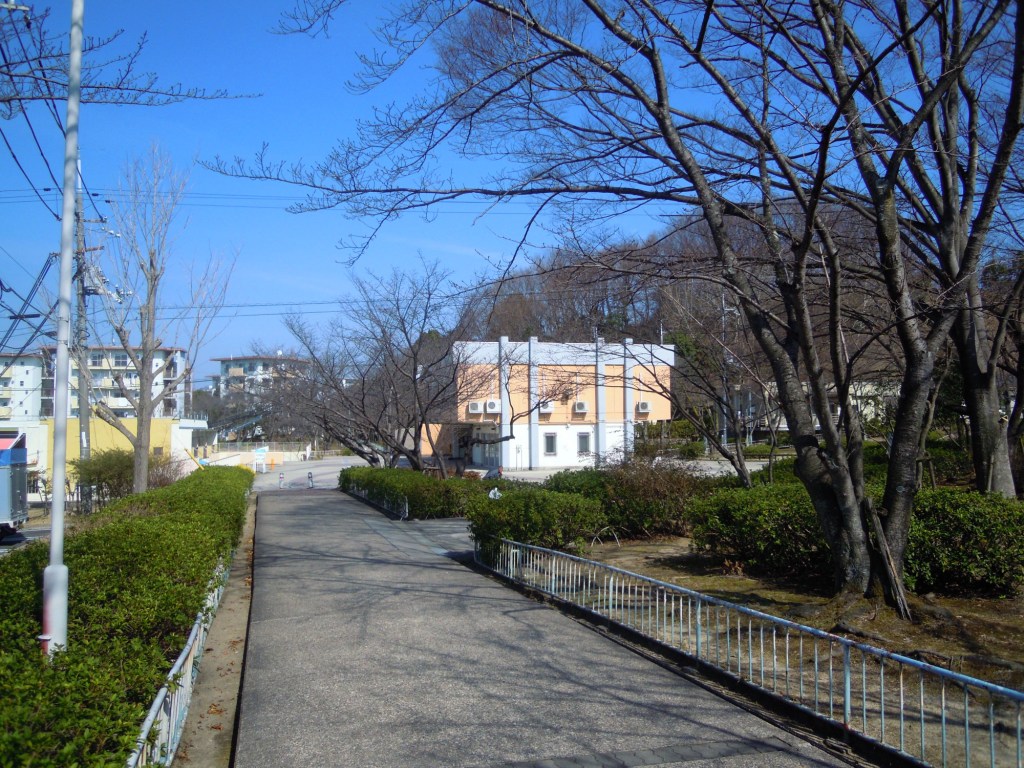
Senri New Town, built in Osaka during the same era, was perhaps the most ambitious example of this dream. It became the site of the 1970 World Expo, where Japan presented its modern face to the world. The housing, transportation, and infrastructure surrounding the Expo were not afterthoughts; they were part of the story. The future was not far away; it was being lived already, in places like Senri and the countless Danchi across the nation.
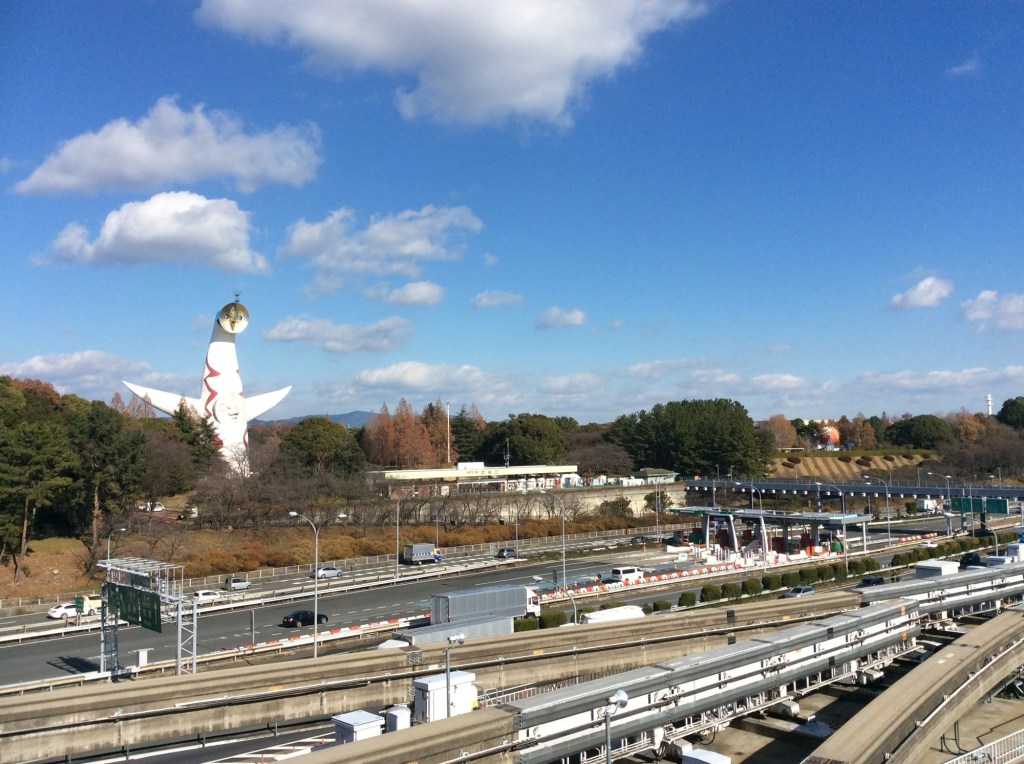
The Silence That Followed
But no dream lasts forever. As decades passed, Japan’s population began to age. The birthrate declined. Young families moved into newer, more private condominiums. The original residents of the Danchi, who had once been young parents, became elderly. Many stayed. Others passed away. The spaces built for growing families now echoed with the quiet routines of solitary life.
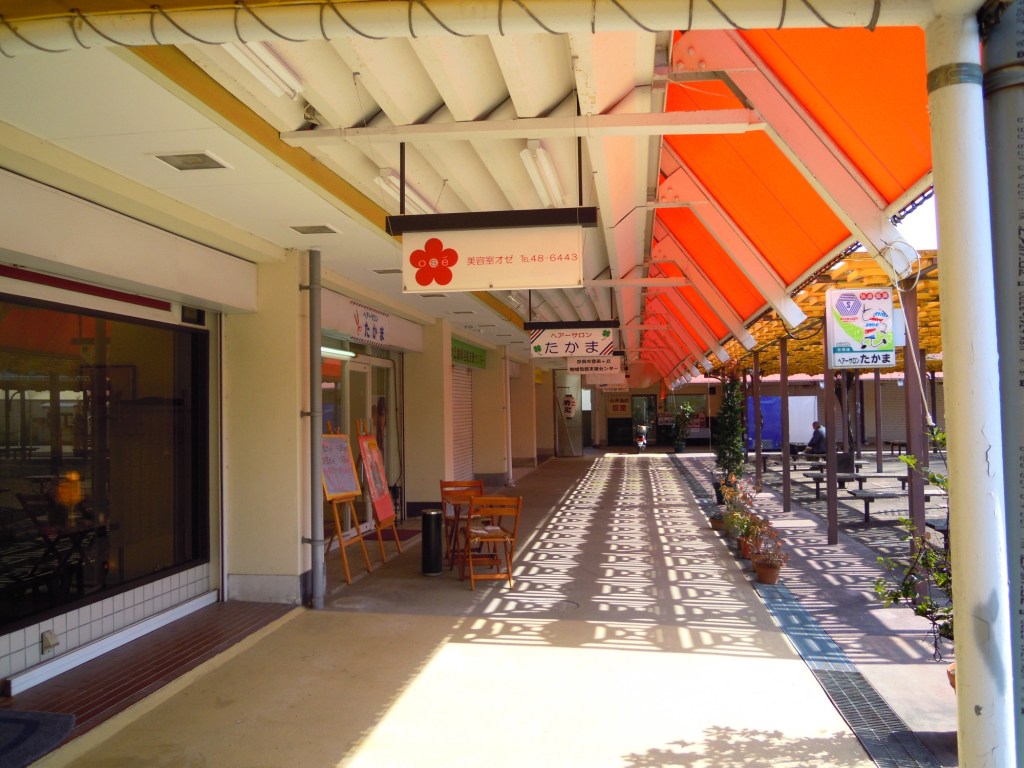
When I visited my childhood Danchi, the signs were subtle but telling. The stairwells were still swept. The vending machines still lit up at night. But there were no children playing. The bulletin boards had notices about medical checkups and fall prevention seminars. The summer festival had long been discontinued. Where once there were open shopfronts, florists, bakeries, bookshops, there were now empty lots or repurposed offices. The community was still there, technically. But it no longer moved together. It no longer breathed in unison.
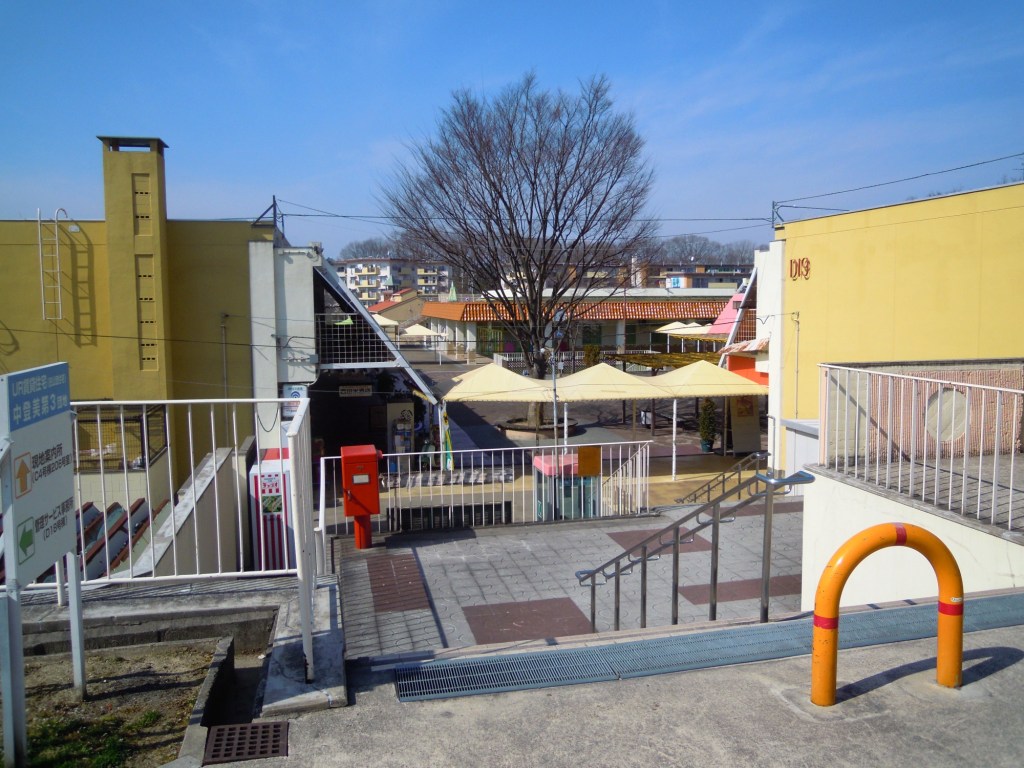
Some Danchi have been revitalized or repurposed. UR and local governments have attempted to attract younger residents by offering incentives or promoting cultural events. Others have welcomed foreign students, low-income families, or artists. There are even pilot programs where students live in Danchi rent-free in exchange for volunteering with elderly residents. These are creative efforts. But they are often patchwork responses to a deeper shift: the fading of a shared social rhythm.
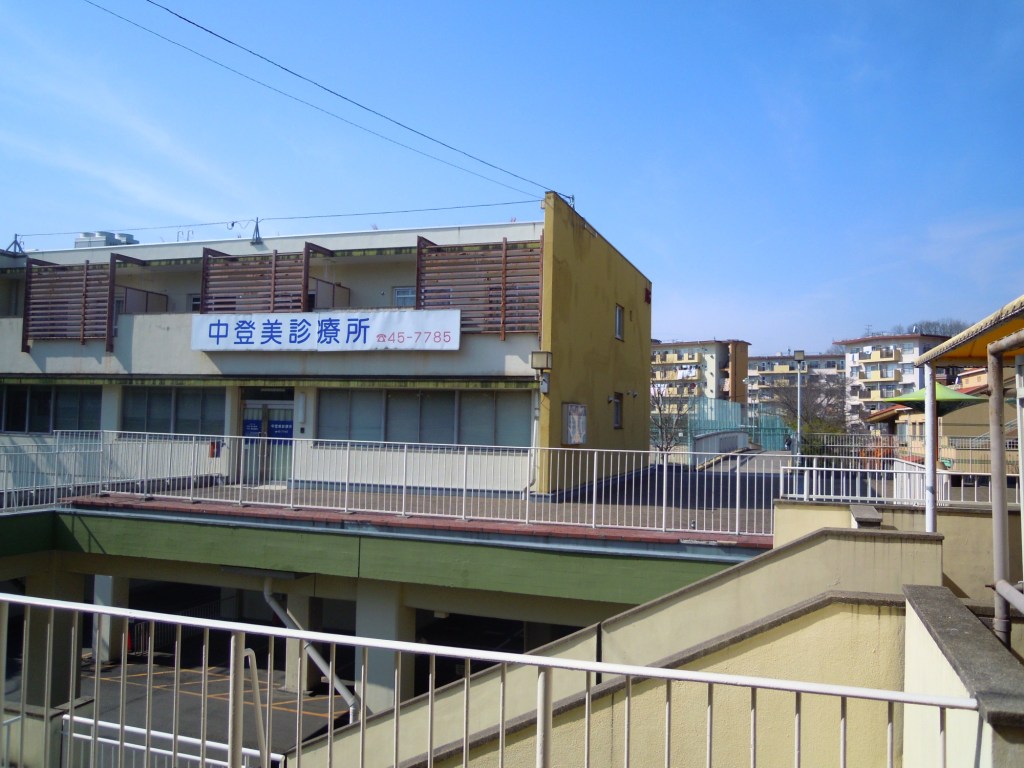
The challenge isn’t just physical deterioration. In fact, many Danchi areas remain structurally sound. The challenge is emotional and cultural. These were places built not only for shelter, but for a way of life. And that way of life no longer fits the needs, or desires, of contemporary society.
Portopia and the Reclaimed Future
Kobe’s Portopia ’81 was another moment of optimism. Celebrating new frontiers in land reclamation, the event showcased the Port Island and Rokko Island developments. Like the earlier Expo in Osaka, Portopia was a statement of faith in technology, planning, and human ingenuity. These artificial islands weren’t just geographic innovations. They were visions of future living; complete with homes, offices, parks, and monorails.
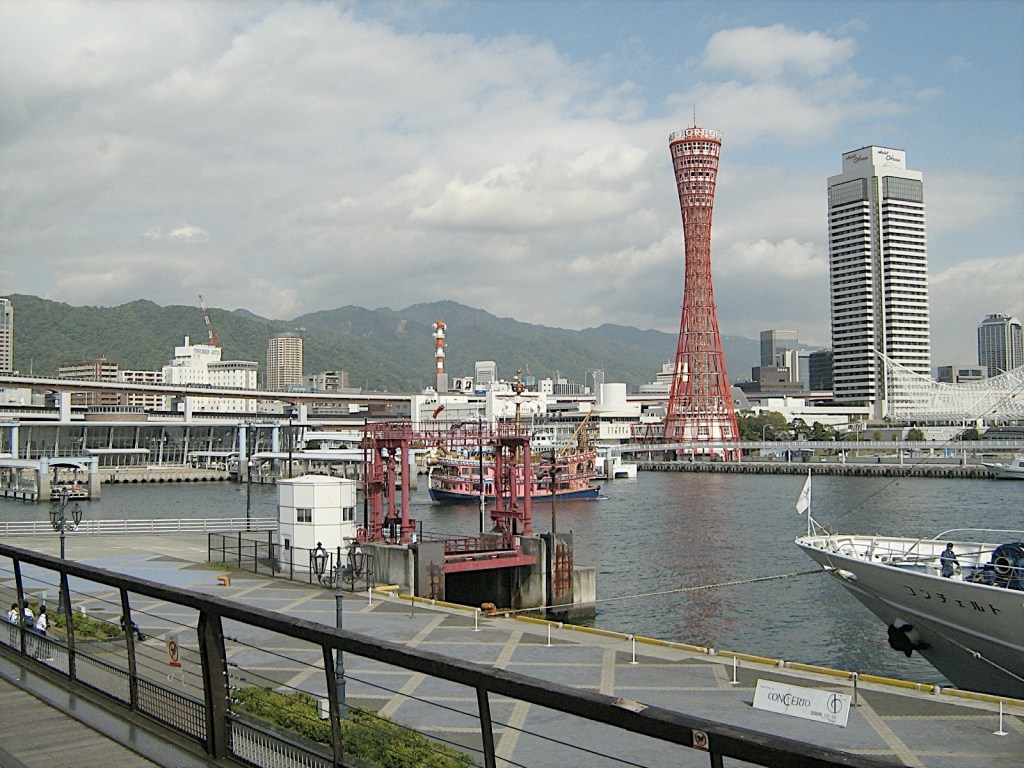
The intention was clear: to create new towns from scratch, combining modern infrastructure with community ideals. Families moved in with hope. Children grew up surrounded by the sea and the horizon. It was, in many ways, Danchi thinking on a new stage; horizontal expansion onto the ocean.
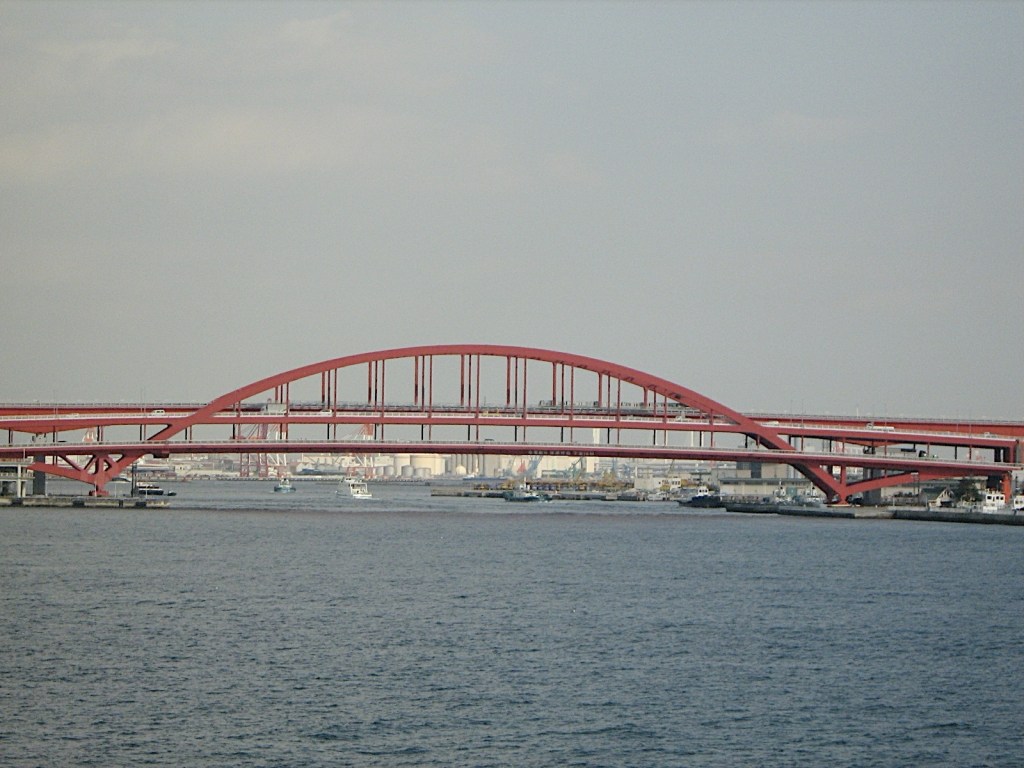
But time has not been entirely kind to these islands either. As with the older Danchi, demographic shifts have taken their toll. Younger generations have not flocked to the islands as expected. Some facilities lie underused. Economic pressures and changing lifestyles have chipped away at the utopian vision.
Walking through these areas today, one can see both ambition and fragility. The buildings still face the sea, their views unspoiled. The infrastructure is intact. But the energy has dimmed. What was once a symbol of future possibility now requires active maintenance, not just of structures but of meaning.
Parallels in Emerging Nations
While Danchi and new towns in Japan were shaped by postwar rebuilding and rapid industrialization, similar township-style developments are now spreading across many emerging economies. In places like the Philippines, Indonesia, and Vietnam, one can see high-rise condominiums rising on reclaimed land, near expressways, or in newly zoned suburban areas. These are not only real estate projects. They are promises; offering young middle-class families a lifestyle of order, safety, and progress.
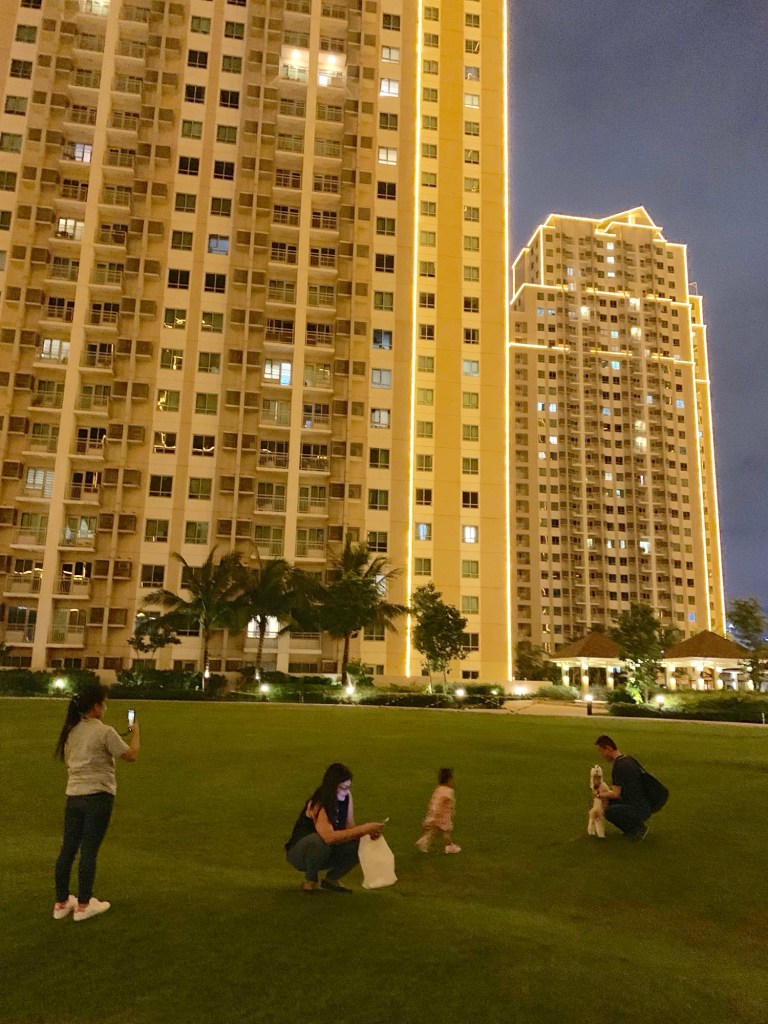
Developers advertise these spaces with familiar language: secure communities, access to amenities, a better future. Parks, shopping malls, schools, and even coworking spaces are built in tandem. For many couples, moving into such a township means entering a new phase of life. And the excitement mirrors what families in Japan felt when they first received the keys to their Danchi unit decades ago.
But there are warnings embedded in the Japanese experience. Convenience can become isolation. Order can become stagnation. If these townships are not supported by deeper social investments, cultural programs, local governance, and neighborhood traditions, they risk becoming sanitized bubbles. The emotional and communal richness that made early Danchi special cannot be built with concrete alone.
In this way, Japan’s story offers not only inspiration but caution. Urban form must serve human life, not just economic metrics. A neighborhood is more than its infrastructure. It is a shared rhythm, a set of unwritten agreements, and a sense of belonging.
From 1970 to 2025: Changing Expositions, Changing Society
The difference between Expo ’70 and ongoing Expo 2025 in Osaka reveals something profound. The first was rooted in an active residential dream, integrated with Senri New Town, full of optimism about shared prosperity. The site was near real homes, linked to the daily lives of real people. It wasn’t just a show; it was a lived vision.
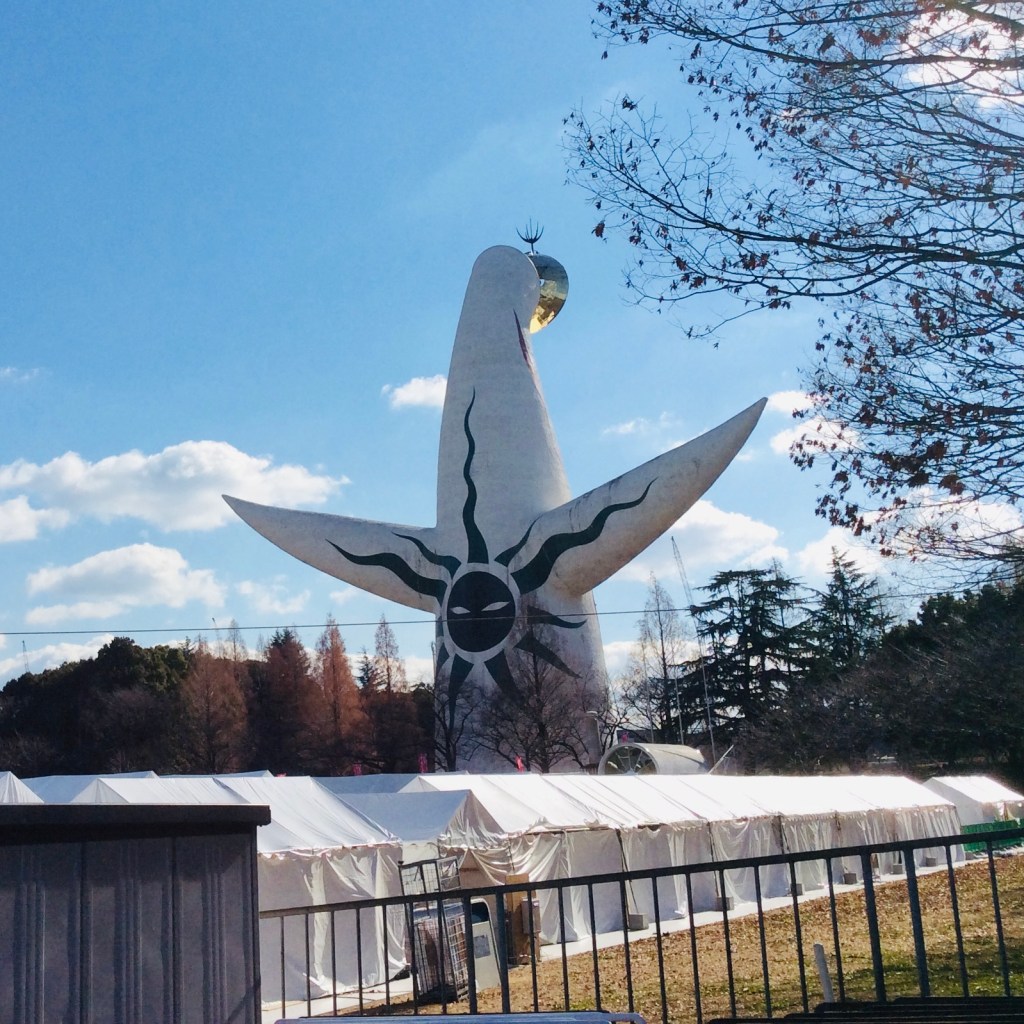
Expo 2025, by contrast, will take place on Yumeshima, a reclaimed island that, while futuristic, feels more detached. It is a site of imagination, perhaps, but not of lived community. The location suggests a shift: from collective dreaming to speculative planning. From homes to hubs. From neighborhood to network.
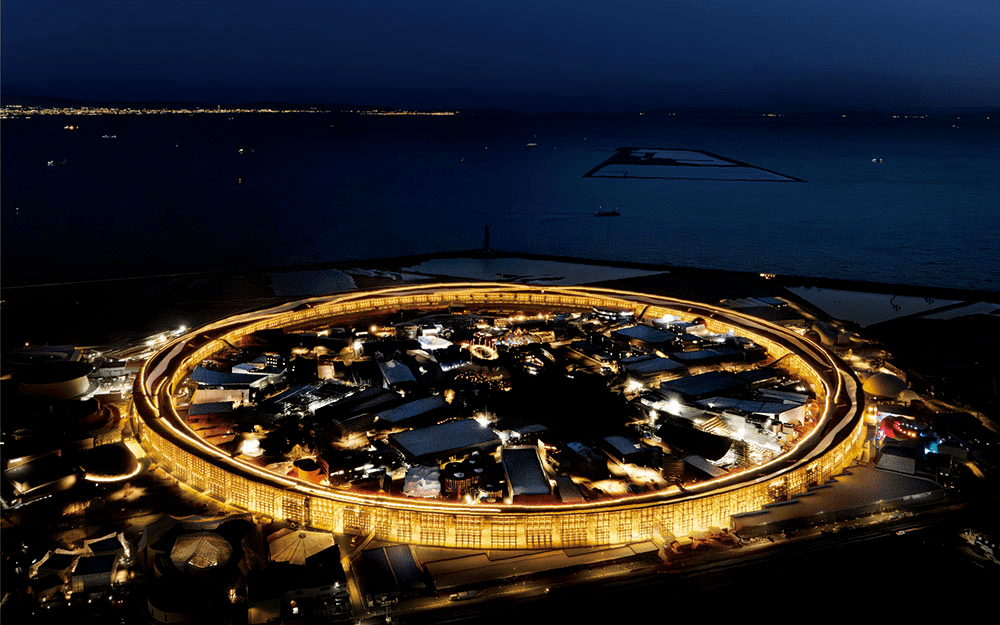
This is not to say that Expo 2025 lacks value. It may offer technological marvels and forward-thinking solutions. But it may also reflect the reality of Japan’s current moment; a nation still creative, still capable, but searching for new stories to tell about itself.
The transition from Danchi to Yumeshima mirrors a broader cultural movement: from communal aspiration to individualized uncertainty. In the past, the future was built in concrete. Now, it hovers in the digital cloud, or rests on experimental architecture surrounded by water.
Echoes, Not Endings
To remember Danchi is not just to indulge nostalgia. It is to listen to a particular sound of the past; one filled with hope, effort, and togetherness. The silence of today’s Danchi is not emptiness. It is an echo. A gentle reminder that dreams leave traces, even after the laughter fades.
For those of us who grew up in these spaces, the memory is more than sentimental. It is grounding. It teaches us what was possible. It shows us how built environments can shape not only lives, but values. The festivals, the shops, the shared chores; they taught us community in a way that no policy could fully articulate.
And while the age of Danchi may be passing, the question remains: What kind of community life are we building now? In vertical towers, in digital neighborhoods, in isolated innovation hubs; can we find a new rhythm that carries forward the spirit of those early dreams?
Echoes don’t have to fade into nothing. Sometimes, they become music again, if we choose to listen.
Image: Photos captured by the author
 Tom’s Blog