
When I heard the news that Cardinal Robert Francis Prevost had been elected as the new Pope, taking the name Leo XIV, I felt a curious stillness. It was May 8, 2025, and though I was far from Rome, something about this moment reached across the years.
A part of me, grounded in my Presbyterian background, acknowledged it with scholarly interest. But another part, something more personal, stirred. I realized how many layers of memory, emotion, and quiet prayer were tied to the figures who have worn the white robes of the papacy in my lifetime.
As someone raised in the Protestant tradition, and now regularly attending Catholic Mass with my wife, I have stood at a unique crossroads. Not simply as an observer of papal history, but as someone whose spiritual imagination has been quietly shaped by the voices and gestures of these men.
Pope Leo XIV’s election didn’t just mark a transition for the Catholic Church. It invited me to look back and remember the other Popes I have known, in person or in spirit, and what I have carried from them through the seasons of my life.
John Paul II: The First Face of the Papacy
My first conscious image of a Pope was that of John Paul II. He was charismatic, firm, and deeply rooted in his identity as a spiritual father. I didn’t fully understand his role then, but I remember the feeling of awe that surrounded him whenever his face appeared on television. Later, I would learn that he visited the Philippines twice; once in 1981, and again in 1995 for World Youth Day. I happened to be in the Philippines during that second visit. The scale of the crowd, the joy in the air, the sheer anticipation of his presence; all of it made an impression.
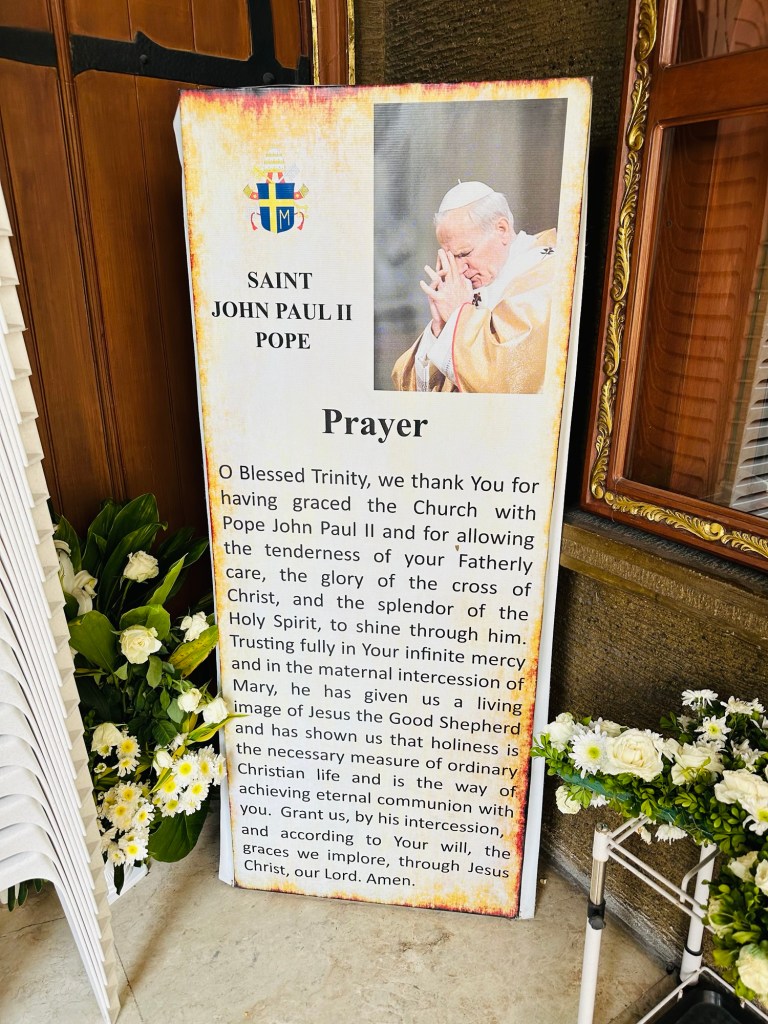
John Paul II had the strength of a man who had lived through the collapse of empires and the shifting tides of ideology. There was a firmness to his convictions, but also a deep compassion that resonated with Catholics and non-Catholics alike. In my academic years, when I began studying Catholicism more formally, I revisited many of his writings and speeches. His call for the dignity of life, the importance of culture, and the mystery of suffering offered something quietly profound.
To this day, when I think of the role of a Pope in the modern world, the silhouette of John Paul II, standing against the wind, blessing the crowds, remains vivid in my mind. He was my first encounter with the idea that faith could be both public and deeply personal.
Benedict XVI: The Quiet Scholar of the Word
Then came Pope Benedict XVI, whose approach stood in gentle contrast to his predecessor. He was less theatrical, more contemplative. Where John Paul II was a shepherd among the people, Benedict seemed like a monk who had been called from his cell to guide the Church through a storm.
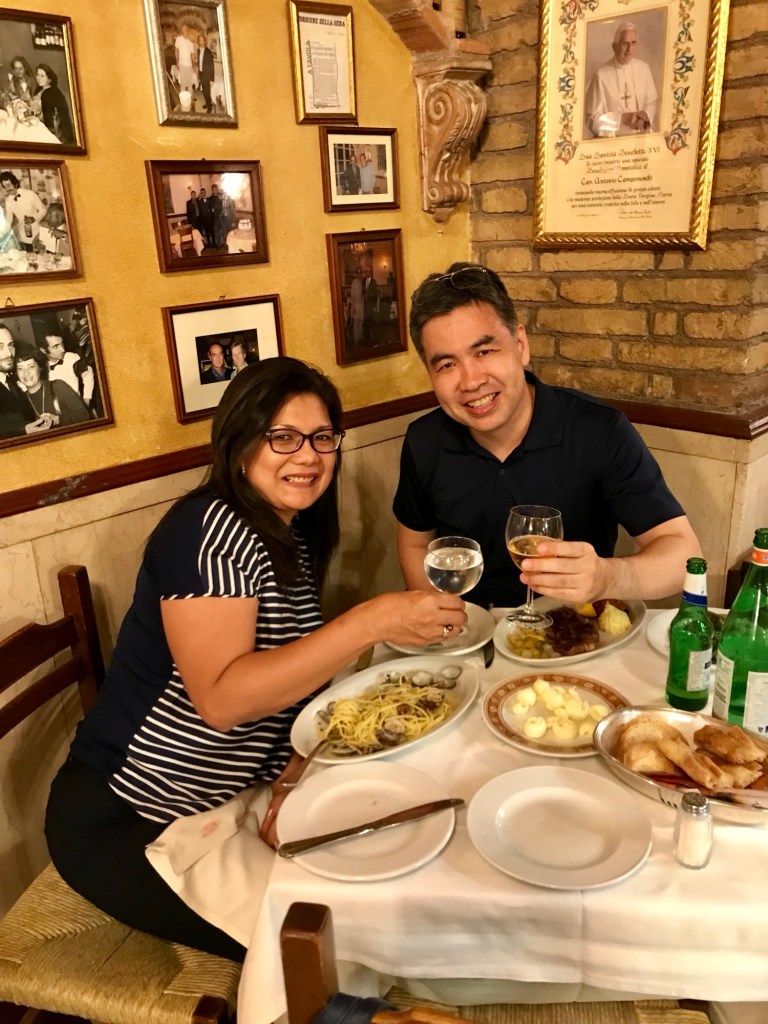
What I remember most about him is not a public moment, but a spiritual one. His emphasis on Lectio Divina, the ancient practice of meditative scripture reading, touched something in me. It gave permission to slow down, to sit with the Word not as text to be analyzed, but as something to be received. This practice influenced not only my personal spiritual rhythm, but also how I understood the act of reading itself. His writings felt like letters from a quiet teacher who trusted the intelligence and sincerity of his readers.
Benedict’s resignation in 2013 also marked a turning point. It was the first time in centuries that a Pope had voluntarily stepped down, and it felt, strangely, like a very modern act of humility. In a world where leaders often cling to power, his decision to step away reminded me that strength can take the form of silence and letting go.
Francis: The Pastor in the Rain
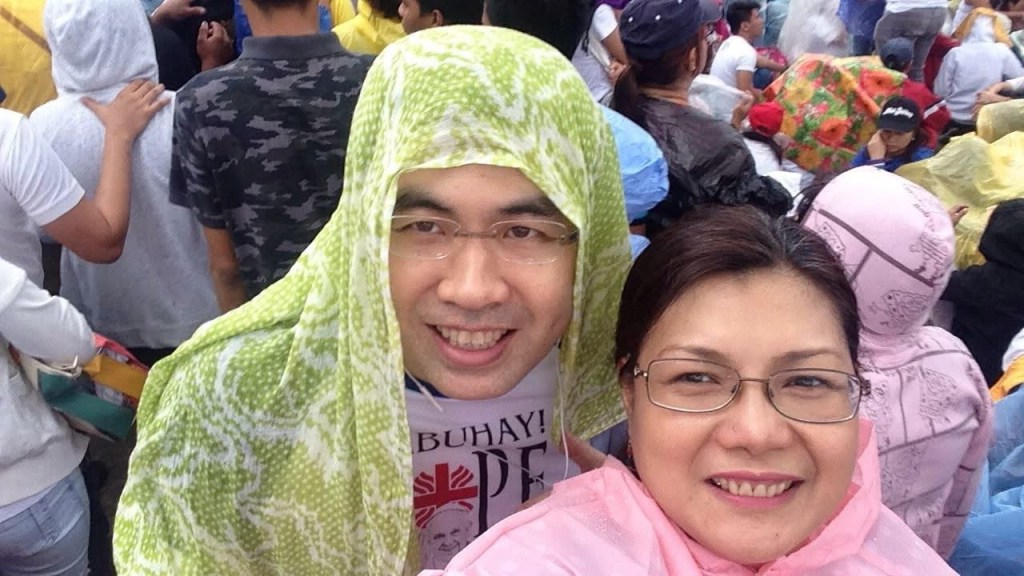
When Pope Francis was elected, I had already become more familiar with Catholic rituals and culture through my wife and our shared journey. In 2015, he visited the Philippines, and my wife and I went to see him at Luneta Park. That day was stormy, and we got soaked by the rain. But we stayed, along with millions of others. We weren’t alone. It was as though the entire nation was united by a shared act of waiting. What could have been miserable became memorable, even sacred.
Francis brought a warmth that felt close to the people. He spoke plainly, with gentleness and resolve. He emphasized mercy over judgment, and presence over proclamation. I appreciated his focus on the peripheries; those who were left behind or overlooked. In many ways, his papacy made the Catholic Church feel more human, more open, more like the man who washes feet on Holy Thursday.
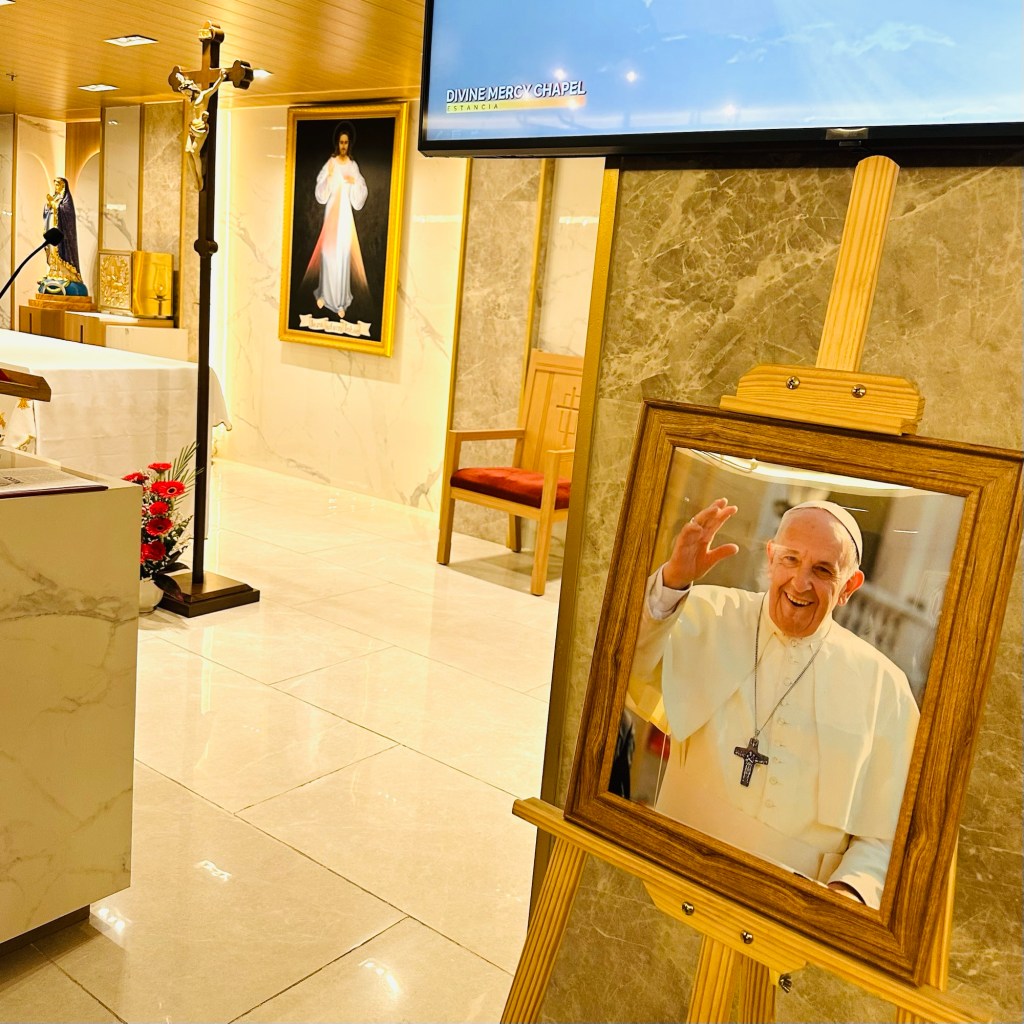
As a Protestant, my perspective on certain teachings naturally differed at times, yet I found myself deeply moved by his vision. He reminded us that leadership can look like kneeling, and that theology must always find its way back to love.”
Saint Peter’s and the Tangibility of Memory
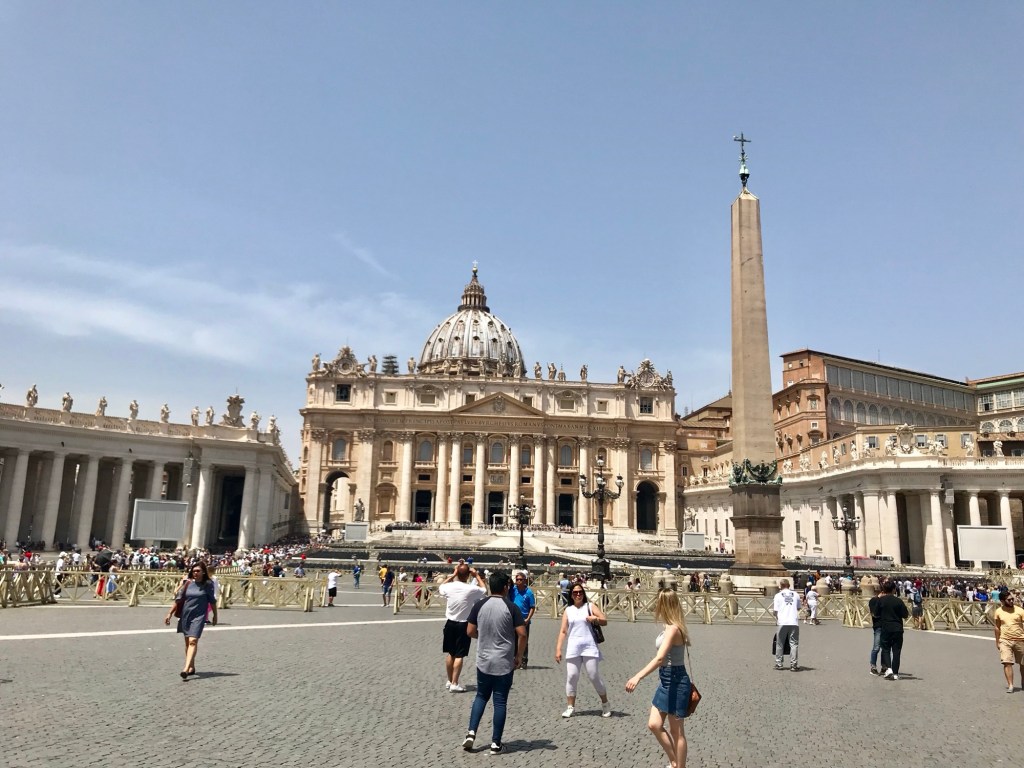
In June 2018, my wife and I visited the Vatican and stepped into Saint Peter’s Basilica for the first time. It was surreal. For years we had seen that iconic dome in video clips, photographs, and papal broadcasts. But to stand there, beneath the soaring architecture, was something altogether different. It wasn’t just a church. It was a threshold between history and eternity.
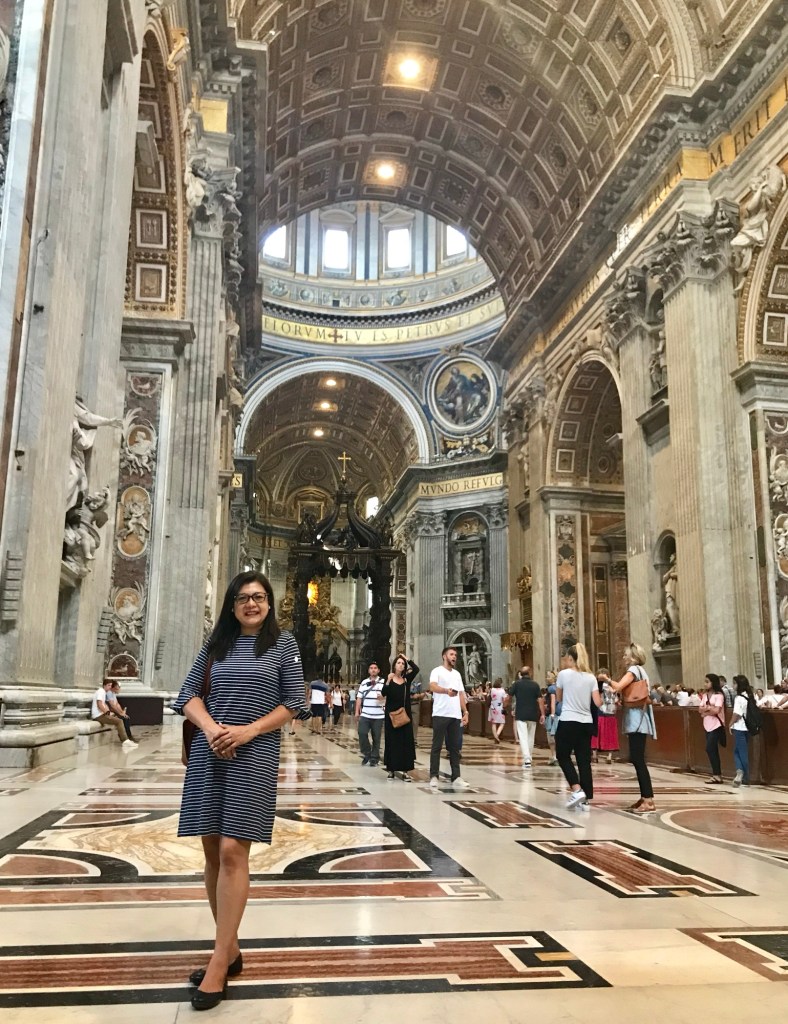
I remember being struck not only by the scale and beauty of the basilica but also by the feeling that we were walking among echoes. Here were the tombs of Popes I had read about. Here were altars that had seen centuries of prayers, coronations, and farewells. That visit added a physical layer to my spiritual memory. The faces of John Paul II, Benedict XVI, and Francis were no longer distant figures. They were part of a living continuity I could now feel in stone and silence.

It was also deeply meaningful to share that visit with my wife. As a couple from different traditions, that sacred space held room for both of us. It reminded me that faith doesn’t always require perfect alignment to be shared meaningfully. Sometimes, it just takes standing together, in awe, in gratitude.
Leo XIV: A New Chapter, A Familiar Longing
And now, in 2025, comes a new name; Pope Leo XIV. Born in Chicago, seasoned by missionary work in Peru, and tested by years of Vatican responsibility, he arrives with a background that feels as global as the Church itself. When the white smoke rose and his name was announced, I felt something more than curiosity. I felt a longing for peace, for renewal, for the kind of leadership that listens before it speaks.
Leo XIV’s first words from the balcony were simple and tender: “Peace be with all of you.” It was not just a greeting. It felt like a prayer reaching out into a fractured world. War in Ukraine and Gaza, ideological divides in America and beyond, religious tensions, and the erosion of trust in institutions; all of it seemed to fall quiet for a moment as those words were spoken. Or maybe it was just my own heart that fell quiet.
I do not know yet what kind of leader Leo XIV will be. He wears traditional vestments like Benedict, but speaks with the pastoral warmth of Francis. His American citizenship breaks precedent, but his life story stretches far beyond national lines. What I hope is that he brings a sense of rooted openness; a willingness to be steady in principle and humble in spirit.
The Thread That Binds Them All
Looking back, I realize that each pope I have encountered has offered something distinct. John Paul II gave the Church a voice that carried across borders. Benedict XVI offered the stillness of thought and a profound respect for the Word. Francis brought compassion to the forefront and reminded the faithful to go to the margins. Now Leo XIV steps forward; perhaps to be a bridge, a healer, a quiet reformer in a noisy world.
What binds them all together in my memory is not doctrine, though that matters. It is something quieter. It is the way they showed that the papacy, for all its ceremonial complexity, can still reach ordinary people. I’ve felt that reach in the crowd at Luneta under the rain. I’ve felt it in the hush of Saint Peter’s. And now, I feel it again, watching a new name step forward, holding both the weight of history and the hope of tomorrow.
A Hope That Is Shared
As someone whose faith tradition lies outside Catholicism, I know I view these figures differently from those born and raised within the Church. But I have also learned, especially through my marriage, my study, and my participation in the Mass, that faith is not always a matter of division. It can be a language spoken across difference. And Popes, at their best, are fluent in that language.
So I watch Leo XIV not with detached analysis, but with a quiet hope. A hope that he becomes more than a symbol that he becomes a shepherd, a voice of reason, a presence of mercy. The world is tired. We are bruised by conflict, wearied by cynicism, and unsure of what comes next. In this moment, perhaps what we need most is someone who believes that peace is still possible.
My wife and I will continue to attend Mass together, now with another Pope’s name mentioned in the prayers. And each time, I’ll think not only of the man in white robes, but of all those moments across time and place where something sacred touched us, from the rain-soaked field in Luneta to the timeless stones of Saint Peter’s.
And I’ll remember: this faith journey, ours, mine, is not about agreement or perfection. It is about presence. It is about remembering what matters. And in the election of Pope Leo XIV, I find another reason to hope.
Image: Photos captured by the author.
 Tom’s Blog