

Yesterday, I had a valuable opportunity to participate in our team’s CSR program. Let me share the experience and insights.
At the corporate level, the HR department usually plans various CSR programs in partnership with nonprofit organizations. However, last year, our team thought of doing it at the team level. That was the start.
At that moment, I knew that my wife also participated in the CSR program in her company, and I had heard from her that it was quite inspiring. So, I decided to contact the organization her company had partnered with.
AHA Learning Center and Its Mission
This organization is called AHA Learning Center. One of their missions is to “give the best education to those who have the least in life.” To achieve this, they have established community centers in areas where underprivileged families struggle with daily life due to various challenges.
While government sectors attempt to support these communities, their efforts are often inadequate. Bureaucratic inefficiencies, slow processes, and political factors become bottlenecks, preventing these communities from receiving the essential support they need—especially in education.
Organizations like AHA Learning Center can be an effective alternative. The initiative started when Jaton Zulueta, a young man around 19 years old, began offering humble review sessions for underprivileged students. Over time, his efforts gained the support of large private corporations.
Unlike government-led initiatives, nonprofit organizations operate with a results-oriented approach. They avoid the stagnation and apathy often seen in public institutions, making them more strategic and effective in improving education and community welfare.
Education as the Key to the Future
In the Philippines, the population structure remains positive, with a typical pyramid-shaped demographic, unlike Japan and other aging nations. This means young people represent hope for the future. However, the key to unlocking this potential is education.
A large youth population alone is not enough. If young people lack access to quality education and inspiration for their future, there is no real hope. The next generation must be driven by dreams and aspirations—without them, nothing can move forward.
One of the concerning trends in modern society is the declining importance of education. Teachers are no longer as respected as they once were. Adults tend to focus on their own lives, often choosing to have fewer or no children. Meanwhile, the rising cost of education discourages many families—even middle-class ones—from pursuing it.
Ironically, while access to knowledge has been democratized through the internet and AI, formal education has become more expensive. We no longer need to buy encyclopedias or rely solely on academic institutions for knowledge. Yet, schooling remains financially out of reach for many families.
Why? Because education has been commoditized. The more exclusive it becomes, the more expensive it is. Academic achievement is no longer just a measure of intelligence—it has become an indicator of social status. This market-driven mindset has made education a privilege, rather than a fundamental right.
What True Education Should Be
When we say “knowledge is power,” it should not be about social prestige or superiority. It should not be a status symbol that grants false confidence or arrogance.
Instead, true knowledge should make us more humble—the more we know, the more we realize how much we don’t know. It should also make us more thoughtful, allowing us to step back and see the bigger picture, including ourselves and the world around us.
Finally, knowledge provides both theoretical and practical tools to address life’s challenges with mindfulness and wisdom. This is what quality education should be about.
BOOKLAT KAALAMAN: A Reading Session with Children
During our CSR program, we conducted an activity called “BOOKLAT KAALAMAN,” designed to instill in children the value and joy of reading. In Filipino, “kaalaman” means knowledge.
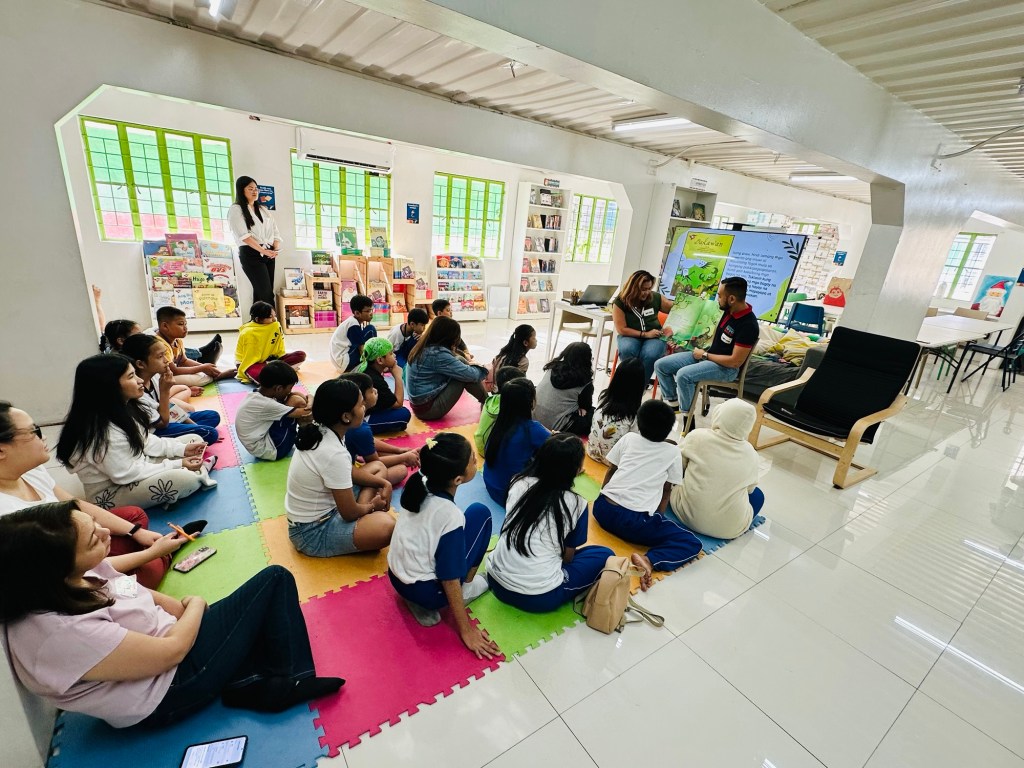
Through interactive storytelling—particularly a read-aloud session—we aimed to inspire a love for books. The chosen story, “Bakawan”, is a beautifully illustrated picture book about animals living in a mangrove forest. The story explores themes of pollution and environmental responsibility, as the animals encounter plastic bottles, oil spills, and other waste. Initially curious about these objects, they soon realize their harmful impact and take action to restore their home, Bakawan.
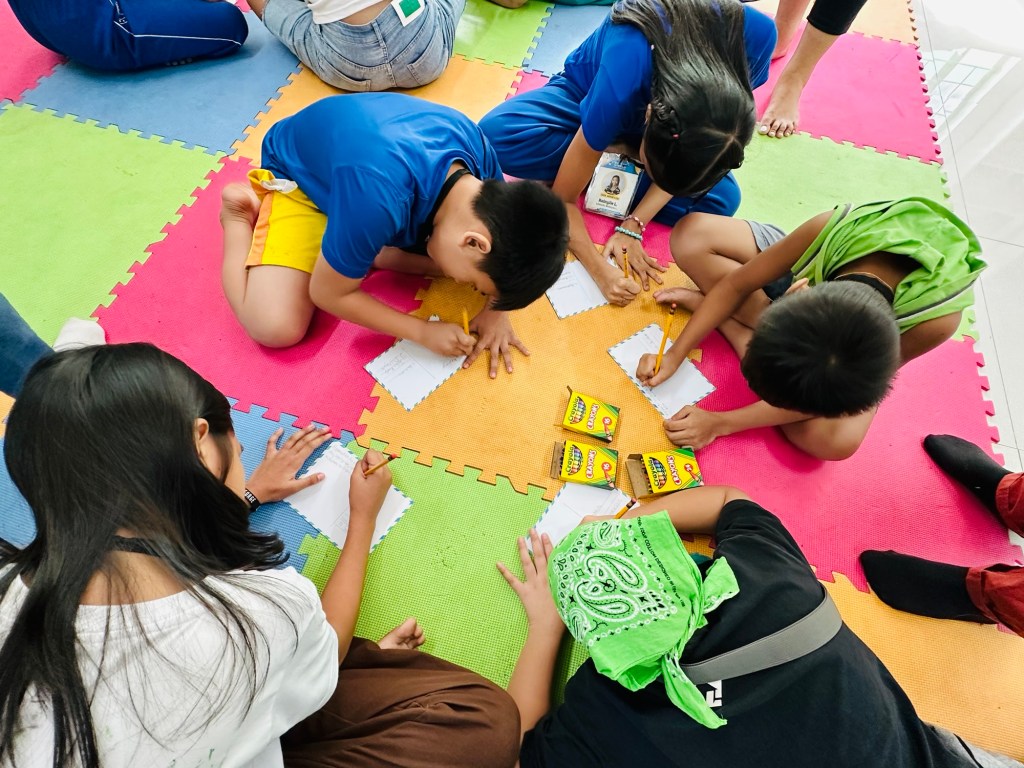
Our team members read the story aloud in both English and Filipino, engaging with the children as “teachers” in fun activities. The children also wrote heartfelt letters to Bakawan, expressing their thoughts and reflections. This session not only emphasized the joy of reading but also taught an important lesson on environmental sustainability.
The Power of Positive Interventions
Interacting with these children was both joyful and inspiring. Despite coming from underprivileged backgrounds, their curiosity and enthusiasm were remarkable. I realized how crucial intervention programs like those provided by AHA Learning Center truly are.
The teachers at AHA are well-trained, compassionate, and dedicated. They ensure that the children remain motivated and proactive through constant encouragement. I learned a lot from these young educators!
After the session, we were given a tour of the facilities, where we saw other ongoing programs, including support initiatives for the children’s parents. Their holistic approach to education and community development was truly impressive.
Though our time there was short, the impact was profound. Encouraging employees to take part in CSR programs isn’t always easy, but this experience was undoubtedly worthwhile. The children, their parents, teachers, and staff are now in our prayers.
In my closing message to the children, I shared this sentiment:
I see hope and dreams in this school called Better World. If you dare to hope and dream big, the world around you can truly become better. So study hard, play hard, and never stop believing in a brighter future!
The Paradox of the Digital Age
In today’s highly digitized world, access to knowledge has never been easier. Theoretically, anyone can educate themselves. However, in reality, many people waste time on endless social media posts, video clips, and celebrity gossip.
Ironically, while knowledge is more accessible than ever, many people fail to access something truly meaningful. Instead, we create echo chambers, reinforcing narrow perspectives. Instead of expanding our minds, we become more blind.
This is why educational interventions—like those by AHA Learning Center—are essential. Simply having access to knowledge is not enough. Guidance and structured learning play a crucial role.
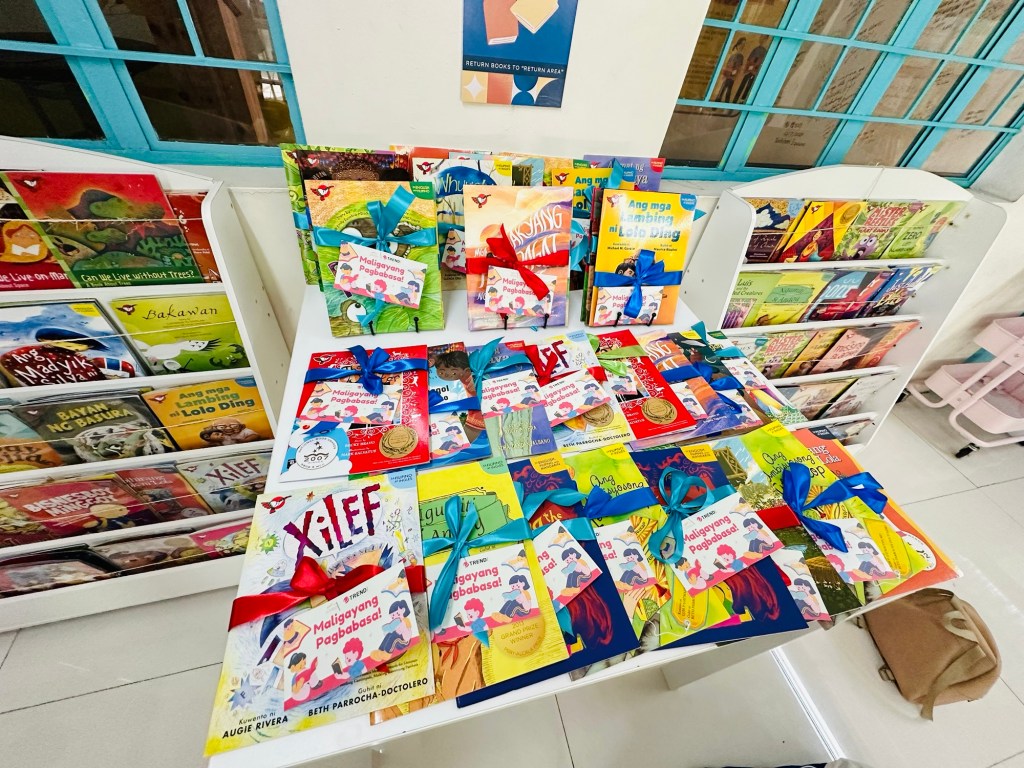
Programs like the reading session I participated in introduce children to insightful and informative books, such as “Bakawan”. The right intervention at the right time can shape a child’s future.
The Core of Education: Igniting Dreams
Most of us can recall “life-changing experiences”—perhaps reading a particular book, meeting an inspiring mentor, or encountering a transformative idea. These moments shape our perspectives and ignite our aspirations.
This is the essence of education—to ignite the fire of hope and dreams in children’s hearts.
This alone is enough. Once that fire is lit, educators only need to keep it burning by providing the right opportunities for learning. We don’t need to force children to study through fear or pressure.
All we need to do is encourage them to dream big and believe in a brighter future.
Image: Photos captured by the author.
 Tom’s Blog