
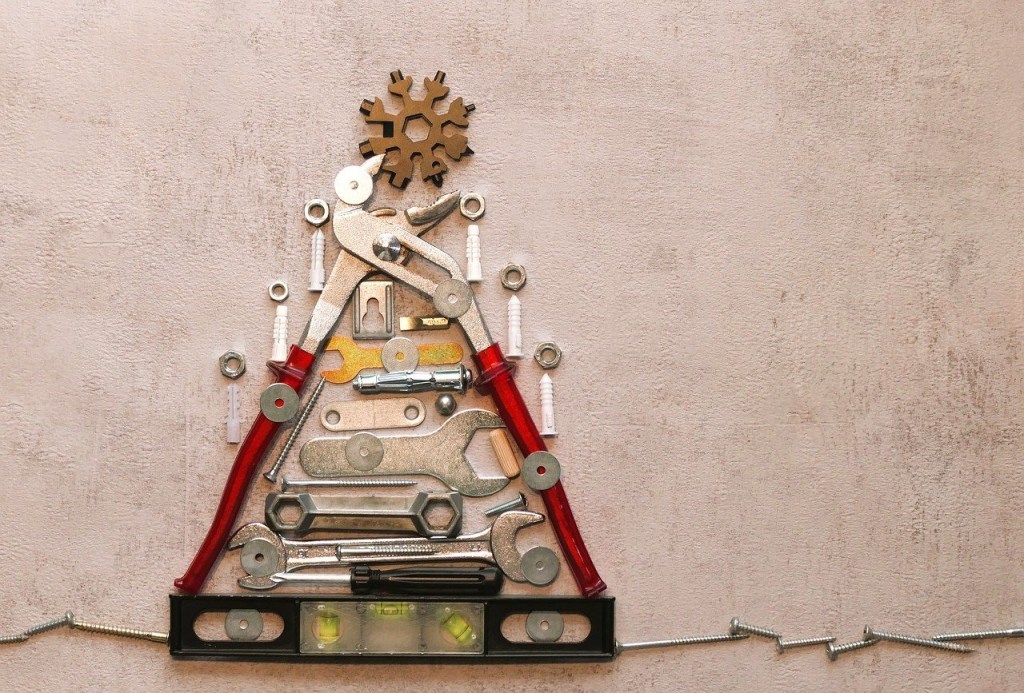
Have you ever noticed how we sometimes get so caught up in how we’re doing something that we forget why we’re doing it in the first place? This happens everywhere—from art and productivity to leadership and beyond. A tool, process, or method meant to achieve something bigger can gradually take over, becoming the main focus instead of a step toward the real goal.
Think about art. Once upon a time, it was a way to serve religion, tell moral stories, or inspire social change. But over time, people started saying, “Art doesn’t need to serve anything—it can exist for its own sake.” That’s when art stopped being a means to an end and became the end itself. It’s a fascinating shift, but it’s also something we see in modern workplaces, personal development trends, and even how we approach productivity. When the process takes over, we lose the plot—and it’s worth exploring why this happens and how we can find our way back.
Art for Art’s Sake
In the 19th century, the idea of “art for art’s sake” became a big deal. Artists and writers started arguing that art didn’t need to serve any moral, political, or religious purpose. It could simply exist as something beautiful or thought-provoking, without any justification beyond that. For artists, this was freeing—they didn’t have to cater to society’s demands. They could create purely for the joy or challenge of it.
But here’s the twist: when art became all about itself, it also became harder to connect with. Suddenly, it wasn’t about what it could do for people—it was about the experience of the artist or a small group of insiders who “got it.” The broader purpose of art—whether to inspire, challenge, or connect—faded into the background.
This shift reminds us of a universal truth: when the process becomes the goal, it can lose its original purpose. Art for art’s sake might celebrate creativity, but it also risks isolating itself from the very people it was meant to reach. It’s a pattern we see over and over in other areas of life.
Are We Getting Better at Getting Nothing Done?
Let’s move to a modern obsession: productivity. Everywhere you look, there are books, podcasts, and courses promising to help you “get more done.” Time-blocking, habit trackers, to-do lists—it’s all part of a booming industry designed to make us more efficient. But have you ever noticed how some of the most productive people seem to spend all their time perfecting their systems instead of actually doing anything meaningful?
It’s ironic, isn’t it? Productivity tools are supposed to help us achieve our goals, but they often become the focus. People meticulously organize their tasks, track every minute of their day, and plan down to the second—yet the big, important stuff gets pushed aside. Instead of using productivity methods as a means to an end, we start treating them as the end itself.
This isn’t just a personal issue; it’s cultural. Being “busy” has become a badge of honor, even if that busyness isn’t leading anywhere. It feels good to check off tasks or optimize our schedules, but we need to ask: are we being productive, or are we just getting better at being busy? Breaking this cycle means focusing less on the system and more on the results—messy, imperfect, real-world results.
Chasing Improvement Without Action
If productivity has its traps, self-help has its own version of the same problem. Think about all the motivational books, seminars, and online courses promising to change your life. They’re inspiring, sure, but how often do they actually lead to lasting change? For many, self-help becomes a kind of endless homework. Instead of taking action, we keep preparing to take action.
The problem is that consuming self-help material feels like progress. Reading a book on personal growth or attending a workshop gives you a sense of accomplishment—even if nothing in your life has actually changed. It’s comforting to stay in this stage because it’s safe. Real change is hard, messy, and sometimes scary. So, instead of taking the leap, we read another book or sign up for another course.
To break free, we need to stop looking for the next big breakthrough and start doing the small, sometimes uncomfortable things that actually lead to growth. Self-help can be valuable, but only if it’s a tool, not a lifestyle. It’s the same lesson: don’t let the process replace the goal.
Are We Managing the Right Things?
Nowhere is the “means-becoming-the-end” problem more evident than in modern leadership and management. Over the years, management has grown into a massive field of study, complete with degrees, certifications, and a whole industry of coaching and consulting. Leaders spend endless hours in strategy meetings, planning sessions, and training workshops. But are all these efforts delivering results—or just sustaining the system of management itself?
Think about it: how many organizations pour time and money into leadership retreats or corporate strategy sessions, only to see little change in how they actually operate? The rituals of management—meetings, vision statements, brainstorming sessions—become self-perpetuating. They’re designed to create clarity and direction, but they often just add complexity.
This isn’t to say strategy and planning don’t matter. They do. But when they take up more energy than the work itself—serving customers, developing products, solving real problems—leaders risk losing sight of why they’re leading in the first place. To fix this, leaders need to reconnect with the mission and remember that their job is to make things happen, not just talk about making things happen.
How Do We Stay Focused on What Matters?
The common thread in all these examples—art, productivity, self-help, and leadership—is that we often let the process take over. We forget why we started and get caught up in how we’re doing things instead of what we’re trying to achieve. It’s a subtle shift, but it can lead us away from the outcomes that matter most.
So how do we avoid this trap? The answer might lie in something simple: reflection. Take a step back and ask, “Why am I doing this? What’s the real goal here?” Whether you’re creating art, managing a team, or trying to improve yourself, it’s worth pausing to make sure the process hasn’t become the goal. It’s not about abandoning systems or methods—they’re valuable tools. But tools only matter if they help you build something real.
Finding Purpose Again
The danger of letting the means become the end is that it leads us in circles. We get busy, we refine our processes, we plan and strategize, but we lose sight of the bigger picture. Yet, the solution is always within reach. By staying grounded in purpose and focusing on results, we can use tools and systems for what they were meant to be: stepping stones toward something greater.
Art becomes more powerful when it connects with people. Productivity becomes meaningful when it helps us achieve real goals. Self-help transforms lives when it moves us to act. And leadership truly shines when it drives action, innovation, and service. The challenge isn’t to abandon methods but to remember what they’re for. After all, the goal is never just to do things right—it’s to do the right things.
Image by Michaela
 Tom’s Blog