
Languages are not set in stone. They change, adapt, borrow, and evolve, reflecting the lives of the people who speak them. The idea of a “pure” language—a pristine, untouched tongue preserved through time—is more myth than reality. Every language, no matter how ancient or modern, is shaped by interactions with others. From creole languages born out of necessity, to constructed languages like Esperanto, to the global rise of English, languages are constantly in flux. And now, with technology like generative AI influencing how we communicate, the way languages evolve is only speeding up.
Creole Languages: Proof That Languages Blend
Creole languages are some of the clearest examples of how languages adapt and grow. They often emerge in situations where people from different linguistic backgrounds need a common way to communicate, like during trade or colonization. At first, these interactions create simplified pidgin languages—basic tools for communication. But over time, these pidgins develop into fully formed languages with their own grammar, vocabulary, and cultural identity.
Take Haitian Creole, for example. It grew out of a mix of French and African languages during a time when enslaved people and colonizers needed a way to talk to one another. Haitian Creole borrowed words from French but built its own structure and rules, shaped by the realities and creativity of the people who spoke it. This blending shows that no language comes out of nowhere—it’s always influenced by others.
Yet, creole languages have often been dismissed as “simplified” or “inferior” versions of their parent languages. This couldn’t be further from the truth. Creoles are innovative and rich, proving that language is not about purity but about solving problems and expressing ideas. If anything, creole languages remind us that all languages are blends of history, culture, and human need.
Esperanto: A Language That Tries to Stay the Same
Esperanto is a language that wasn’t born naturally—it was designed. In the late 1800s, L. L. Zamenhof created Esperanto to be a universal language, something everyone could learn easily and use to connect with people from different cultures. He pulled words and grammar from European languages, aiming for simplicity and neutrality. In some ways, Esperanto is like a creole: it mixes elements from multiple languages. But unlike creoles, it didn’t grow organically. It was built from scratch.
What makes Esperanto interesting is the tension between its original design and how it’s used today. Zamenhof gave Esperanto a strict set of grammar rules to make it consistent and easy to learn. But as people began using it, especially those who grew up speaking it at home, they naturally added their own twists. Over time, regional variations emerged, and speakers began pushing the boundaries of its structure.
This creates a dilemma. Should Esperanto stay exactly as Zamenhof imagined it, or should it evolve like any other language? It’s a debate that echoes the efforts of institutions like the Académie Française, which works to preserve the “purity” of the French language. Esperanto’s journey shows that even when a language starts with fixed rules, it can’t escape change. Languages, like the people who speak them, are always growing and adapting.
French: The Fight to Keep It “Pure”
If you’ve ever heard someone describe French as the “language of elegance,” you’re not alone. French has long been celebrated for its sophistication and precision. But behind this reputation lies a centuries-old effort to control and preserve the language. The Académie Française, founded in 1635, has spent generations deciding what “proper” French should look like. They even create French alternatives to foreign words, like “courriel” for “email” and “mot-dièse” for “hashtag.”
Why all this effort? For the French, language is tied to national identity. After the French Revolution, standardizing the language was seen as a way to unite the country and assert cultural dominance over regional dialects like Breton or Occitan. Today, it’s part of a broader push to protect French from the growing influence of English.
But here’s the thing: French, like all languages, is far from pure. It evolved from Vulgar Latin, picking up words and influences from Germanic tribes, Italian, Spanish, and now English. Words like “ballet,” “piano,” and “garage” are borrowed. The illusion of French purity is just that—an illusion. While the Académie’s efforts might protect French in some ways, they can’t stop it from being shaped by the world around it.
English: The Chameleon of Languages
English is the opposite of French in many ways. Where French has the Académie Française guarding its borders, English has no such gatekeepers. This lack of control has allowed English to become a linguistic chameleon, adapting and absorbing elements from every culture it touches. It’s why English has so many borrowed words—like “sushi” from Japanese, “jungle” from Hindi, and “patio” from Spanish.
This adaptability has made English the global lingua franca, the go-to language for international business, education, and diplomacy. But being everywhere comes with challenges. In formal settings, Standard English dominates, ensuring mutual understanding. However, this can overshadow the vibrant diversity of regional forms like Indian English, Singlish (Singaporean English), and Nigerian English. These versions of English are rich with local flavor, proving that even a “standard” language can splinter into countless variations.
Now, with the rise of generative AI tools like ChatGPT, the story of English is getting more complicated. AI systems are often trained on Standard English, which could reinforce its dominance. But AI also has the potential to learn from and amplify regional variations, bringing non-standard Englishes into the spotlight. This tug-of-war between standardization and diversity mirrors the broader challenges English faces as it continues to evolve.
The Balancing Act: Change vs. Preservation
The stories of creole languages, Esperanto, French, and English all point to a central truth: language is alive. It grows and shifts, shaped by the people who speak it and the forces around it. But there’s always a tension between letting a language evolve and trying to preserve it. Preservation can protect cultural identity and history, but too much control risks making a language feel rigid or out of touch. On the other hand, letting a language change too freely can lead to fragmentation or loss of tradition.
This tension isn’t just theoretical—it’s something we see play out every day. The Académie Française fights to protect French from English influence, while English speakers around the world constantly reinvent the language with their own local spin. Esperanto enthusiasts debate whether to stick to Zamenhof’s original vision or embrace the natural evolution of their community. And creole languages, often dismissed as “simplified,” stand as a testament to human creativity and resilience.
How Generative AI Fits In
Enter generative AI, a technology that could reshape how we think about language. AI tools like ChatGPT write, translate, and adapt language in ways that feel almost human. This technology could push languages in two directions. On one hand, it might promote standardization, making communication clearer and more uniform across the globe. On the other, it could amplify linguistic diversity by learning from the unique ways people speak in different regions.
For English, this could mean the rise of a new, simplified global version—an Esperanto-like tool for universal communication. But it could also mean a richer appreciation of local dialects and non-standard forms, as AI learns to respect the diversity of its inputs. Whatever happens, one thing is clear: AI won’t stop languages from evolving. If anything, it will accelerate the process, forcing us to rethink how we preserve, adapt, and celebrate our languages.
Why Language Matters
Language is more than just a tool for communication. It’s a reflection of who we are—our history, our culture, and our creativity. The idea of a “pure” language might be comforting, but it doesn’t match reality. Languages are living, breathing systems that change as we do. Whether it’s a creole born out of necessity, a constructed language like Esperanto, or a global powerhouse like English, every language carries the story of the people who speak it.
The beauty of language lies in its dynamism. It’s not about choosing between preservation and change—it’s about finding a balance that respects the past while embracing the future. And as technology like generative AI becomes part of that story, we have an opportunity to celebrate the rich diversity of language in ways we’ve never imagined before.
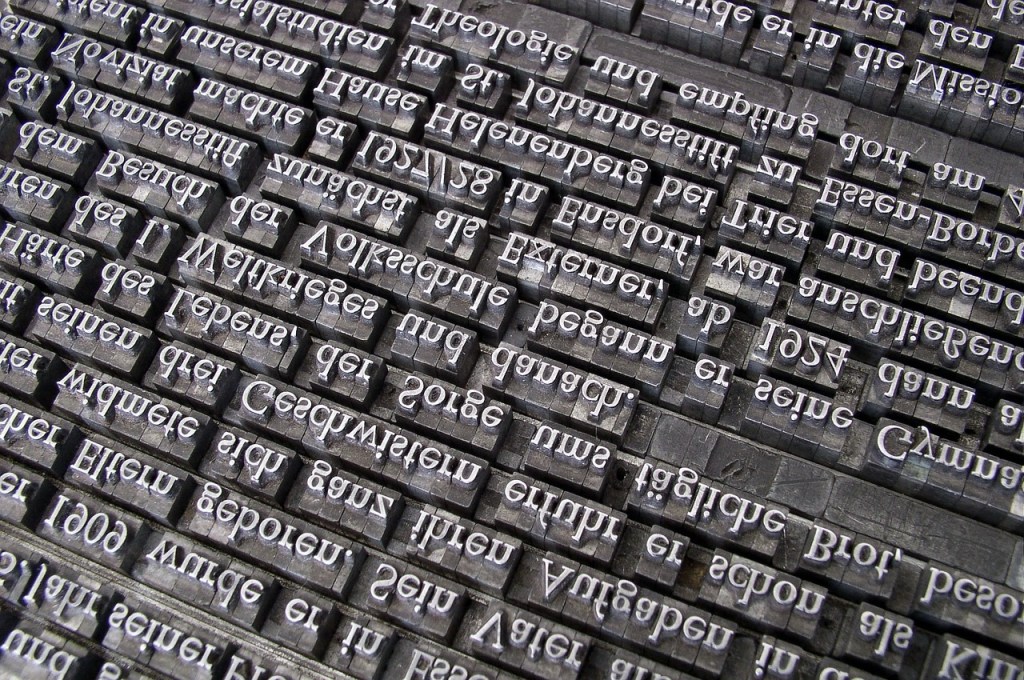
Image by Willi Heidelbach
 Tom’s Blog