
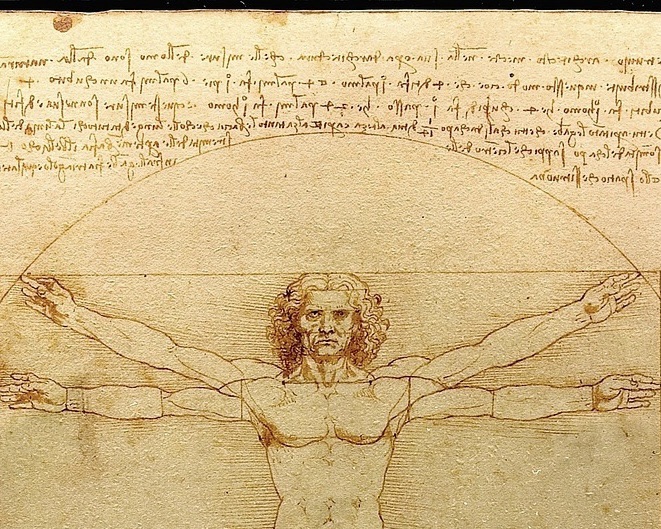
There’s something magical about writing down a thought before it slips away. It’s not just about keeping a record—it’s about giving your ideas a chance to grow and evolve. Leonardo da Vinci, Tadao Umesao, and Pablo Picasso, though they lived in different times and worked in very different fields, shared a common habit: they captured their ideas as they came, whether in notebooks, on cards, or through their art. They didn’t just think—they wrote, sketched, and created as a way to think.
For me, this idea started in my younger days when I read Tadao Umesao’s The Techniques of Intellectual Production (知的生産の技術). In that book, Umesao discussed Leonardo da Vinci’s notebooks and how they embodied the philosophy of writing as thinking. That story stuck with me, planting a seed that has since grown into a lifelong habit. Writing and thinking have become inseparable for me, and I’ve come to see writing as not just a way to capture thoughts, but as the very process of creating and refining them.
What can we learn from da Vinci, Umesao, and Picasso? A great deal, especially in a world brimming with distractions. These remarkable individuals transformed the simple act of capturing ideas into a powerful tool for creativity and thought. Their practices show us how recording and engaging with our ideas can lead to deeper insights and extraordinary achievements in our own lives.
Leonardo Da Vinci: The Notebook Genius
Leonardo da Vinci is often called a genius, but what’s truly fascinating is how he worked. He didn’t produce a mountain of finished paintings—only about 15 survive—but the thousands of pages of his notebooks tell a different story. Packed with sketches, questions, and observations, they reveal a mind constantly buzzing with ideas.
Da Vinci used his notebooks to explore everything. He sketched detailed anatomical studies, doodled ideas for flying machines, and jotted down questions about water flow and light. His notebooks weren’t just a place to store thoughts; they were where his ideas came alive. Writing helped him think things through, make connections, and refine his ideas.
What’s inspiring is how he approached his notes. He didn’t wait for the “perfect” idea or worry about being neat. He wrote things as they came, turning his notebooks into an extension of his mind. For da Vinci, the act of writing wasn’t separate from thinking—it was thinking. That’s a habit we can all learn from.
Tadao Umesao: The Master of Micro-Essays
Fast forward a few centuries to 1969, when Japanese anthropologist Tadao Umesao published a small book called The Techniques of Intellectual Production (知的生産の技術). It wasn’t flashy or long, but it became a bestseller, and people are still reading it today. Why? Because Umesao hit on a powerful idea: note-taking isn’t just about remembering things—it’s about shaping your thoughts.
Umesao suggested treating every note like a tiny essay, what he called a “micro-essay.” Whenever an idea struck, he would write it down as completely as possible, almost like having a conversation with himself on paper. He didn’t stop there—he used small cards to jot down each thought, which he could later sort, combine, and expand into larger works.
This method worked wonders. Over his lifetime, Umesao produced a staggering 23 volumes of collected works. His system, which feels a lot like the modern Zettelkasten method, showed how capturing even small ideas can lead to big things. The takeaway? Don’t just write stuff down—engage with it, shape it, and let it grow.
It was through this book that I first learned about Leonardo da Vinci’s notebooks. Reading Umesao’s reflections on da Vinci’s process was one of the sparks that made me realize the importance of writing as a way of thinking. That younger day discovery has guided me ever since, turning note-taking from a chore into an essential part of how I engage with the world.
The Digital Age: A New Way to Think on Paper
Today, we have tools that da Vinci and Umesao could only dream of: digital note-taking apps like Obsidian, Roam Research, Notion, and Craft. These apps let us organize our ideas, connect them with links, and search through them in seconds. They’re like supercharged versions of da Vinci’s notebooks or Umesao’s cards.
But here’s the thing: the tools don’t matter as much as how you use them. The beauty of digital apps is that they make it easier to revisit and refine your thoughts. Instead of shuffling through a pile of paper, you can instantly find what you’re looking for and see how it connects to other ideas. The key, though, is still the same: write as you think. Don’t wait for a polished idea—capture it while it’s fresh and raw.
That’s the real magic of note-taking. It’s not about creating a perfect system; it’s about creating a space where your thoughts can grow. Whether you’re jotting ideas in a notebook, typing into an app, or scribbling on a sticky note, the important thing is to keep writing.
Pablo Picasso: Thinking Through Doing
While da Vinci and Umesao used writing as their primary tool, Pablo Picasso thought with his hands. Picasso didn’t just think about art—he made it, and he made a lot of it. Over his lifetime, he created more than 50,000 works, including paintings, drawings, sculptures, and ceramics.
For Picasso, every piece of art was a way to explore an idea. He didn’t worry about perfection—he embraced imperfection as part of the process. Where da Vinci might have spent years perfecting a single painting, Picasso would dive in, experiment, and move on to the next thing. His art was his notebook, a record of his thoughts and creative experiments.
What’s amazing about Picasso is how he treated creation as a conversation with himself. Just like da Vinci used his notebooks to refine ideas and Umesao wrote micro-essays to develop essays, Picasso used his art to explore his thoughts in real time. The lesson here? Don’t wait for inspiration or the “perfect” moment—start creating and let the ideas come as you work.
Why Capturing Ideas Matters
So why does all this matter? Because capturing your ideas—whether through writing, sketching, or creating—is one of the best ways to think deeply. It’s not just about preserving your thoughts; it’s about exploring them, developing them, and turning them into something meaningful.
Leonardo da Vinci’s notebooks show us the power of curiosity and observation. Tadao Umesao’s card system teaches us that even small ideas can lead to big breakthroughs. And Pablo Picasso’s prolific art reminds us to keep experimenting and creating, no matter what. Together, they show us that capturing ideas isn’t just a habit—it’s a way of life.
For me, this habit has shaped everything I do. That early discovery in Umesao’s book planted the idea that writing is thinking, and it’s been a guiding principle ever since. Every note I take feels like a conversation with myself, a small act of creation that adds up over time.
How You Can Start Today
You don’t need to be a genius like da Vinci or a master like Picasso to get started. All you need is a notebook, a phone, or even a stack of index cards. When an idea comes to you, write it down. Treat each note like a mini-essay—something complete enough to stand on its own. And don’t be afraid to revisit your notes, connect them, and see where they lead.
The act of capturing ideas isn’t just about productivity; it’s about thinking more deeply, staying curious, and engaging with the world around you. Whether you’re writing in a journal, sketching in a notebook, or experimenting with a new creative project, the important thing is to keep the habit alive. Who knows? You might just discover something extraordinary.
Blogs and Stories as Modern Notebooks
In today’s world, writing a blog post on WordPress or a story on platforms like Medium has become an accessible and valuable way to capture and develop ideas. Much like Leonardo da Vinci’s notebooks or Tadao Umesao’s card system, the act of daily writing transforms fleeting thoughts into something tangible and lasting. A blog post, even if short or imperfect, serves as a modern “micro-essay,” helping you clarify your thinking and engage in a continuous process of discovery.
Writing every day fosters a habit of reflection. Each post becomes an opportunity to explore ideas in real-time, allowing them to evolve with every word. The practice isn’t about perfection; it’s about the act of thinking on the page, much like how da Vinci sketched out his questions or Picasso created artwork to explore new possibilities. Blogging also makes your ideas visible to others, opening up the chance for feedback and dialogue, which can deepen your understanding and spark new directions.
Over time, daily writing builds a repository of your thoughts—an archive that you can revisit, connect, and expand. Just as Umesao’s cards could be rearranged into larger essays, your blog posts can grow into more significant works, whether it’s a book, a project, or a refined perspective on a topic. The important thing is to show up every day, capture your ideas, and let the process guide you. In doing so, you join a long tradition of thinkers and creators who understood that writing isn’t just a way to record ideas—it’s a way to live them.
Image by WikiImages
 Tom’s Blog