
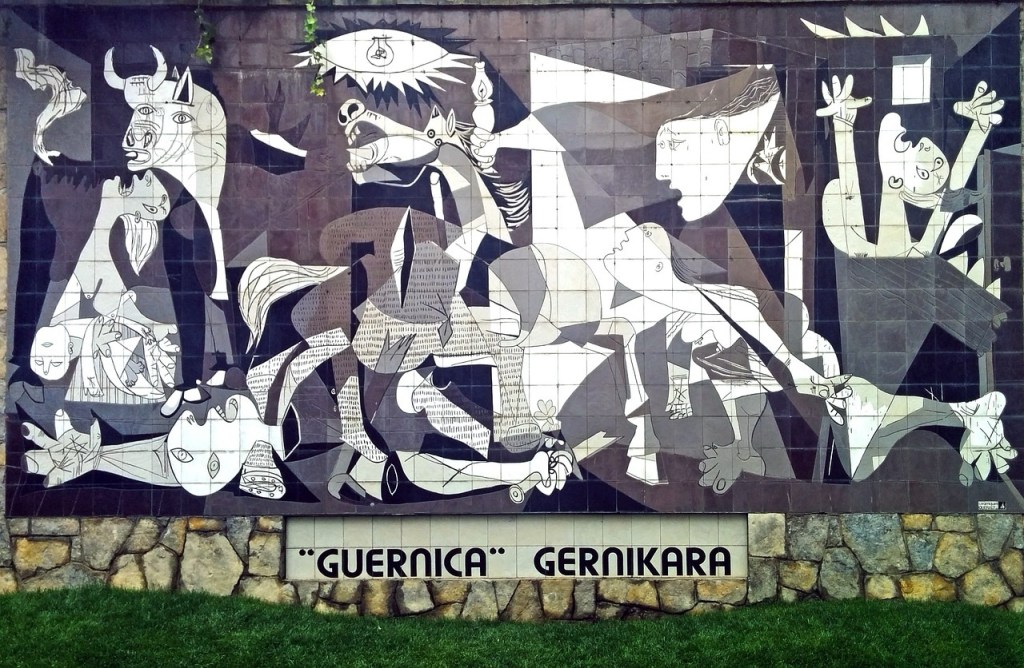
Pablo Picasso wasn’t just an artist—he was a force of nature. Over the course of his life, he is believed to have created tens of thousands of works of art, including paintings, drawings, sculptures, and ceramics. Some estimates suggest his total output may exceed 50,000 pieces, or even as high as 150,000 when prints and illustrations are included. This sheer volume sets him apart from almost every other artist in history.
But Picasso wasn’t simply churning out work to hit some imaginary quota. His productivity was the result of something deeper: an insatiable curiosity and a relentless drive to explore what’s possible.
For anyone pursuing creativity—whether in art, writing, or any other endeavor—Picasso’s life holds a profound lesson. True greatness doesn’t come from chasing numbers or creating for the sake of output. It arises from a deep commitment to one’s craft, where the act of creating becomes as natural and essential as breathing. Picasso’s approach to art serves as a timeless example of how curiosity and passion can fuel a life of boundless creativity and meaningful work.
Creativity Is About Constant Exploration
Picasso didn’t stick to one style or one way of thinking. He reinvented himself over and over again, moving from the somber tones of his Blue Period to the groundbreaking abstract forms of Cubism. His work was a journey, not a destination.
This wasn’t just about trying to keep things fresh—it was about pushing boundaries. Picasso seemed to live in a constant state of “What’s next?” Every piece he created opened the door to new possibilities, new ideas, and new ways of seeing the world. He wasn’t afraid to experiment, fail, or change direction, and that’s what made him extraordinary.
For those of us who aren’t world-famous artists, there’s still a lot to learn here. The real magic happens when we stop trying to be perfect and start focusing on the process of exploration. Whether you’re writing, painting, or building something new, it’s the act of trying, testing, and experimenting that moves you forward.
Why Quantity Matters (But Not in the Way You Think)
Picasso’s output is often seen as proof of his genius. But here’s the thing: he didn’t set out to create tens of thousands of pieces. That wasn’t the goal—it was the result. Picasso wasn’t driven by numbers; he was driven by his curiosity. His endless pursuit of new ideas naturally led to an astonishing amount of work.
This is a crucial distinction. Productivity isn’t about setting quotas or obsessing over how much you’re producing. It’s about being so deeply immersed in what you’re doing that creating becomes second nature. When you’re genuinely engaged, the quantity takes care of itself.
Think about it this way: If you focus on showing up every day and giving your best effort, the results will come. Picasso’s life teaches us that it’s not about how many times you create, but about how deeply you’re committed to the process of creating.
The Power of Asking “What’s Next?”
One of the things that made Picasso so remarkable was his constant curiosity. He was always asking, “What’s next?” This question kept him moving forward, avoiding stagnation and unlocking new creative breakthroughs.
This mindset isn’t unique to Picasso. It’s at the heart of all great innovation. Consider the world of technology, where breakthroughs in artificial intelligence—like the development of generative models—are driven by a similar focus on progression. These advances don’t happen by accident; they’re the result of countless iterations and a relentless curiosity about what’s possible.
The same is true in our own lives. When we approach our work with a spirit of curiosity and a willingness to explore, we open ourselves up to endless possibilities. Like Picasso, we don’t need to have all the answers—we just need to keep asking the right questions.
Writing Every Day
For writers, Picasso’s life offers a powerful metaphor. Writing every day isn’t about meeting a word count or forcing yourself to produce something. It’s about living in a state of engagement with ideas. Each day’s writing builds on the last, creating a flow of thought that grows and evolves over time.
When you write every day, you’re not just putting words on a page—you’re exploring, experimenting, and refining your ideas. The act of writing becomes a way of thinking, a way of learning, and a way of connecting with the world. It’s not about quantity for its own sake—it’s about staying curious and committed to the process.
Creativity and the Universe
Picasso’s creativity can feel almost superhuman, but it’s also deeply connected to something universal. Just as the universe itself evolves through patterns and complexity, human creativity emerges from the interplay of curiosity and effort. Each piece of art, each written word, is part of a larger process of discovery.
This perspective is both humbling and inspiring. It reminds us that creativity isn’t just about individual talent—it’s about being part of something bigger. When we create, we’re participating in a timeless process of exploration and expression. Picasso’s life shows us that creativity is not only a gift but a responsibility, a way of contributing to the ongoing story of life.
Living Fully Engaged
At the heart of Picasso’s life is a lesson about joy. For him, creating wasn’t a chore or a job—it was simply who he was. He lived and breathed art, pouring his curiosity and passion into everything he did. This joy of creation is something we can all aspire to, no matter what we’re working on.
Living fully engaged means finding fulfillment in the process itself, not in the external rewards or recognition that may come later. It’s about being so connected to your work that it feels less like effort and more like play. Picasso reminds us that when we love what we do, the act of doing it is its own reward.
A Life Inspired by Curiosity
Picasso’s life is a powerful reminder that creativity is about so much more than talent or skill. It’s about showing up every day, asking questions, and staying curious. It’s about embracing the process of creation, not as a means to an end, but as an end in itself.
For those of us striving to be more creative—whether in art, writing, or any other pursuit—the best thing we can do is follow Picasso’s example. Live with curiosity, commit to the process, and never stop asking, “What’s next?” In doing so, we not only create more but also live more fully. And isn’t that what creativity is all about?
Image by Almudena Sanz
 Tom’s Blog