
The kitchen light spills onto the floor as mother prepares dinner, her movements creating a dance of familiar sounds – the gentle clink of plates, the sizzle of cooking, the soft hum of household machinery. For a child in the late twentieth century, these evening routines formed the heartbeat of family life. The anticipation of a favorite meal could transform an ordinary day into something special, each taste and aroma embedding itself into the storehouse of memory.
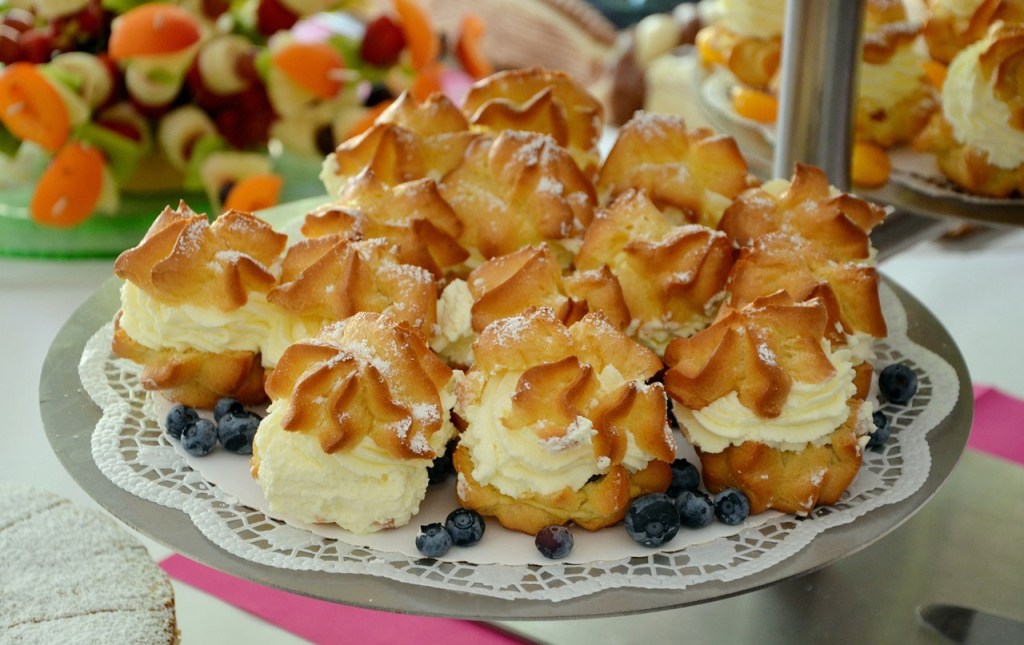
As darkness settled outside, the sound of the front door opening would send a thrill through the house. Father’s return from work carried its own particular excitement, especially on those evenings when he arrived bearing unexpected treats. A cream puff, wrapped carefully in white paper, becomes more than just a sweet – it transforms into a token of love, a small proof that someone thought of you while they were away. These simple gifts take on an almost magical quality in childhood, each bite savored with the pure joy that seems reserved for the young.
The evening would gather the family around the television, creating a circle of warmth and togetherness that felt eternal in those moments. Parents and children shared this space until the inevitability of bedtime drew the younger ones away, often amid protests that tomorrow was not, in fact, a school day. These nightly rituals, repeated thousands of times across millions of homes, created the foundation of what we would later recognize as the essence of family life.
The Extended Family Constellation
Visits to grandparents’ houses added special chapters to the story of childhood. These journeys carried their own particular excitement, whether they involved long car rides or short walks down familiar streets. Grandparents’ homes existed in a different temporal space, where rules might be slightly more relaxed and treats appeared with mysterious frequency. The unique scent of each house, the particular way sunlight fell through different windows, the special chairs that seemed to belong only to certain people – all these details wrote themselves into permanent memory.
The relationships with extended family members created their own subtle hierarchy of closeness and distance. Uncles and aunts occupied an interesting middle ground between the authority of parents and the indulgence of grandparents. Their presence added depth to family gatherings, bringing new stories, different perspectives, and often their own children who became temporary playmates or lasting friends. These relationships helped children understand the broader web of family connections that extended beyond the immediate household.
During holiday seasons or special occasions, these extended family gatherings took on an almost theatrical quality. Each person played their familiar role – the aunt who always brought the same dish, the uncle who told the same stories, the cousins who picked up their friendships exactly where they left off months ago. These recurring characters and their predictable patterns provided comfort and continuity, creating a sense of stability in the growing child’s world.
The Digital Window to Yesterday
Modern technology has created an unexpected portal to the past. When old television programs surface on YouTube, they bring more than just entertainment – they carry the power to transport us back to specific moments in time. The jingles of old commercials, the fashion choices of past decades, even the particular quality of video recording from different eras can trigger a flood of memories. These digital artifacts serve as time capsules, preserving not just the content of shows but the context of entire evenings spent together as families.
The sounds and images from these recordings work like keys unlocking forgotten rooms in memory. A particular theme song might recall not just a favorite program, but the specific arrangement of furniture in a childhood living room, the texture of a familiar carpet, the way a parent laughed at certain jokes. These memories emerge with surprising clarity, as if time had merely placed a thin veil over them rather than burying them completely.
Yet watching these old programs also brings a bittersweet awareness. The very technology that allows us to revisit these moments also highlights their distance from us. The world captured in these recordings exists now only in memory and digital preservation. The casual certainty of those family evenings – the assumption that this was simply how life would always be – reveals itself as a beautiful but temporary gift.
The Departure Lounge
As years pass, the realization grows that many of the central characters in our childhood memories have left the stage. Grandparents, who seemed like permanent fixtures in the landscape of family life, are often the first to go. Their departure creates the first significant holes in the fabric of family continuity, the first empty chairs at holiday gatherings. Parents, once seemingly invincible figures who could solve any problem and heal any hurt, age before our eyes, their mortality becoming impossible to ignore.
Counting the absent faces becomes an exercise in loss, but also in appreciation. Each person who has departed took with them a unique way of laughing, a particular manner of telling stories, specific habits that will never be exactly replicated. Yet they also left behind the imprint of their love, their wisdom, their particular way of viewing the world. These legacies continue to influence and shape the living, creating invisible bridges between generations.
The recognition of our own mortality follows naturally from witnessing these departures. Understanding that we too will someday exit this world brings both anxiety and a strange sort of peace. It reinforces the importance of creating meaningful moments with those still here, of building memories that will outlast our physical presence.
The Wheel Turns
Yet even as familiar faces disappear, new ones emerge. Children are born, bringing with them all the hope and possibility that we once represented to our own elders. These new arrivals reset the cycle, placing us in the roles once occupied by those we now miss. The responsibility and opportunity to create memorable moments for these young ones offers a kind of continuation, a way to pass forward the love we once received.
Simple interactions with these children – sharing a treat, teaching a skill, offering comfort – mirror those precious moments from our own childhood. We become the creators of memories for a new generation, our actions and words potentially becoming the treasured recollections they will carry forward. This perspective adds weight and meaning to ordinary moments, knowing they might someday be viewed through the lens of cherished memory.
The hope of heavenly reunion provides comfort when the weight of absence feels too heavy. Whether this hope springs from religious faith, spiritual belief, or simply the heart’s desire to maintain connection with those we’ve lost, it offers a way to maintain emotional bonds beyond physical separation. It suggests that the story of family continues beyond what we can see, that love transcends the boundaries of time and space.
The Deeper Current
Running beneath all these individual stories and memories flows a deeper current of human experience. The pain of parents who lose children reveals the profound depth of family bonds. Eric Clapton’s “Tears in Heaven,” written after the loss of his young son, captures this heartbreaking journey. The song poses haunting questions about recognition and reunion in the afterlife, touching the deepest fears and hopes that parents carry.
These tragic departures from the natural order of things cast a different light on family memories. They transform ordinary moments – a shared meal, a bedtime story, a simple hug – into precious gems of experience that can never be recovered. They remind those who still have the privilege of family life to treasure each moment, to recognize the gift in even the most mundane interactions. The song’s gentle questioning about time, memory, and love beyond death speaks to anyone who has faced such profound loss.
Yet even in loss, the cycle of family life continues. New children arrive, bringing with them the possibility of joy, the chance to create new memories, the opportunity to pass on the lessons and love we received from those who came before. In this way, family life resembles less a straight line than a spiral, returning to similar points but always at different levels, carrying forward the accumulated wisdom and love of generations. Like the song’s bittersweet melody, it reminds us that love persists even when those we cherish are beyond our reach.
The Eternal Dance of Memory and Time
Memory works like a living thing, constantly shifting and evolving as we move through life. Those sweet remembrances of childhood – the cream puff from father, the sound of mother in the kitchen, the warmth of grandparents’ affection – gain new layers of meaning as we age. What once seemed simply pleasant moments reveal themselves as threads in a vast pattern of love and connection spanning generations.
Understanding our place in this generational sequence brings both responsibility and solace. We become aware that we’re not just the recipients of family love and tradition, but also its custodians and transmitters. The gestures of kindness we show to the young ones around us today might echo forward through decades, just as we still carry the impact of long-ago kindnesses shown to us. This awareness can transform ordinary interactions into opportunities for creating lasting positive impressions.
Time moves in only one direction, and we cannot recapture those precious moments with loved ones who have departed. Yet through memory, through the continuing bonds of love, and through our actions toward the next generation, we maintain connection with what has passed while creating meaning for what lies ahead. Whether or not we meet our loved ones again in heaven, their influence lives on in the ways we love, the stories we tell, and the memories we create for others. In this way, family life becomes eternal – not through endless preservation of single moments, but through the continuing dance of memory, love, and legacy across generations.
Image by congerdesign
 Tom’s Blog