
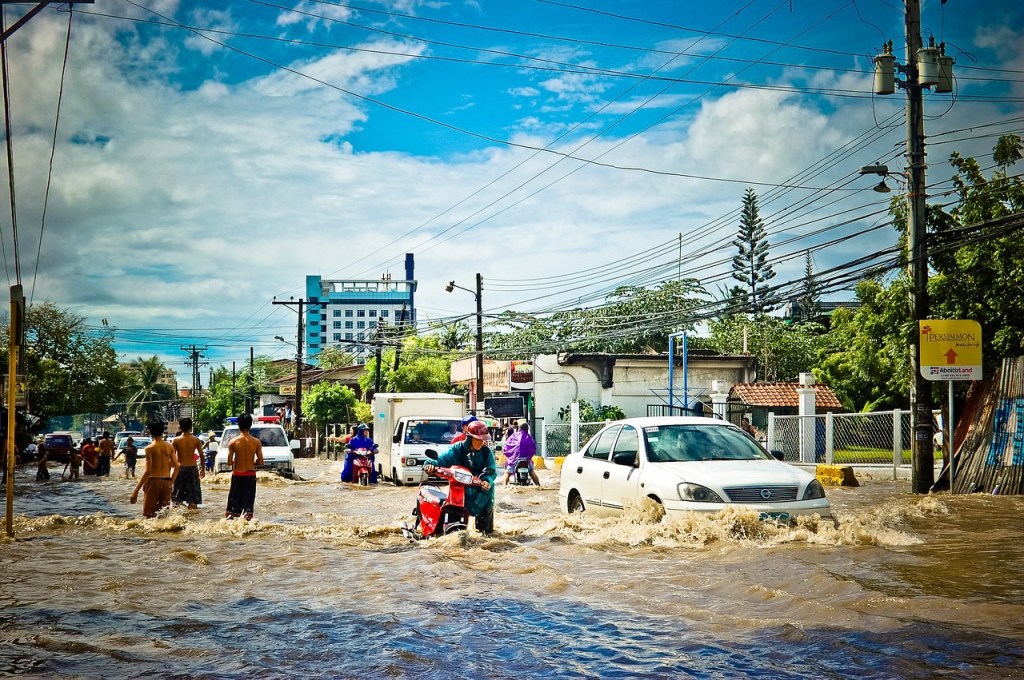
Every year, tropical nations face a familiar pattern of destruction. News reports show the same haunting images: homes submerged in floodwater, families evacuating to safety, and communities struggling to rebuild. While storms and flooding affect many regions globally, their impact varies dramatically between developed and developing nations. In countries like the Philippines, these disasters have become so regular that they seem like an inevitable part of life, particularly for low-income communities living in vulnerable areas.
The contrast with developed nations is stark. Japan, through decades of infrastructure investment, has created systems that significantly reduce storm damage. Countries like Switzerland benefit further from their geographical position and mild climate, rarely facing the intense tropical storms that plague nations near the equator. This disparity reveals how natural disasters, while natural in origin, have profoundly unnatural consequences shaped by human factors.
These differences in vulnerability and resilience highlight a global inequality that extends beyond mere economic metrics. When similar storms strike different regions, the resulting human cost varies dramatically based on local infrastructure, resources, and preparation. This pattern creates a cycle of destruction that disproportionately affects those least equipped to recover from it.
The Hidden Costs of Geography
The impact of geographic location extends beyond immediate storm damage. Tropical countries face additional burdens that create long-term economic disadvantages. For instance, the need for year-round air conditioning in these regions imposes significant energy costs on businesses and institutions – a requirement that temperate countries like Switzerland avoid thanks to their natural climate advantages.
These ongoing operational costs reduce the resources available for infrastructure improvement and economic development. The result is a self-reinforcing cycle: higher operating costs mean less investment in infrastructure, which leads to greater vulnerability to storms, which in turn drains resources that could otherwise go toward development.
The concentration of population in urban areas further complicates this challenge. Unlike developed nations that urbanized gradually over centuries, many tropical countries face rapid population growth in cities that lack adequate infrastructure. The resulting density makes implementing improvements extremely difficult, creating a complex challenge that differs fundamentally from the historical development path of nations like Japan or Switzerland.
Governance and Resource Distribution
The availability of international aid highlights another dimension of this challenge. While global support flows to disaster-struck regions, transforming this temporary assistance into lasting infrastructure improvements faces numerous obstacles. Weak institutional capacity, coordination challenges between organizations, and the immediate pressures of disaster response often prevent aid from contributing to long-term solutions.
These governance challenges interact with social and cultural factors in complex ways. In many vulnerable areas, the absence of basic infrastructure creates conditions that make maintaining community spaces difficult. What might appear as negligence often reflects deeper systemic issues: limited access to waste management services, unclear property rights, and the prioritization of immediate survival needs over longer-term community care.
The development of informal settlements adds another layer of complexity. These areas, often home to the most vulnerable populations, typically evolve outside formal planning processes. The lack of clear property rights and official recognition can discourage investment in infrastructure, while dense, unplanned development makes later improvements extremely challenging.
Breaking the Cycle
While the challenges facing tropical nations might seem overwhelming, various approaches offer hope for positive change. At the community level, local organizations can build resilience through improved disaster preparedness, early warning systems, and mutual support networks. Education and empowerment initiatives can help communities better understand and advocate for their needs.
Success often begins with small-scale improvements that demonstrate the possibility of change. Simple initiatives like neighborhood drainage maintenance or community emergency response teams can save lives and reduce suffering. These incremental changes, while modest in scope, provide concrete examples of progress that can inspire broader action.
The mental health aspect of recurring disasters requires particular attention. Communities need support in maintaining hope while facing realistic challenges. Creating spaces for people to share experiences and build collective resilience helps transform feelings of helplessness into opportunities for positive action.
Looking Forward
The path to reducing disaster vulnerability in tropical nations requires rethinking traditional development approaches. Rather than attempting to exactly replicate the infrastructure of developed nations, innovative solutions that account for local conditions and constraints may prove more effective. This might include distributed systems, new technologies, or alternative approaches to urban development that better suit rapidly growing tropical cities.
Progress depends on addressing multiple interconnected challenges simultaneously: improving infrastructure, building institutional capacity, supporting community resilience, and reducing climate change impacts. While this complexity makes quick solutions impossible, it also reveals multiple points where positive intervention can begin.
The key lies in recognizing that while the challenges facing tropical nations differ fundamentally from those historically faced by developed countries, this difference demands innovation rather than resignation. By understanding these unique circumstances and supporting locally appropriate solutions, communities can gradually break free from the cycle of recurring devastation and build more resilient futures.
Image by J Lloa
 Tom’s Blog