
Religion has shaped cultures and societies in profound ways. Protestantism and Catholicism, while both Christian traditions, offer distinct approaches to how faith is practiced. These differences can be framed as a contrast between “extroverted” and “introverted” religious practices.
Protestantism emphasizes public expressions of faith and often places its leaders, like pastors, at the center of religious life. Catholicism, on the other hand, focuses more on introspective, ritual-based worship, where anonymity and collective tradition play a larger role.
This difference not only shapes personal faith but also influences broader societal structures, including issues like crime and economics.
Extroversion in Protestantism: The Public Face of Faith
Protestantism, especially in its evangelical forms, is characterized by its extroverted nature. Central to this is the sermon, where pastors often deliver long, motivational speeches. These pastors frequently become charismatic figures, sometimes reaching celebrity status in their communities. They lead large congregations and even influence social and political discussions. The visible, public role of the pastor reflects the extroverted ethos of Protestantism.
This extroversion is also seen in the practice of testimonials, where individuals share personal stories of faith in front of the congregation. These moments emphasize personal transformation and the power of public faith. Similarly, public prayers in Protestant services often require a level of eloquence and spontaneity, further encouraging individuals to actively display their spiritual experiences.
Max Weber’s concept of the Protestant ethic comes into play here. Protestantism’s focus on personal responsibility and individual interpretation of Scripture—rooted in the principle of sola scriptura (by scripture alone)—has historically aligned with strong work ethics and economic achievement. This connection to individualism and discipline has made Protestantism particularly appealing to business-minded individuals, who view hard work and success as expressions of their faith. The extroverted culture fosters this, as public acknowledgment of faith and achievement becomes intertwined.
Catholicism’s Introversion: The Private Practice of Faith
In contrast, Catholicism takes a more introverted approach to faith. Catholic worship revolves around ritual and tradition, with a strong focus on sacraments like the Eucharist and confession. Priests, while important, do not have the same public-facing role as pastors in Protestantism. In many Catholic communities, priests rotate between parishes, ensuring that no one priest becomes the focal point of religious life. This anonymity helps maintain a collective focus on the Church and its traditions rather than elevating individuals.
The sacrament of confession is a clear example of this introverted nature. Unlike public testimonials, confession is a private, personal moment between the individual and the priest. It allows for deep reflection without the pressure of public performance. Similarly, prayers in Catholicism are often formal and recited, such as the Our Father and Hail Mary. These prayers, shared by the entire congregation, emphasize unity and humility rather than individual expression.
This introverted approach fosters a quieter, more contemplative form of faith. It also shapes Catholic social engagement. While Protestantism’s individualism aligns with entrepreneurialism, Catholicism’s focus on community and interdependence leads to active engagement in social justice and charity work. Mother Teresa, for example, embodies Catholicism’s emphasis on helping the poor. This tradition of service reflects the Church’s commitment to supporting the vulnerable, rather than promoting individual success.
The Irony of Leadership: Public Figures vs. Anonymity
There is an irony in how leadership has evolved in Protestantism and Catholicism. Protestantism, which emphasizes the “priesthood of all believers” and individual access to God, has led to the rise of influential pastors who often take on celebrity-like roles. This emphasis on personal responsibility and charisma creates a hierarchy where certain individuals hold a special status, despite Protestantism’s original intent to minimize such distinctions.
In contrast, Catholicism, which has been criticized for its hierarchical structure and the privileged role of priests, often minimizes the visibility of its clergy. Priests, while crucial for administering the sacraments, are less central figures in the day-to-day religious life of congregants. Their rotation between parishes and focus on ritual rather than personal influence ensures that no one priest becomes the focus of worship. This system reinforces a sense of humility, where the priest’s role is one of service rather than personal prominence.
This distinction reflects broader differences in how these two traditions approach leadership and community. While Protestantism’s extroverted nature has given rise to public figures who command significant influence, Catholicism’s introverted practices have fostered a more anonymous, collective approach to faith and leadership.
Crime Rates and Religious Influence
Although the main focus here is the extrovert and introvert nature of these two traditions, religion does play a role in broader societal issues like crime. In many Catholic-majority countries, especially in Latin America and Southern Europe, crime rates tend to be higher. This is often linked to issues like economic inequality and weak governance, but religion does influence how societies respond to these challenges.
Catholicism’s emphasis on collective support and tradition can sometimes lead to more passive attitudes toward personal responsibility, especially in regions where institutions are weak. Protestantism, with its focus on individual responsibility and discipline, may encourage more accountability, which could contribute to better governance and lower crime rates. However, it’s important to remember that these are complex issues with many contributing factors beyond religion alone.
Two Approaches to Faith and Society
Protestantism and Catholicism offer two distinct ways of engaging with faith and community. Protestantism’s extroverted nature emphasizes public expressions of faith, charismatic leadership, and individual responsibility. This aligns with strong work ethics and economic success, making it particularly appealing to business people.
On the other hand, Catholicism’s introverted practices foster a more contemplative, ritual-based approach to faith, with a focus on collective support and humility. This focus leads to active engagement in social justice, as seen in the work of figures like Mother Teresa.
These differences shape not only religious life but also broader societal dynamics. Protestantism’s emphasis on individual achievement can foster dynamic, successful communities, but it can also place significant pressure on individuals to perform. Catholicism’s focus on community and humility provides a sense of security and collective purpose but may lack the same drive for personal success.
Both traditions offer valuable insights into how faith can influence not just individual lives but entire societies, creating a complex relationship between religion, culture, and governance.
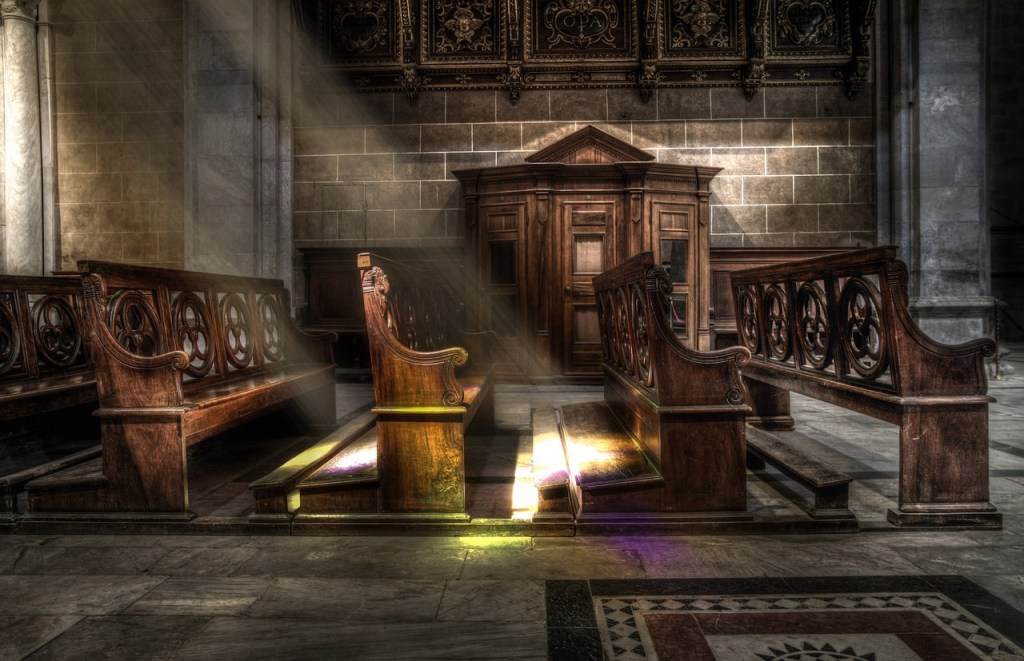
Image by Rudy and Peter Skitterians
 Tom’s Blog