
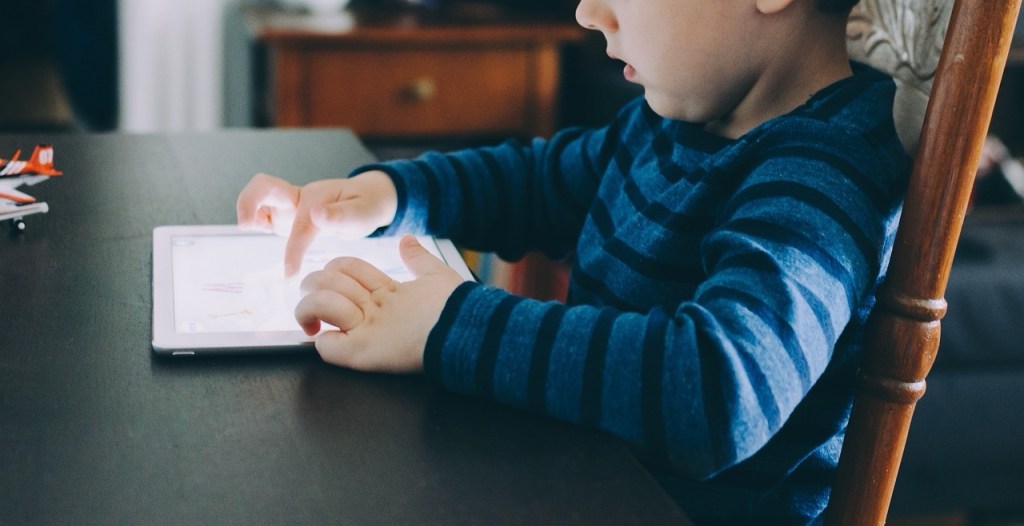
In the modern age, digital devices like smartphones, tablets, and computers have become indispensable tools for learning, creativity, and communication. They offer immense potential for education, access to information, and global interaction. However, as we increasingly integrate these tools into our lives, concerns arise regarding their impact, particularly on children.
The core of the debate is whether these devices are tools for intellectual growth or sources of addiction, particularly in young, impressionable minds.
While they can undeniably be beneficial, their misuse, especially at an early age, carries risks. Striking the balance between the educational potential of these tools and the dangers of overuse is critical, both for children and adults.
Powerful Tools for Education
Digital devices have revolutionized access to knowledge. Never before have we had so much information available at our fingertips. Educational apps, digital textbooks, and AI tools have made learning more interactive and accessible, fostering curiosity in subjects that children may not have otherwise explored.
For instance, AI-driven learning platforms can personalize educational experiences based on a child’s learning style, offering tailored feedback and recommendations that help reinforce lessons. These tools make it possible for children to learn at their own pace, anytime, anywhere, transforming how education is delivered in both schools and homes.
Even more importantly, digital tools allow children to access a global repository of knowledge. Educational apps like Khan Academy or Duolingo, which are available for free, can teach children complex subjects in a fun and engaging manner. AI-powered educational tools can introduce children to subjects like coding, mathematics, or foreign languages in ways that traditional methods cannot match. Moreover, for children with special needs or learning disabilities, these tools often provide accommodations that make learning more inclusive and effective.
However, the issue lies not in the tools themselves but in their overuse. When used judiciously, digital devices can be incredibly beneficial to children’s learning. The key, as many experts suggest, lies in striking a balance between digital and non-digital activities. While digital devices are an excellent means of learning, real-world interactions and experiences remain irreplaceable for cognitive and emotional development.
When Tools Become Harmful
Despite their educational benefits, digital devices also come with potential risks, especially when overused. Excessive screen time has been linked to various developmental issues in children, particularly concerning ADHD and autism spectrum disorder (ASD). Research indicates that children with a genetic predisposition to these neurodevelopmental disorders are more likely to engage in prolonged screen use, which can exacerbate symptoms or lead to behavioral issues associated with these conditions.
Children’s brains are particularly susceptible to the effects of overstimulation caused by constant exposure to fast-paced, highly engaging content found in gaming apps and short videos. Unlike educational tools designed to foster deep learning, many apps and games prioritize engagement through dopamine-triggering activities, which can lead to addictive behavior. This overstimulation can affect children’s attention spans, reduce their ability to engage in sustained focus, and impair their social and emotional development.
Philosopher Jean Baudrillard observed this in the context of media consumption:
We live in a world where there is more and more information, and less and less meaning.
His words remind us that although the availability of digital information has expanded, it often overwhelms without adding meaningful depth. For children, this creates a risk that screen time becomes an empty but addictive experience, rather than a valuable tool for learning and growth.
For these reasons, many experts are now comparing the overuse of digital devices to other forms of addiction, such as substance abuse or sugar consumption. Just as parents regulate their children’s exposure to potentially harmful substances like tobacco and alcohol, there is a growing need to control exposure to addictive digital content. While sugar has historically escaped the same level of scrutiny, its impact on health is well-documented, and it serves as an apt comparison when considering how digital addictions can affect the brain’s reward system, particularly in children.
Parenting in the Digital Age
Parenting has always been a challenging endeavor, but the rise of digital devices introduces new complexities that previous generations never had to face. Parents today are tasked with navigating the fine line between using technology as a tool for education and communication, and protecting their children from the potential dangers of overexposure. The role of parents is not only to provide access to technology but to ensure that children are using these tools in ways that are safe, healthy, and balanced.
The reality is that children primarily learn from their parents. From infancy, children look to their parents to model behavior, particularly in communication and emotional regulation. Philosopher Martin Buber described the significance of human relationships in shaping identity, noting:
All actual life is encounter.
This reinforces the idea that parents’ real-world interactions with their children are fundamental in teaching them how to navigate complex social dynamics, which cannot be replaced by screens.
Moreover, it is during these formative years that children learn the values of patience, empathy, and love—concepts that are best taught through real-life interactions. When a child scrapes their knee, they learn about physical pain and the care that follows. When they wait their turn, they learn patience and self-control. These life lessons are difficult to impart through digital mediums and require real-world experiences that allow children to develop emotionally and socially.
Real-World Exposure
As beneficial as digital devices can be, they should not replace real-world experiences. Children learn best through tactile, sensory, and emotional interactions with the world around them. This type of learning—touching, feeling, hearing, and seeing—is fundamental to the development of cognitive and motor skills. For example, playing with physical toys, engaging in imaginative play, or spending time in nature provides sensory input that is essential for brain development.
In contrast, prolonged digital engagement can rob children of these vital experiences. While digital platforms can simulate some real-world scenarios, they often fail to convey the depth and complexity of human emotions and experiences.
For example, watching a video about a tree is not the same as touching its bark, feeling its leaves, or smelling its scent. Likewise, playing a digital version of a board game does not offer the same social experience as sitting with friends or family, negotiating the rules, and learning to win or lose graciously.
Maria Montessori, an advocate for experiential learning, famously said:
The senses, being explorers of the world, open the way to knowledge.
Her words emphasize that sensory engagement is not just a supplement to learning—it is the foundation upon which deeper understanding is built. For children, the richness of the real world provides learning opportunities that cannot be replaced by screens.
Real Human Interaction
In addition to tactile experiences, human interaction plays a crucial role in the development of communication skills. Digital communication, though convenient, lacks the depth of face-to-face interaction. Real-world conversations involve body language, tone, facial expressions, and emotional nuance—factors that are critical for understanding complex social dynamics. Children need these in-person interactions to learn how to navigate relationships, resolve conflicts, and develop empathy.
Human communication is inherently messy and unpredictable, and children need to experience this reality to develop resilience and adaptability. Real-world interactions can be stressful, as they often involve negotiating emotions and understanding different perspectives. However, these moments are also deeply rewarding, as they offer opportunities for connection, understanding, and mutual growth.
In a world increasingly dominated by digital communication, it is essential for both children and adults to cultivate their real-world communication skills. Albert Einstein once said:
It has become appallingly obvious that our technology has exceeded our humanity.
His observation reminds us that while technology is a powerful tool, it must not come at the expense of our fundamental human experiences. Real-life human connections are the foundation of compassion, empathy, and emotional resilience, values that cannot be taught through a screen.
Striking the Balance
Digital devices are here to stay, and they offer incredible opportunities for education, creativity, and connection. However, as with any tool, their usefulness depends on how they are used. For children, who are still developing their cognitive and emotional capacities, the balance between digital and real-world exposure is critical. Parents play a central role in guiding this balance, ensuring that their children grow up with a strong foundation of real-world experiences, while also benefiting from the educational potential of digital tools.
The key is moderation. Digital devices, when used responsibly, can enhance learning and creativity. However, they should not replace the rich, sensory experiences of the real world or the deep, meaningful interactions that come from face-to-face communication. By striking this balance, we can ensure that children grow up well-equipped to navigate both the digital and the real world with confidence, empathy, and resilience.
Image by StockSnap
 Tom’s Blog