
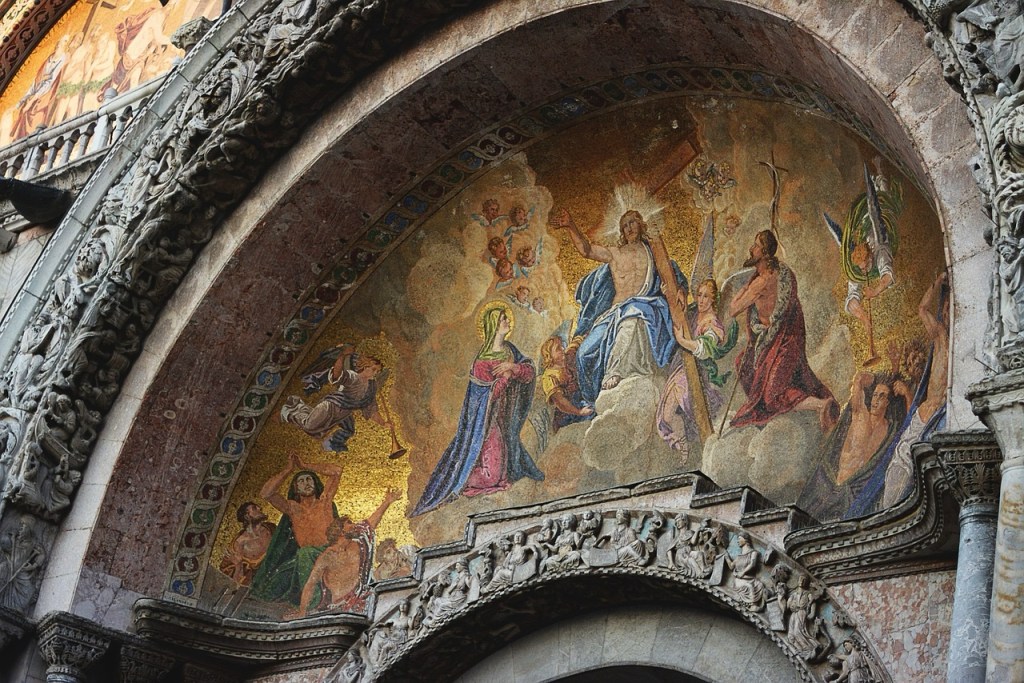
Easter, a pivotal celebration within the Christian tradition, commemorates the resurrection of Jesus Christ, an event that is often heralded as the cornerstone of Christian faith. This remarkable narrative, however, transcends its religious origins, inviting a deeper contemplation of its philosophical and spiritual ramifications.
The resurrection, typically understood within the context of divine miracle and mystery, offers a profound metaphor for eternal life, challenging the temporal confines of human existence. Let’s delve into the layers of meaning embedded within the concept of resurrection, exploring its implications for understanding life, death, and the possibility of a transcendent existence beyond the cyclical bounds of birth and demise.
Through this exploration, we seek to uncover the essence of the resurrection as not merely a triumph over death, but as a gateway to comprehending a form of ‘meta-life’ — an existence that harmonizes with the notion of eternity, transcending the dichotomies and limitations that define our mortal journey.
The Resurrection as Transcendence
The resurrection of Jesus Christ is traditionally celebrated as a miraculous event, a divine intervention breaking the inexorable cycle of life and death. Yet, when we peel back the layers of this narrative, we encounter a profound philosophical and spiritual truth: the resurrection serves as a symbol of transcendence, a beacon illuminating the path beyond the temporal boundaries of our existence.
At the heart of this transcendence is the notion of eternal life, not as an indefinite extension of temporal existence, but as a state of being that stands outside the cycles of birth, life, and death that define the human condition. This eternal life is a form of ‘meta-life,’ a higher state of existence that is not bound by the dualities and limitations that govern our physical, temporal lives. In this light, the resurrection is not simply about life overcoming death in a literal sense; it is about a profound transformation that lifts us out of the temporal stream into a realm of eternal existence.
This concept of transcendence challenges our conventional understanding of time and existence. It suggests that the true essence of life cannot be fully grasped within the confines of temporal progression — from birth to death — but rather, must be understood as part of a larger, eternal entity. The resurrection narrative invites us to consider that our physical birth and eventual death are not the definitive markers of our existence but are merely points within a broader, more profound journey.
In embracing the resurrection as a symbol of transcendence, we are invited to explore the possibility of a life that is not merely bound by the physical laws of the universe but is connected to a deeper, more enduring reality. This perspective offers a glimpse into a state of being where the dichotomies of life and death, temporal and eternal, are reconciled, revealing a path to a fuller understanding of our place in the cosmos.
Kenosis and the Path to the Divine
Central to the Christian understanding of the resurrection is the concept of ‘kenosis,’ a term derived from Greek that signifies a ‘self-emptying.’ This notion is particularly relevant when reflecting upon the life and ultimate sacrifice of Jesus Christ. His journey, marked by suffering and the eventual relinquishment of his earthly life on the cross, serves as a profound exemplar of self-surrender to the divine will. This act of kenosis is not merely an abdication of personal desires but a deep, transformative process that aligns one’s essence with the divine.
Jesus’s path of suffering and surrender is emblematic of the broader human condition. Each individual, in their journey through life, encounters suffering inherent to the human experience. This suffering often stems from our attachments, desires, and the inevitable limitations imposed by our mortal nature. However, the narrative of Jesus’s passion and resurrection offers a transformative perspective: our personal trials and tribulations, when embraced and transcended, can become conduits to a deeper understanding and union with the divine.
The act of kenosis, as demonstrated by Jesus, involves a radical reorientation of the self. It is not a negation of one’s existence but a profound opening to the divine, where the ego’s boundaries are transcended, and a greater, more universal identity is embraced. This self-emptying is a journey towards becoming a vessel for the divine will, where personal desires and ambitions are surrendered to a higher purpose.
Through this lens, Jesus’s suffering on the cross transcends its historical and physical dimensions, transforming into a symbolic act that encapsulates the essence of the human struggle to transcend the ego and align with the divine. His resurrection, following this ultimate act of self-emptying, is not merely a restoration of life but a revelation of a new way of being, characterized by a profound union with the divine essence.
This perspective invites us to contemplate our own capacity for kenosis, challenging us to confront our sufferings and limitations not as ends in themselves but as opportunities for profound spiritual growth and transformation. In embracing this path of self-surrender and alignment with the divine, we too can hope to glimpse the eternal, transcending the limitations of our temporal existence.
Suffering, Sacrifice, and Transformation
The journey of Jesus Christ, culminating in his crucifixion and subsequent resurrection, encapsulates profound themes of suffering and sacrifice. These elements, however, are not to be viewed solely within the context of penance or endurance but as integral components of a transformative spiritual process. This perspective shifts the narrative from one of mere suffering to a profound alchemy where pain becomes the crucible for spiritual rebirth and enlightenment.
Suffering, in the human experience, is often perceived as an aspect of life to be avoided or alleviated. Yet, within the spiritual traditions, suffering holds a paradoxical potential for liberation. In the Christian narrative, Christ’s suffering is not an end in itself but a passage through which a deeper communion with the divine is realized. His acceptance and embrace of suffering on the cross symbolize the ultimate surrender of the ego, the self-constructed identity bound by temporal concerns and fears.
This surrender, however, is not a passive resignation but an active engagement with the very essence of existence. It involves a conscious choice to bear one’s cross, to embrace the trials and tribulations of life not as burdens but as gateways to a deeper understanding of the self and the divine. This process mirrors the concept of kenosis discussed earlier, where the act of self-emptying through suffering and sacrifice opens the individual to the divine presence within.
The transformative power of suffering and sacrifice is further illuminated in the resurrection. This event signifies not just the triumph over physical death but the possibility of a profound personal transformation. The resurrection symbolizes the emergence of a new state of being, one that has transcended the limitations of the physical and temporal realm through the crucible of suffering.
In reflecting upon our own lives, this narrative invites us to reframe our understanding of suffering and sacrifice. Rather than viewing them as mere adversities, we are encouraged to see them as opportunities for growth, avenues through which we can transcend our limitations and come into closer communion with the divine. This process of transformation, while challenging, holds the promise of leading us to a deeper understanding of our purpose and place within the larger cosmic order.
The Kingdom of Heaven Within
In the teachings of Jesus Christ, the kingdom of heaven is often depicted not as a distant or future realm, but as a present reality, accessible within the depths of one’s own being. This notion challenges conventional perceptions of the divine as external or separate from the self, inviting a radical inward journey towards the discovery of a divine kingdom immanent within the human heart.
The resurrection, viewed through this lens, is not merely an historical event but a metaphorical invitation to each individual to experience their own spiritual awakening, to uncover the eternal presence that resides within. This inner kingdom is not bound by physical laws or temporal constraints but exists in a realm of pure being, beyond the dualities that define our earthly existence.
To “see” the kingdom of heaven, as per the mystical traditions within Christianity, requires a profound transformation of consciousness. This transformation entails the relinquishment of the ego, the false self built upon social, psychological, and physical identifications, in favor of a deeper, more authentic identity. It is in this process of self-emptying, or kenosis, that one becomes capable of perceiving the divine reality that lies beyond the surface of material existence.
The resurrection narrative, with its themes of death and rebirth, serves as a powerful allegory for this spiritual journey. Just as Christ transcended physical death through his resurrection, individuals are called to transcend the limitations of their egoic selves, to ‘die’ to their smaller identities in order to ‘rise’ into the awareness of a larger, divine reality.
This inward journey towards the kingdom of heaven is not without its challenges. It demands a radical openness, a willingness to confront and transcend one’s own sufferings and limitations. Yet, it is through this very process of confrontation and transcendence that the gates to the kingdom are opened. The surrender of the ego, symbolized by the cross, becomes the key to unlocking the deeper dimensions of being where the eternal presence of the divine is realized.
In this context, the kingdom of heaven is not a place to be reached after death or at the end of time but a state of consciousness to be attained here and now. It is a state of union with the divine, characterized by peace, joy, and unconditional love, which transcends the transient nature of the physical world.
The Way, the Truth, and the Life
In the narrative of Jesus’s life and teachings, the proclamation “I am the Way, the Truth, and the Life” (John 14:6) encapsulates a profound invitation to a path of spiritual awakening and enlightenment. This statement is not merely a declaration of identity but a guiding beacon for those seeking a deeper understanding of existence and a closer communion with the divine.
The “Way” referred to by Jesus is not a physical path but a spiritual journey, one that involves a radical transformation of the self. This journey is characterized by the principles of kenosis, the self-emptying process, and the embrace of suffering and sacrifice as avenues for spiritual growth. The path demands a relinquishment of the ego, the false self constructed from social, psychological, and material attachments, in favor of a deeper, more authentic identity rooted in the divine.
The “Truth” that Jesus embodies and invites others to discover is not a set of doctrines or dogmas but an experiential reality, a profound realization of the divine presence that underlies all of existence. This truth transcends intellectual understanding, requiring instead a transformation of one’s entire being. It is a truth that is lived and experienced through a life aligned with divine principles, marked by love, compassion, and selflessness.
The promise of “Life” in Jesus’s declaration (John 14:6) is not merely the continuation of physical existence but an invitation to experience a form of eternal life, even within the temporal bounds of the earthly journey. This eternal life is characterized by an unbreakable connection to the divine, a state of being where one is no longer bound by the fears, desires, and limitations of the egoic self. It is a life of profound peace, joy, and fulfillment, rooted in the awareness of the divine reality that permeates all things.
The resurrection of Jesus Christ serves as the ultimate testament to this way, truth, and life. It is a vivid demonstration of the potential for human transformation, a symbol of hope that even the most profound suffering and death can be transcended through faith and alignment with the divine will.
This path, while challenging, is open to all who seek it. It requires a willingness to confront and transcend one’s own limitations, to bear one’s cross, and to surrender fully to the divine presence within. It is a journey of continuous growth, learning, and transformation, leading to the ultimate realization of the kingdom of heaven within.
The Resurrection: Life Through Death
In our journey through the profound depths of the resurrection narrative, we have encountered a fabric woven with rich spiritual and philosophical insights. Beyond its historical significance within Christian tradition, the resurrection stands as a profound emblem of transcendence, urging us to look beyond the temporal confines of our existence and into the infinite expanse of eternity.
Our exploration has highlighted the path of kenosis, where the act of self-emptying reveals the essence of true spiritual surrender. Through the prism of Jesus Christ’s life, his passion, and ultimate resurrection, we’ve come to understand how suffering and sacrifice are not burdens but sacred pathways to profound spiritual transformation and enlightenment.
The kingdom of heaven, as unveiled in these reflections, is not a realm afar but a deep, inner truth nestled within our very being. This divine kingdom is not perceived through the ego’s gaze but through the soul of one who has walked the path of self-transcendence, embodying the way and the truth illuminated by Jesus’s teachings.
As we draw these contemplations to a close, the narrative of the resurrection extends an enduring invitation to each of us to undertake this transformative journey. It compels us to reevaluate our notions of life and death, presenting the paradoxical truth that life is truly gained through death — not merely in the physical sense but through the death of the ego and the rebirth of the spirit. This cycle of death and resurrection reflects the eternal process of renewal and enlightenment that guides us towards a deeper communion with the divine.
Embracing our crosses, confronting our sufferings, and transcending our limitations thus become not obstacles but gateways to discovering the eternal life promised in the resurrection narrative. This eternal life is not a distant hope but a present reality, manifest in moments of deep connection with the divine essence that permeates all existence.
As we navigate the complexities of our earthly sojourn, may the insights from the resurrection inspire us to live with greater purpose, depth, and openness to the divine presence within and around us, embracing the transformative truth that through death, we find the fullest expression of life.
Image by Katrina_S
 Tom’s Blog