
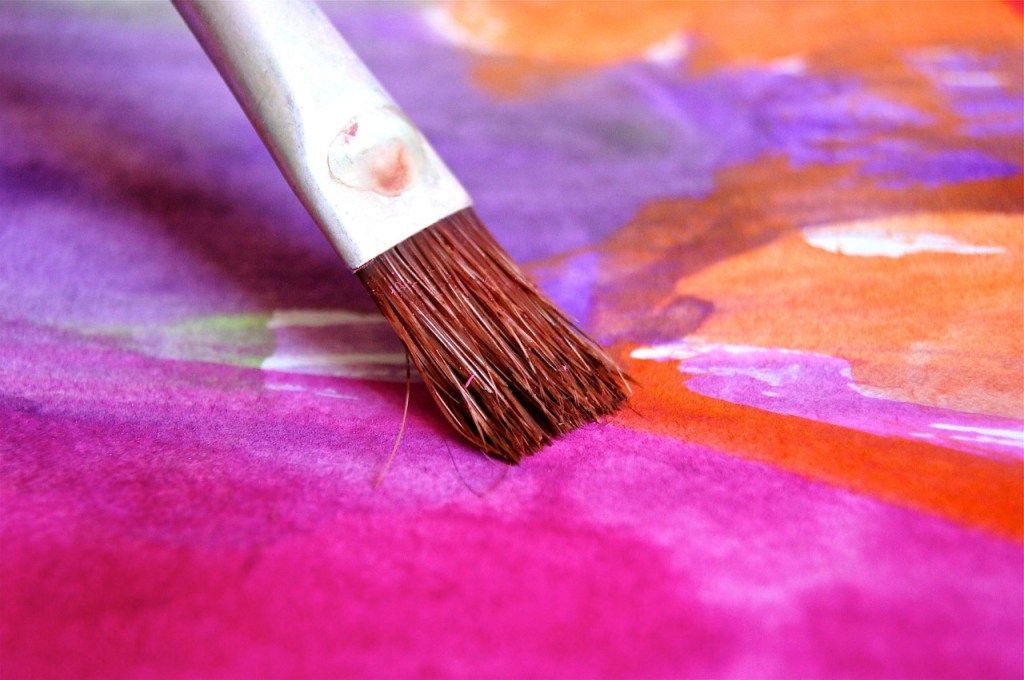
Art appreciation, often perceived as a passive activity, is in fact a profound journey into the realms of emotion, culture, and history. It extends far beyond the mere act of viewing or listening, weaving itself into the very fabric of our understanding and emotional engagement with the world. This journey is not just about acknowledging the beauty or technical expertise embedded in an artwork; it’s an exploration of the deeper layers that lie beneath the visual or auditory surface.
At its core, art appreciation is a dialogue—a conversation not just with the creator of the artwork but with the myriad stories, emotions, and ideas that the work encapsulates. We will delve into how art appreciation transcends mere aesthetics, involving a deeper engagement with the artwork’s emotional, historical, and cultural layers, and how this engagement changes as we grow and evolve.
The Initial Encounter
The initial encounter with a piece of art can be likened to meeting a new person. It’s an introduction where first impressions are formed based on the immediate sensory experiences. In the realm of art, these impressions are drawn from the visual appeal, the play of colors, the fluidity of lines, or the harmony of sounds in a musical piece. This sensory engagement, though superficial, forms the foundational layer of art appreciation.
This stage of interaction is crucial as it sets the tone for further exploration. It’s at this point that we begin to form a connection, albeit a nascent one, with the artwork. Like a new acquaintance whose mannerisms and appearance we initially notice, an artwork’s surface qualities—its style, medium, and initial emotional impact—draw us in. These qualities are the artwork’s way of introducing itself, offering a glimpse into its deeper essence.
However, just as with people, there is much more to an artwork than what meets the eye or ear. The initial visual or auditory appeal is just the beginning of a more profound journey of discovery and understanding.
Deepening the Engagement
As we move beyond the initial encounter with an artwork, our engagement deepens. This phase is akin to getting to know someone better, moving past first impressions to uncover their stories, motivations, and experiences. In the context of art, this means exploring beyond the aesthetic appeal to understand the layers of meaning, historical context, and the artist’s intentions.
This deeper engagement with art is a personal journey, one that is influenced by our own life experiences, emotions, and perspectives. The same piece of art can evoke different reactions and interpretations at different times, depending on our own state of mind and personal growth. A painting that once seemed merely beautiful might later reveal a poignant story or a complex interplay of historical and cultural themes.
It is in this stage that art truly begins to resonate on a personal level. We start to see reflections of our own emotions, challenges, and joys in the artwork. This connection is not just intellectual; it is emotional and visceral. The artwork begins to speak to us in a language that transcends words, communicating through colors, forms, sounds and expressions.
This process of deepening the engagement is not passive. It requires an active effort on our part—a willingness to explore, to question, and to reflect. It’s a journey of discovery where both the artwork and the viewer are active participants in a dialogue of interpretation and meaning.
Reflection of Life and Humanity
Art serves as a powerful mirror, reflecting the multifaceted aspects of life and humanity. Artists, through their creations, often delve into the depths of human experience, capturing emotions, societal norms, and the human condition in ways that words cannot. The works of masters like Rembrandt and Van Gogh exemplify this aspect of art.
Take, for example, Rembrandt’s “The Return of the Prodigal Son.” This piece is more than just a biblical scene; it’s a profound exploration of forgiveness, redemption, and human frailty. Similarly, Van Gogh’s painting of a pair of peasant shoes goes beyond being a simple still life. It’s a contemplation on the hardship and dignity of rural life, imbued with empathy and a deep understanding of the human spirit.
These artworks, and many others like them, teach us that art is not just about visual or auditory representation. It is about connecting with the viewer or listener on a deeper level, often triggering a reflection on personal and societal issues. This reflective quality of art makes it timeless and universal, resonating with people across different cultures and eras.
Art also has the power to critique and challenge societal norms and ideologies. Through subtle symbolism, bold statements, or even through the choice of subjects, artists have historically commented on the political, social, and cultural issues of their times. This aspect of art not only provides historical insights but also encourages contemporary viewers to engage in critical thought about their own societal contexts.
The Evolving Nature
As we journey through life, accumulating experiences and maturing in our understanding, our appreciation of art evolves. This evolution is reflective of the broader changes in our perception of the world. Just as our understanding of life and human relationships deepens and becomes more nuanced with age, so too does our engagement with art.
As we grow older, we often become more aware of the complexities of life, including the influence of market forces, materialistic values, and political ideologies. This awareness can bring a certain cynicism or realism, but it also adds depth to our understanding of art. We begin to recognize the socio-economic and political contexts in which art is created and the ways in which these factors can influence both the creation and reception of art.
This evolving appreciation can lead us to explore artworks that we might have overlooked earlier. We start to value art not just for its aesthetic appeal but for its ability to convey deeper truths about the human experience. The irony here is poignant: while we become more aware of the materialistic and ideological forces shaping art, we also grow to appreciate art’s power to transcend these very forces.
Art, therefore, becomes a tool for understanding and reflecting on our own lives and the society we live in. As our perspective changes, so too does our interaction with art. We may find new meaning in a piece we have seen countless times before, or we might be drawn to entirely different kinds of art than we were in our youth.
Non-Traditional Art Forms
As we expand our understanding of what constitutes art, we begin to recognize and appreciate the value in non-traditional art forms, including crafts, religious symbols, and cultural artifacts. These forms of art, often overlooked in the mainstream art market, possess deep cultural, spiritual, and historical significance.
The beauty and value of these artifacts lie not just in their aesthetic appeal but in their ability to convey stories, traditions, and beliefs of the communities and civilizations from which they originate. These pieces often carry a functional aspect, seamlessly blending utility and aesthetics, and serve as embodiments of the culture and craftsmanship of their creators.
This broader view of art challenges the conventional market-driven definitions of art and opens up a world of diverse human expressions and creations. It allows us to see the richness and diversity of human creativity in a more inclusive and holistic way. Art, in this sense, is not confined to what is traditionally showcased in galleries and museums but is found in the everyday objects and symbols that define and narrate human life and history.
By embracing these often-overlooked art forms, we gain a deeper appreciation for the interconnectedness of all artistic expressions and the universal nature of the human impulse to create and communicate through art.
The Web Analogy
The transformation of art appreciation into an active, creative process can be analogized to the evolution of the internet from Web 1.0 to Web 2.0, and now towards Web 3.0. Just as the web has evolved from a static information repository to an interactive and user-driven platform, so too has the approach to art appreciation shifted from passive observation to active engagement.
In the early days of the internet (Web 1.0), users were primarily consumers of content. Similarly, traditional art appreciation often involved a one-way interaction where the viewer passively observed and interpreted the artwork based on established norms and criteria. However, with the advent of Web 2.0, the internet became more interactive, allowing users to contribute content, share opinions, and engage in dialogues. This shift mirrors the evolution in art appreciation, where the viewer is now seen as an active participant, bringing their own experiences and interpretations to the artwork, much like how users contribute to the content and dynamics of the internet.
The concept of Web 3.0, with its emphasis on decentralization, personalization, and intelligent, adaptive content, further parallels the modern approach to art appreciation. In this new paradigm, each individual’s interaction with art is unique and contributes to the ever-evolving meaning of the artwork. The viewer, much like a user navigating the personalized and interconnected web of Web 3.0, plays a critical role in shaping the artistic experience. Their interpretation is not just a passive reception of what is presented but an active, creative act that adds to the artwork’s multifaceted narrative.
Thus, viewing art appreciation as an artistic act in the context of the web’s evolution underscores the dynamic, participatory, and co-creative nature of engaging with art in the modern era. This perspective encourages us to see art not as a static entity to be passively consumed but as a living, evolving conversation in which everyone has the potential to be both a creator and an interpreter.
Embracing Interactivity and Co-creation
Drawing from the analogy of the web’s evolution, the role of art appreciation in education and society can be seen as moving towards greater interactivity and co-creation, much like the shift from Web 1.0 to Web 2.0 and 3.0.
In the realm of education, this transition could lead to a shift from traditional, didactic teaching methods towards more interactive, experiential learning models. Just as Web 2.0 revolutionized the internet by making it user-generated and interactive, art education can be transformed to encourage active participation and personal expression. Students could engage with art not just as distant observers but as active participants, contributing their interpretations and creating their own artworks in response to what they see and learn.
Moreover, the concept of Web 3.0, with its focus on decentralization and user-driven content, offers a parallel for a more inclusive and diverse approach to art education. This could involve exploring a wider array of artistic expressions, including those from marginalized or underrepresented cultures, and using technology to create a more personalized and adaptive learning environment.
In the broader societal context, these changes can democratize the experience of art. Public art initiatives, community workshops, and accessible art platforms can invite people from all walks of life to engage with art, contribute their perspectives, and co-create the artistic narrative. This approach can help break down the barriers that often make art seem inaccessible or elitist, fostering a more inclusive and diverse art landscape.
Furthermore, by embracing interactive technologies, such as virtual reality and digital media, the appreciation and creation of art can become more accessible and widespread. These technologies can bridge geographical and cultural divides, allowing people from different parts of the world to experience and contribute to the global art dialogue.
In this way, embracing interactivity and co-creation in art appreciation can lead to a more dynamic, inclusive, and participatory culture of art in education and society. It encourages a deeper connection with art, fostering creativity, empathy, and understanding across diverse communities.
The Transformative Journey
Our exploration of art appreciation has revealed it to be a transformative journey, one that parallels the dynamic and evolving nature of human interaction in the digital age. Much like the web, which has grown from a static medium into a rich interaction and co-creation, art appreciation has transcended its traditional boundaries to become a more inclusive, participatory, and dynamic experience.
This journey begins with the initial encounter with art, akin to meeting a new person, where first impressions and sensory experiences lay the groundwork for deeper engagement. As we delve into the layers of meaning, context, and emotion that art offers, our appreciation becomes a reflection of our own life experiences, evolving and deepening with time.
Recognizing the value in a diverse range of art forms, including those outside the conventional market-driven arena, broadens our understanding of creativity and human expression. It challenges us to see art in everyday objects and cultural artifacts, fostering a more holistic and inclusive perspective.
The idea that art appreciation itself can be an act of creation, as dynamic and subjective as the creation of the artwork, democratizes the experience of art. It empowers each individual to be a co-creator in the artistic process, actively shaping the meaning and experience of art. This perspective not only makes art more accessible but also enriches the artistic experience with a multitude of interpretations and personal connections.
In educational and societal contexts, adopting interactive and co-creative approaches to art can lead to a more inclusive, empathetic, and creative community. It encourages us to view the world and each other through a lens of appreciation and understanding, fostering a culture that values diversity and personal expression.
Let’s embark on our own journey of art appreciation, to view it not just as a passive observation but as an active, creative, and transformative process. It’s a journey that not only deepens our understanding and enjoyment of art but also enriches our lives, encouraging us to see beauty, meaning, and connection in the world around us. In embracing this journey, we open ourselves to the endless possibilities of human creativity and the profound impact it can have on our personal and collective experiences.
Image by Uwe Baumann
 Tom’s Blog