
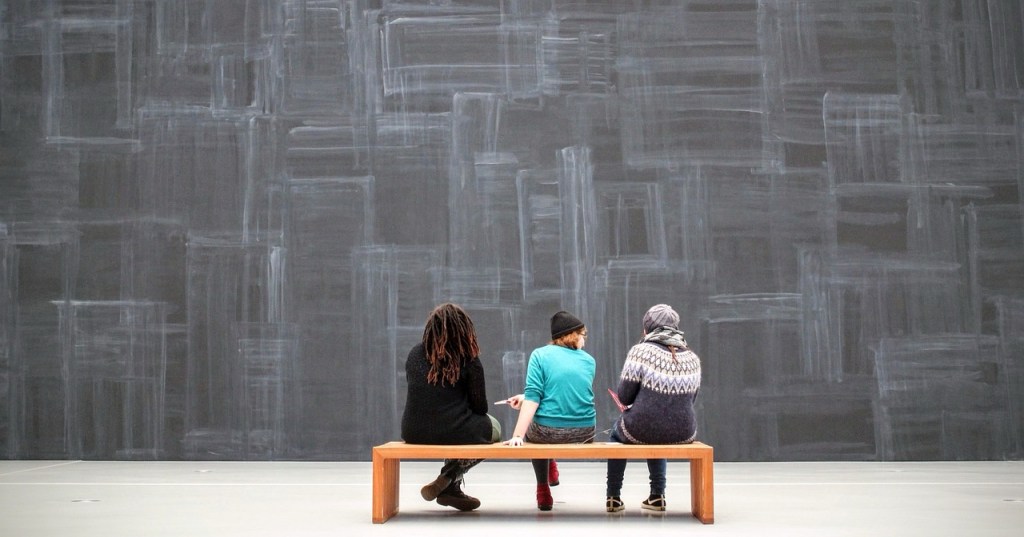
The realm of art, with its myriad forms and expressions, presents a fascinating paradox that captivates both the casual observer and the seasoned art aficionado. At its core, art embodies a dual nature: on one side, it is a complex tapestry woven from historical, cultural, and philosophical threads, requiring thoughtful analysis and intellectual engagement.
On the other side, art resonates on a profoundly emotional and visceral level, often eliciting immediate and unfiltered responses from its beholders. Let’s explore and understand this intriguing paradox.
By examining various perspectives on art appreciation, the role of creativity, the unique context of religious art, and the concept of art as an emergent phenomenon, we seek to unravel how art can be both a journey through complexity and a destination of simplicity. In doing so, we delve into the heart of what makes art an enduring and essential facet of human experience.
The Multifaceted Nature of Art Appreciation
Art appreciation is an intricate dance between intellect and emotion, a blend of analytical understanding and sensory reaction. This duality forms the cornerstone of our experience with art.
On one level, appreciating art is an intellectual pursuit. It involves delving into the artwork’s historical context, understanding the cultural milieu in which it was created, and deciphering the symbolism and motifs embedded within. This analytical approach allows us to grasp the artist’s intent, the artwork’s place in the broader narrative of art history, and its cultural significance. For instance, when we view a Renaissance painting, we don’t merely see colors and figures; we also interpret the symbolism, recognize the influences of its time, and appreciate the technical mastery.
In stark contrast to this intellectual engagement is the immediate, emotional response that art often invokes. Before the mind has time to analyze, the heart reacts. A piece of music, a sculpture, or a painting can evoke a range of emotions, from joy and awe to sadness and introspection. This aspect of art appreciation is deeply personal and subjective, rooted in the individual’s experiences, feelings, and perceptions. It’s this emotional resonance that often draws people to art in the first place and remains a key factor in the enduring appeal of certain works.
The multifaceted nature of art appreciation highlights the complexity of the art experience. It’s a synthesis of thought and feeling, analysis and instinct. As we navigate through the layers of understanding art, we constantly move between these two poles, enriching our experience and deepening our connection to the artwork.
The Role of Creativity in Art
Creativity in art is a multifaceted concept, encompassing various dimensions from the individual artist’s vision to the broader socio-cultural influences. This diversity in the sources and expressions of creativity adds depth and complexity to the art world.
At the heart of art lies the creativity of the individual artist. This is where personal vision, originality, and innovation come into play. Artists infuse their works with their unique perspectives, experiences, and skills, creating something that did not exist before. Their creativity is often seen as a mark of their genius, a testament to their ability to see the world in a new light and to express this vision through their art. This aspect of creativity is celebrated in Western art traditions, where individual expression and novelty are highly valued.
However, an artist’s creativity does not exist in a vacuum. It is deeply influenced by their socio-cultural environment. The traditions, norms, values, and historical context of the society in which an artist lives play a crucial role in shaping their creative output. Artistic movements, cultural trends, and even political and economic factors can influence the direction and nature of an artist’s work. This perspective recognizes that creativity is also a collective process, emerging from the artist’s engagement with their cultural milieu.
In contemporary times, the art market has also become a significant factor in defining creativity. The market can influence what is considered creative or valuable, often shaping artistic trends and dictating the popularity of certain styles or themes. This commercial aspect of art introduces another dimension to creativity, where market appeal and artistic innovation intersect.
Lastly, the creativity of art can also be seen in the subjective experience of the viewer. Each individual brings their interpretation and emotional response to an artwork, creating a personal connection that is unique. In this sense, the creativity of art lies not only in its creation but also in its reception. The interaction between the artwork and its audience becomes a dynamic space where new meanings and experiences emerge.
Creativity in art is a dynamic and complex phenomenon. It encompasses the individual creativity of the artist, the influence of socio-cultural factors, the impact of the art market, and the subjective experience of the viewer. This rich tapestry of influences makes creativity in art an ever-evolving and endlessly fascinating concept.
Art in the Context of Religion and Anonymity
The context of religious art offers a distinct perspective on creativity, often characterized by a blend of anonymity and deep spiritual significance. This aspect of art highlights a different kind of creativity, rooted in tradition, devotion, and the expression of faith.
Unlike the Western tradition of celebrating individual artists, much religious art is created anonymously. This anonymity stems from a focus on the divine or spiritual message rather than personal recognition. In creating religious art, the artist often acts as a vessel for spiritual truths, channeling a collective religious experience rather than asserting individual creative identity. This approach underscores the belief that the essence of the art lies in its ability to convey sacred narratives and ideals, not in the fame of its creator.
In religious contexts, creativity is often seen as an act of devotion and a means of connecting with the divine. The creative process is imbued with spiritual significance, serving as a form of worship or meditation. For example, the intricate patterns of Islamic calligraphy or the meditative process of creating a Tibetan mandala are not just artistic endeavors but also spiritual practices. The creativity here lies in the artist’s ability to imbue the work with spiritual power and resonance.
While religious art is often bound by tradition, there is room for creativity within these constraints. Artists find ways to express profound religious concepts while adhering to established iconographic norms. The subtle nuances, the craftsmanship, and the emotional depth they bring to traditional motifs represent a form of creative expression that respects and revitalizes ancient traditions.
In religious art, the viewer also plays a crucial role. The contemplation of religious art can be a transformative experience, where the viewer engages with the work on a spiritual level. This interaction can be a creative act in itself, as the viewer finds personal meaning and spiritual connection in the artwork.
The creativity evident in religious art is of a different nature than what is typically highlighted in secular contexts. It’s a creativity that prioritizes spiritual expression, tradition, and collective experience over individualism and novelty. This perspective adds another layer to our understanding of what constitutes creativity in art, showcasing the diverse ways in which human creativity can manifest.
Art as an Emergent Phenomenon
Viewing art as an emergent phenomenon offers a holistic understanding of its nature, recognizing it as a result of complex interactions and developments across human history and culture. This perspective provides a lens through which the multifaceted nature of creativity in art can be appreciated.
Art emerges from a rich tapestry of historical events, cultural practices, and social changes. Each artistic creation is a culmination of various influences: the artist’s personal history, the prevalent artistic trends of the time, technological advancements, and the socio-political context. For instance, the Renaissance period’s artistic explosion was not just a result of individual geniuses but also a reflection of broader cultural shifts, technological innovations, and intellectual developments of the era.
Art evolves as a dynamic and continuous process, with new styles and ideas emerging from the foundations laid by previous artists and movements. This evolutionary process is marked by both continuity and change, as artists innovate within or react against existing artistic paradigms. The progression from realism to impressionism to abstract art exemplifies this evolving nature of art, where each movement emerges as a response to and an extension of what came before.
The relationship between the artist and their society is a key factor in the emergence of new artistic forms and expressions. Artists both shape and are shaped by their cultural environment, creating a feedback loop where art influences society, and society influences art. This interplay is a driving force behind the emergence of art that resonates with contemporary themes and concerns.
Ultimately, art is a reflection of the complexity of the human condition. It captures and communicates the depth and diversity of human emotions, thoughts, and experiences. This complexity is what makes art so varied, so rich in meaning, and so open to different interpretations. Art, in its essence, is an emergent property of human creativity, a phenomenon that is greater than the sum of its individual parts.
The Simplicity Within Complexity
The paradox of art lies in its ability to be both staggeringly complex and beautifully simple at the same time. This duality is at the heart of our relationship with art and is key to understanding its enduring appeal.
As we’ve explored, art is steeped in complexity. It is shaped by historical contexts, cultural influences, philosophical ideas, and the unique vision of each artist. This complexity invites us to engage with art on an intellectual level, to analyze and understand the myriad layers that contribute to its creation and significance. For example, understanding the political context of Picasso’s “Guernica” adds layers of meaning to the painting, enhancing our appreciation of its depth and significance.
Yet, within this complexity, there lies a simplicity that is fundamental to the human experience of art. This simplicity is found in the immediate, emotional connection that art can forge. It transcends intellectual analysis and speaks directly to our emotions, our senses, and our shared humanity. This direct emotional engagement is what often draws people to a piece of art in the first place and can be as simple as the joy sparked by a vibrant color or the peace evoked by a serene landscape.
The beauty of art lies in this paradoxical coexistence of complexity and simplicity. It allows art to be accessible on different levels to different people, offering a multitude of ways to engage with and appreciate it. Whether we find ourselves deep in analytical thought or lost in emotional reverie, art provides a space for both experiences to coexist and enrich each other.
Embracing the paradox of art means acknowledging that art can be both a challenging intellectual puzzle and a source of simple, pure emotional reaction. This duality is what makes art so universally powerful and personally resonant.
The Paradox of Art
This exploration into the world of art and creativity has led us through a landscape marked by intellectual rigor and emotional resonance, a terrain where complexity and simplicity coexist in harmonious contradiction. We’ve seen how art is not a singular phenomenon but a multifaceted experience shaped by historical contexts, cultural influences, individual creativity, and deep-seated emotional responses.
Art’s true beauty lies in this very paradox. It challenges us to think, to analyze, to contextualize, and yet, in the same breath, it invites us to feel, to react, and to connect on a profoundly personal level. Art is a mirror of our complex human nature, reflecting our capacity for deep intellectual thought and our innate need for emotional expression.
In embracing the paradox of art, we open ourselves to a richer, more nuanced appreciation of its value. We understand that art is not just an object of aesthetic admiration but a conduit for human experience, a bridge between the tangible and the ineffable, the known and the mysterious, the self and the other. It is in this space, within the interplay of complexity and simplicity, that art finds its truest expression and its most enduring impact.
Image by Peggy und Marco Lachmann-Anke
 Tom’s Blog