
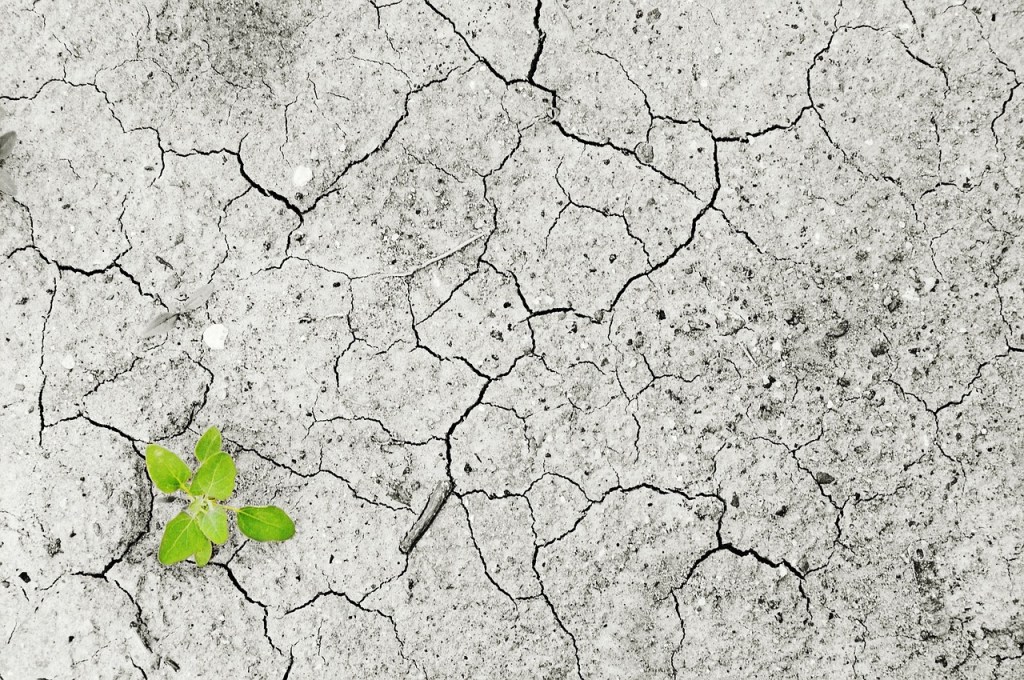
We’re extremely hungry. Even though we live in a time of abundance, there are still many people who find themselves in desperate situations like this: Despite some progress in recent decades, starvation is still a harsh reality that affects the world as a whole.
Let’s look at some numbers: around 14 million children suffer from severe acute malnutrition, and a shocking 45% of child deaths worldwide can be attributed to hunger and related problems. Additionally, every day, 700 innocent lives are lost due to illnesses caused by dirty water and unsanitary living conditions. These ailments, although indirectly, can be linked to poverty and the lack of food security.
However, when we look at things from another perspective, it becomes painfully clear that we live in a world of abundance thanks to modern technology. But upon closer inspection, it reveals itself to be a world of waste and excess.
It’s astonishing to learn that a whopping 30% of food is wasted or lost globally each year. This is a significant figure that has profound implications, especially considering the countless people who continue to suffer from hunger. This wastage not only highlights inefficiency but also raises concerns about fairness and social justice.
To understand this issue better, let’s consider that approximately one-third of all food produced, which amounts to around 2.5 billion tons, is recklessly wasted or lost every year. Most of this senseless loss happens during the production stage of food, which further intensifies the tragedy.
The amount of wasted food, which is valued at a staggering $230 billion, adds to the seriousness of the problem. Unfortunately, projections indicate that global food waste will increase by another third by 2030, which is a distressing prediction for our collective future.
The world has abundant food resources, so the real challenge lies in the complex system and societal barriers that prevent its fair distribution. Due to the progress we have made from the twentieth to the twenty-first century, there is still reason to be hopeful and optimistic. We have confronted numerous injustices and human rights violations, but our work must continue, and we must face these challenges together.
Interestingly, a peculiar paradox emerges: starvation and abundance, two seemingly contradictory forces, constantly intertwine. The existence of one can be attributed to the other. But what does this intriguing dance truly signify?
As technology advances rapidly, we find ourselves living in a time of unprecedented global prosperity. However, does this newfound abundance truly bring us happiness? The answer is far from a definite yes. In reality, we are trapped in the same enchantment that once ensnared the legendary King Midas.
Let me tell you the story of King Midas from Greek mythology. It is said that this royal figure was granted a fateful wish by the god Dionysus: everything he touched would turn into solid gold. Initially, one can imagine the joy Midas felt, the excitement in his eyes. But, as often happens, his great desire quickly turned into a nightmarish curse.
In a tragic twist of fate, his beloved daughter fell victim to the golden touch, becoming lifeless and imprisoned in a golden sheen. Overwhelmed by despair, Midas begged Dionysus to take back his ill-fated wish. In a final act of redemption, Midas found salvation in the river Pactolus. He immersed himself in its cool waters, freeing himself from the curse of gold.
In a world where half the population suffers from physical hunger, the other half, living in luxurious enclaves, experiences a different kind of starvation. They, too, suffer, but their hunger arises from an overwhelming abundance—a hunger that gnaws at them, whether they realize it or not.
At first glance, we might consider ourselves fortunate, enjoying the comforts of our prosperous lives. However, as we relentlessly chase after happiness, we come face to face with an unsettling truth: we can never truly be content. We possess the incredible power of the golden touch, similar to King Midas, but the tragedy lies in our inability to hold onto anything beyond material wealth. Just like Midas’ daughter was turned into a lifeless statue of gold, our own existence has become coated in a shimmering illusion of brightness and pleasure.
We are trapped in a desperate hunger, unable to find anything genuine or truthful to touch, hold, or experience. Despite the tempting appearances of everything around us, it is all superficial and fails to satisfy our longing for something real.
In the midst of the bustling city, we feel trapped in a state of starvation, like castaways stranded on a small boat in the vast ocean. Despite being surrounded by water, we remain thirsty, unable to quench our desperate need for hydration. Strangely enough, the more we try to drink, the more our thirst grows, creating a frustrating cycle that torments us.
But what kind of starvation is this, you might wonder?
Let me call it spiritual hunger. Everywhere we look, we witness everything around us transforming into a false and artificial illusion, sweetened and coated in a sugary facade. We can touch and indulge in its surface charm, but the more we delve into its attractiveness, the farther we drift away from what is authentic and real.
So, where does truth reside in this scenario? It calls upon us to break free from the spell of the golden touch, to remove the layers of sugar coating that conceal its essence. Only through this brave act can we catch a glimpse of the naked reality that lies beneath, where we confront the unadorned truth—that we are not lost on a vessel in the vast ocean, but rather, we find solace in the embrace of the Son, nestled within the comforting presence of the Lord.
No man hath seen God at any time; the only begotten Son, which is in the bosom of the Father, he hath declared him.
John 1:18
When we are born, we have nothing, and when we leave this world, we take nothing with us, regardless of whether we are rich or poor. It is not surprising, then, that no amount of captivating wealth can ever satisfy the hunger within us. The undeniable truth, which remains constant, is not found in our material possessions but in something beyond them—a spiritual realm that nurtures our souls and enables us to connect with the true essence of authenticity.
For we brought nothing into this world, and it is certain we can carry nothing out.
1 Timothy 6:7
 Tom’s Blog